
Homeowners in high-risk coastal regions face a complex insurance landscape where standard policies often exclude wind damage. According to the Insurance Information Institute, a myriad of different programs across the United States provide insurance to owners of property in high-risk areas who may have difficulty obtaining coverage from the standard insurance market. This reality forces residents to choose between residual market mechanisms and private commercial carriers. Understanding the structural and financial distinctions between these options is critical for protecting your most significant asset against tropical cyclones and severe weather events. (Facts Statistics Homeowners) (Home Flood amp Windstorm)
Understanding the Basics of Wind Coverage
Windstorm insurance is a specialized form of property protection designed to cover damage caused by high winds, hail, and associated debris. In many coastal states, standard homeowners insurance policies explicitly exclude wind damage due to the catastrophic potential of hurricanes and tropical storms. This exclusion creates a gap in financial protection that requires specific intervention.
Windstorm insurance is a specialized policy or endorsement that covers structural and personal property damage resulting from high-velocity winds. Without this coverage, a single storm can result in total financial ruin for homeowners who assumed they were protected. The complexity arises because the availability of this coverage depends heavily on geographic location and the health of the broader insurance market. (Wind Fire Water)
The Role of State-Run Insurance Pools
State-run insurance pools, often referred to as residual markets, serve as the insurer of last resort. These entities are established by state legislatures to ensure that property owners in high-risk areas can obtain coverage when the private market withdraws. Examples include the Texas Windstorm Insurance Association (TWIA) and similar entities in Florida and Louisiana. (Wind Fire Water)
These pools operate differently from commercial insurers. They do not seek profit but rather aim to provide basic coverage at regulated rates. However, this model has limitations. According to the Office of Financial Research, limited reinsurance availability will hinder primary insurance availability, especially for higher-risk coverages where primary insurers often rely heavily on reinsurance. This dynamic often leaves state pools undercapitalized during major loss years, leading to potential solvency concerns.
State-run pools typically offer lower premiums because they are exempt from certain state taxes and fees that burden private carriers. They also have standardized coverage forms, which simplifies the purchasing process. However, this standardization means less flexibility. Policyholders cannot customize deductibles or coverage limits to the same degree as they might with a private carrier. Furthermore, the claims process in state pools can be slower due to bureaucratic oversight and limited administrative resources compared to large private insurers.
Private Market Windstorm Dynamics
Private market windstorm coverage is provided by commercial insurance companies that operate for profit. These carriers assess risk individually and price policies based on specific property characteristics, such as construction type, age, and proximity to the coast. The private market offers greater flexibility and often more comprehensive coverage options. (Windstorm and Hail)
Private windstorm insurance is a commercially underwritten policy that allows for customized coverage limits, deductibles, and endorsements tailored to individual property needs. This flexibility is a significant advantage for homeowners with unique architectural features or high-value contents. Private carriers also invest heavily in risk mitigation services, offering discounts for homes that meet specific wind-resistant construction standards.
However, the private market is volatile. During periods of high loss activity, such as consecutive hurricane seasons, private insurers may raise premiums significantly or withdraw from certain markets entirely. This volatility is driven by the cost of reinsurance. When reinsurance becomes expensive or unavailable, private carriers pass those costs on to consumers. Despite this, private carriers generally offer faster claims processing and more robust customer service infrastructure.
Comparative Analysis: Cost, Coverage, and Claims
Choosing between a state pool and a private carrier requires a detailed evaluation of cost versus coverage quality. The following table summarizes the key differences.
| Feature | State-Run Insurance Pool | Private Market Carrier |
|---|---|---|
| Premium Cost | Generally lower due to tax exemptions and non-profit status. | Higher, reflecting risk assessment and profit margins. |
| Coverage Flexibility | Standardized forms with limited customization options. | Highly customizable with various deductibles and limits. |
| Claims Processing | Can be slower due to bureaucratic processes. | Typically faster with dedicated adjuster networks. |
| Financial Stability | Dependent on state backing and reinsurance markets. | Dependent on carrier solvency and reinsurance contracts. |
| Eligibility | Available to all properties in designated zones. | Subject to underwriting guidelines and risk selection. |
Cost is often the primary driver for choosing a state pool. However, the total cost of ownership includes deductibles and out-of-pocket expenses. State pools often have high flat-rate deductibles for wind damage, which can be thousands of dollars. Private carriers may offer percentage-based deductibles, which can be more manageable for smaller claims but more expensive for catastrophic events.
Coverage limits also differ significantly. State pools often have maximum coverage caps that may be insufficient for high-value coastal properties. Private carriers can provide higher limits, ensuring that the full replacement cost of the home is covered. This distinction is crucial for homeowners in luxury markets or areas with high construction costs.
Making the Right Choice for Your Home
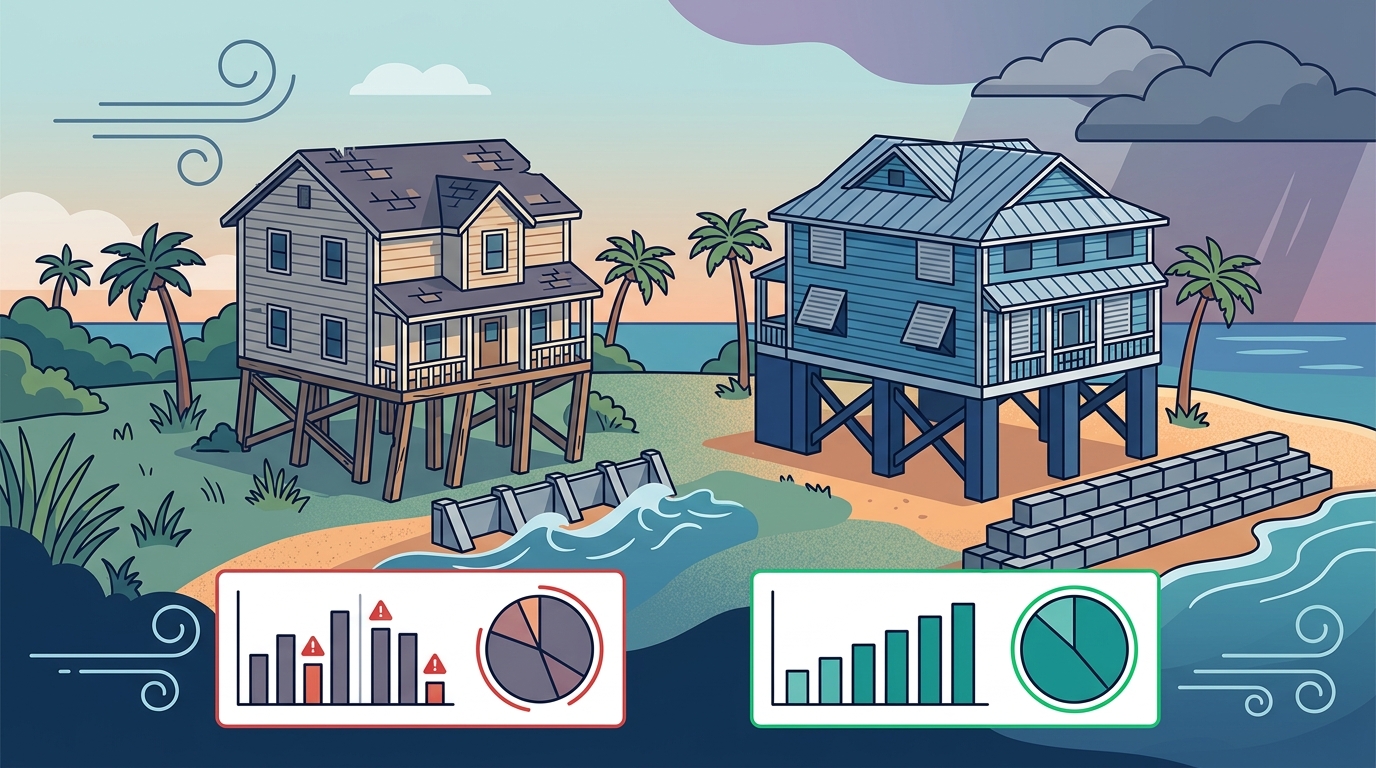
The decision between state-run pools and private coverage depends on your specific situation. If you are in a high-risk zone and private carriers are unavailable or prohibitively expensive, a state pool may be your only option. However, if private coverage is available, it is often worth the additional cost for the peace of mind and comprehensive protection it offers.
Consulting with a local insurance expert is essential. Agents who specialize in coastal insurance can help you navigate the complexities of both markets. They can provide quotes from multiple carriers and explain the nuances of each policy. For residents in Texas City and surrounding areas, understanding the local regulatory environment is key. You can explore home insurance options tailored to your specific needs. (Facts Statistics Homeowners)
Additionally, consider the long-term stability of your coverage. State pools are subject to legislative changes that can affect premiums and coverage terms. Private carriers, while volatile, offer more predictable policy terms over the life of the contract. It is also wise to review your flood insurance needs separately, as wind and flood damage are distinct perils.
Key Takeaways
- State-run pools act as insurers of last resort, providing basic coverage when the private market withdraws.
- Private windstorm insurance offers greater flexibility in coverage limits and deductibles compared to standardized pool policies.
- Premiums in state pools are generally lower due to tax exemptions, but deductibles can be significantly higher.
- Claims processing in private markets is typically faster and more customer-centric than in state-run bureaucracies.
- Financial stability in state pools is linked to reinsurance availability, which can be constrained during major loss years.
- Private carriers may withdraw from high-risk markets, making state pools a necessary fallback for many homeowners.
- Professional guidance is crucial for navigating the complex landscape of coastal insurance regulations.
Frequently Asked Questions
What is the main difference between state-run pools and private windstorm coverage?
The main difference is that state-run pools are non-profit entities that provide basic, standardized coverage as a last resort, while private carriers offer customizable, comprehensive policies for profit.
Are state-run insurance pools always cheaper than private insurance?
While premiums are often lower in state pools due to tax exemptions, the total cost may be higher due to larger deductibles and lower coverage limits.
Can I switch from a state pool to a private carrier?
Yes, if private carriers are available in your area and willing to underwrite your property. It is important to ensure there is no gap in coverage during the transition.
What happens if a state-run pool becomes insolvent?
State pools are typically backed by the state government, which may issue bonds or raise premiums to cover losses. However, this process can take time and result in significant cost increases for policyholders.
Does private windstorm insurance cover flood damage?
No, windstorm insurance does not cover flood damage. You need a separate flood insurance policy, which is often provided by the National Flood Insurance Program (NFIP) or private flood insurers.
How do deductibles work in windstorm insurance?
Deductibles can be a flat dollar amount or a percentage of the home's insured value. State pools often use flat deductibles, while private carriers may offer percentage-based options.
Why is windstorm coverage so expensive in coastal areas?
High risk of catastrophic loss, expensive reinsurance costs, and regulatory requirements contribute to the high cost of windstorm insurance in coastal regions.
Secure Your Protection Today
Do not wait for the next storm to assess your insurance needs. Whether you need a quote for a state pool or a private carrier, expert guidance can help you find the right balance of cost and coverage. Contact us to schedule a free consultation and secure your home's future.