
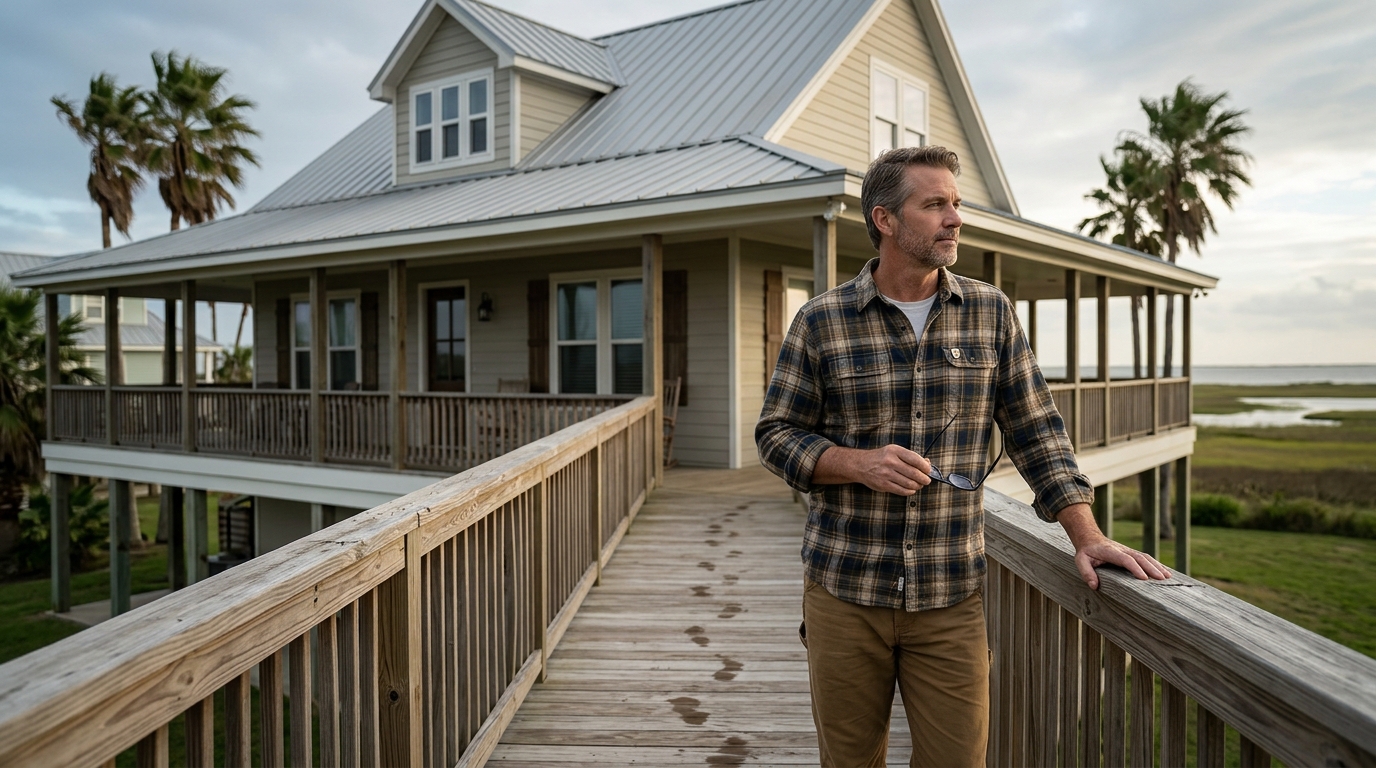
Homeowners in high-risk coastal regions face a complex insurance landscape where standard policies often exclude wind damage. According to recent industry data, the availability of primary insurance is increasingly hindered by limited reinsurance, forcing many property owners to seek alternative coverage models. This shift has created a bifurcated market consisting of state-run residual markets and private commercial insurers. Understanding the structural and financial differences between these two options is critical for protecting your asset against severe weather events. (Facts Statistics Homeowners)
Understanding the Insurance Market Shift
The property insurance industry is undergoing significant changes due to rising climate risks and economic pressures. Limited reinsurance availability will hinder primary insurance availability, especially for higher-risk coverages where primary insurers often rely heavily on reinsurance. This reality means that traditional carriers are pulling back from high-risk zones, leaving a gap in the market that must be filled by either government-backed entities or specialized private insurers. (Wind Fire Water)
For homeowners in Texas City and surrounding coastal areas, this means that obtaining comprehensive windstorm coverage is no longer automatic. You must actively evaluate whether to remain in the private market or transition to a state-run pool. The decision impacts your premium costs, the scope of your coverage, and the speed of your claims process. (Windstorm and Hail)
What Are State-Run Insurance Pools?
State-run insurance pools, often referred to as residual markets or FAIR plans, are designed to provide coverage to property owners who cannot obtain insurance in the standard private market. These entities are typically created by state legislatures to ensure that basic property insurance remains available to all residents, regardless of risk level. (Facts Statistics Homeowners)
Residual, shared or involuntary market programs make basic insurance coverage more readily available. These programs include Fair Access to Insurance Requirements (FAIR) plans, beach and windstorm plans, and state-run insurance companies in high-risk states like Florida and Louisiana. In Texas, the Texas Windstorm Insurance Association (TWIA) serves as the primary residual market for windstorm and hail coverage along the coast.
State-run pools operate differently from private insurers. They are not-for-profit entities that focus on stability rather than profit margins. Their primary goal is to maintain solvency and provide coverage when the private market withdraws. However, this model often comes with limitations. Policies may exclude certain types of damage, such as flood or earthquake, requiring separate policies. Additionally, state-run pools often have stricter building code requirements to qualify for coverage.
Private Market Windstorm Coverage
Private market windstorm coverage is offered by commercial insurance companies that operate for profit. These insurers assess risk based on actuarial data and charge premiums that reflect the specific risk profile of the property. Unlike state-run pools, private insurers have more flexibility in designing policy terms and can offer broader coverage options.
Private insurers often provide comprehensive packages that include windstorm, hail, fire, and liability coverage in a single policy. This bundling can simplify management for homeowners. However, the cost of private windstorm coverage can be significantly higher, especially in high-risk zones. Insurers may also require extensive documentation of home improvements and structural reinforcements to reduce premiums.
Another critical factor is the financial stability of the private insurer. While private companies are regulated, they are subject to market forces that can lead to sudden rate hikes or non-renewal of policies. Homeowners must monitor their insurer’s financial health and be prepared to switch providers if necessary. For those seeking reliable windstorm insurance, working with an experienced agent can help navigate these complexities.
Key Differences: Cost, Coverage, and Claims
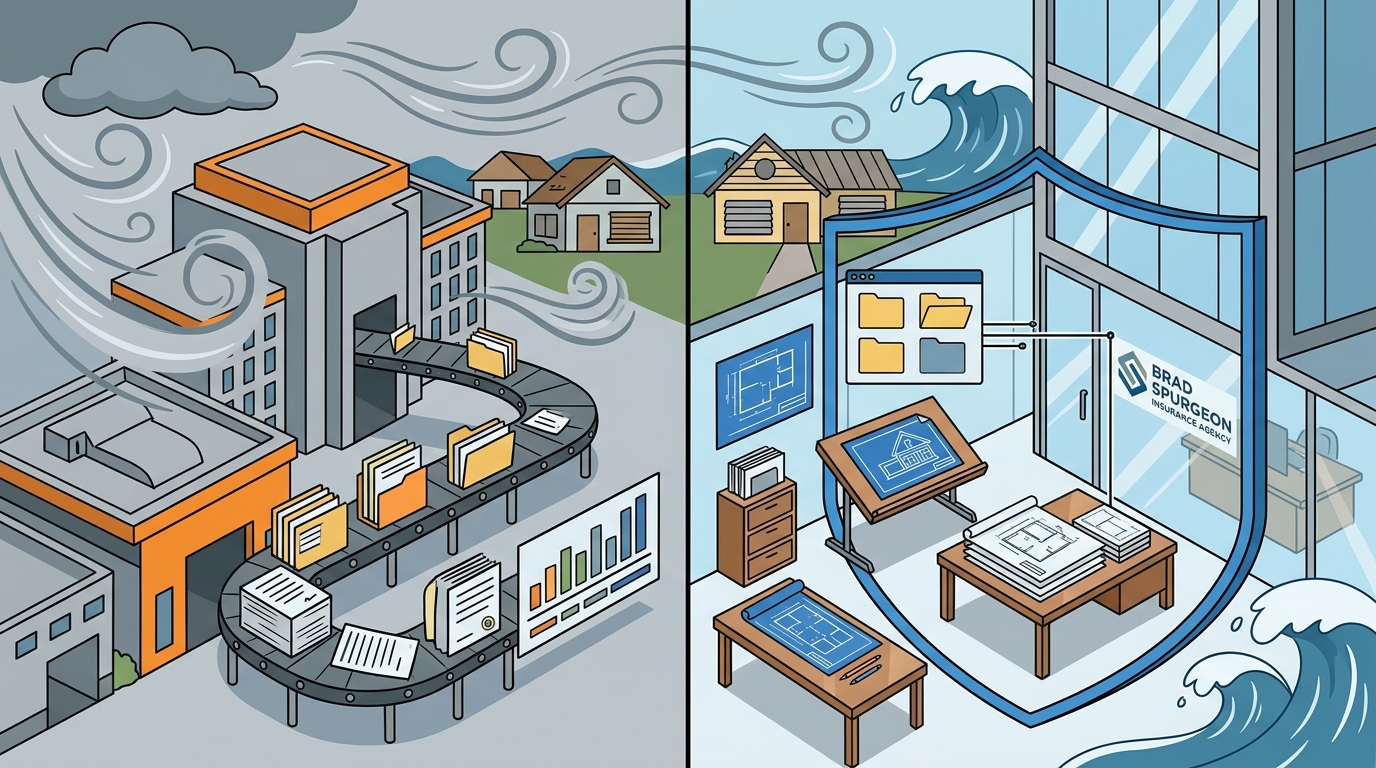
Comparing state-run pools and private market coverage requires looking at several key dimensions. The following table summarizes the primary distinctions.
| Feature | State-Run Pools | Private Market Coverage |
|---|---|---|
| Premium Cost | Often lower base premiums but subject to surcharges and fees. | Higher premiums due to risk-based pricing and profit margins. |
| Coverage Scope | Typically limited to wind and hail; excludes other perils. | Comprehensive packages including fire, theft, and liability. |
| Eligibility | Available to all qualifying properties in designated zones. | Subject to underwriting guidelines and risk assessment. |
| Claims Process | Can be slower due to bureaucratic processes. | Varies by insurer; often more streamlined and customer-focused. |
| Building Codes | Strict adherence to current building codes is mandatory. | More flexible, with discounts for upgrades. |
Cost is often the deciding factor for homeowners. State-run pools may offer lower initial premiums, but they often impose additional fees and surcharges that can increase the total cost. Private insurers, while more expensive upfront, may offer discounts for bundling policies or implementing risk mitigation measures.
Coverage scope is another critical difference. State-run pools typically focus solely on wind and hail damage. Homeowners must purchase separate policies for flood, fire, and other perils. Private insurers often provide bundled policies that cover multiple risks, simplifying the insurance process. For those needing flood insurance, private markets often offer more tailored options.
How to Choose the Right Coverage
Selecting between state-run pools and private market coverage depends on your specific situation. If you live in a high-risk coastal area and cannot find affordable private coverage, a state-run pool may be your only option. However, if you have a well-maintained home and qualify for private coverage, you may benefit from broader protection and potentially better customer service.
Consider consulting with a licensed insurance agent who specializes in coastal properties. They can help you compare quotes from multiple carriers and explain the nuances of each policy. A free consultation can provide clarity on which option best fits your needs and budget. Additionally, reviewing your policy review annually ensures that your coverage remains adequate as your home and the insurance market evolve.
Key Takeaways
- State-run pools serve as a safety net for homeowners unable to secure private coverage.
- Private market coverage offers broader protection but often at a higher cost.
- Building code compliance is strictly enforced by state-run pools to mitigate risk.
- Bundling policies with private insurers can simplify management and reduce overall costs.
- Claims processing times can vary significantly between state-run and private entities.
- Regular policy reviews are essential to ensure adequate coverage in a changing market.
- Working with a local agent provides access to multiple carrier options and expert advice.
Frequently Asked Questions
What is the main difference between state-run pools and private insurers?
State-run pools are non-profit entities designed to provide coverage in high-risk areas where private insurers may withdraw. Private insurers are for-profit companies that assess risk and price policies accordingly, often offering broader coverage options.
Do state-run pools cover flood damage?
No, state-run windstorm pools typically exclude flood damage. Homeowners must purchase separate flood insurance, often through the National Flood Insurance Program or private flood insurers.
How do I know if I qualify for state-run windstorm insurance?
Eligibility is usually based on geographic location. Properties located within designated coastal zones are typically eligible for state-run windstorm insurance. You can verify your eligibility by contacting the specific pool in your state.
Can I switch from a state-run pool to a private insurer?
Yes, if you meet the underwriting requirements of a private insurer, you can switch. This often involves demonstrating that your home meets current building codes and has undergone necessary upgrades.
What happens if a private insurer cancels my policy?
If a private insurer cancels your policy, you may need to seek coverage through a state-run pool or a specialized high-risk insurer. It is important to have a backup plan in place to avoid gaps in coverage.
Are premiums for state-run pools fixed?
No, premiums for state-run pools can change based on regulatory decisions, claim experiences, and economic factors. Homeowners should monitor rate filings and budget for potential increases.
How do I file a claim with a state-run pool?
Claims processes vary by state, but generally involve contacting the pool directly or through a designated claims administrator. Documentation of damage and proof of ownership are typically required.
Secure Your Protection Today
Navigating the complexities of windstorm insurance requires expert guidance. Whether you need home insurance quotes, flood insurance quotes, or windstorm insurance quotes, our team is here to help. We provide comprehensive insurance carrier comparisons to ensure you get the best coverage at the right price. Contact us today to schedule your free consultation and protect your home from wind and storm damage.