
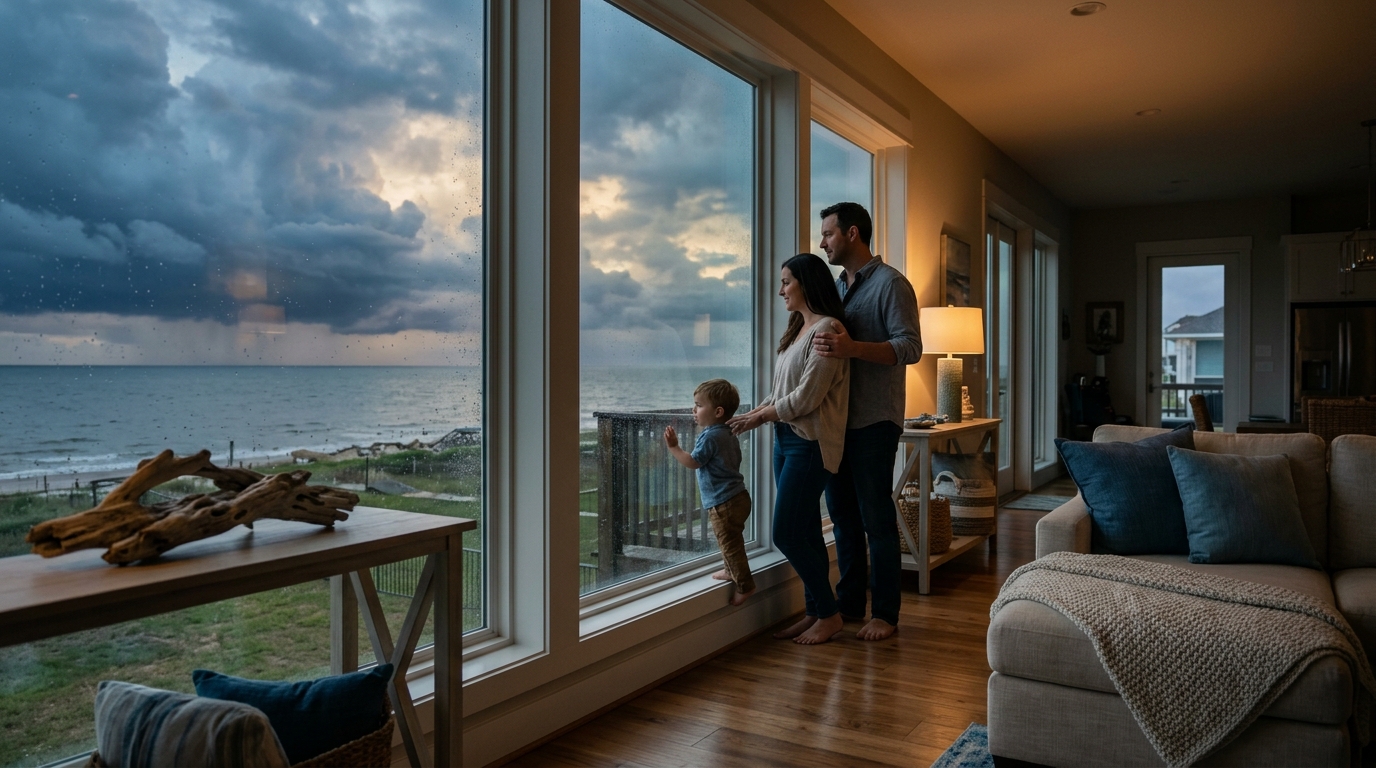
Living along the Texas Gulf Coast means accepting the reality of severe weather. According to the National Weather Service, the Gulf Coast region experiences some of the highest windstorm risks in the United States, with average annual wind-related claims significantly outpacing inland areas. This elevated risk profile directly dictates the cost of standalone windstorm protection. For homeowners in Texas City and surrounding coastal communities, understanding these variables is not just about budgeting. It is about securing the right coverage before the next storm season arrives. This guide breaks down the exact elements that drive your premium costs and how to manage them effectively.
Structural Integrity and Construction Materials
The physical makeup of your home is the single most significant factor in determining your windstorm premium. Insurance carriers assess the roof, walls, and windows to estimate the likelihood of catastrophic failure during high winds. Windstorm insurance is a specialized policy that covers damage caused by wind, distinct from standard homeowners policies which often exclude it in coastal zones.
Roof Design and Age
Your roof is the first line of defense. A newer roof with a lower pitch and modern fastening techniques will result in lower premiums. Conversely, older roofs with worn shingles or complex architectural designs create more surface area for wind uplift. Carriers often require a recent roof inspection or certification to issue a quote. If your roof is over ten years old, expect a substantial increase in your base rate.
Wall and Window Reinforcement
Impact-resistant windows and reinforced siding significantly reduce the risk of interior water damage and structural compromise. Homes built with concrete block or reinforced masonry walls generally qualify for better rates than those with standard wood framing. The cost of these upgrades is often offset by long-term premium savings and reduced vulnerability to storm surge.
Location Risk and Elevation Zones
Geography dictates risk. Even within Texas City, your specific address plays a crucial role in pricing. Proximity to the Gulf of Mexico increases exposure to both wind and flood risks. While windstorm insurance covers the wind, the associated flood risk often influences carrier willingness to write the policy.
Flood Insurance Zones
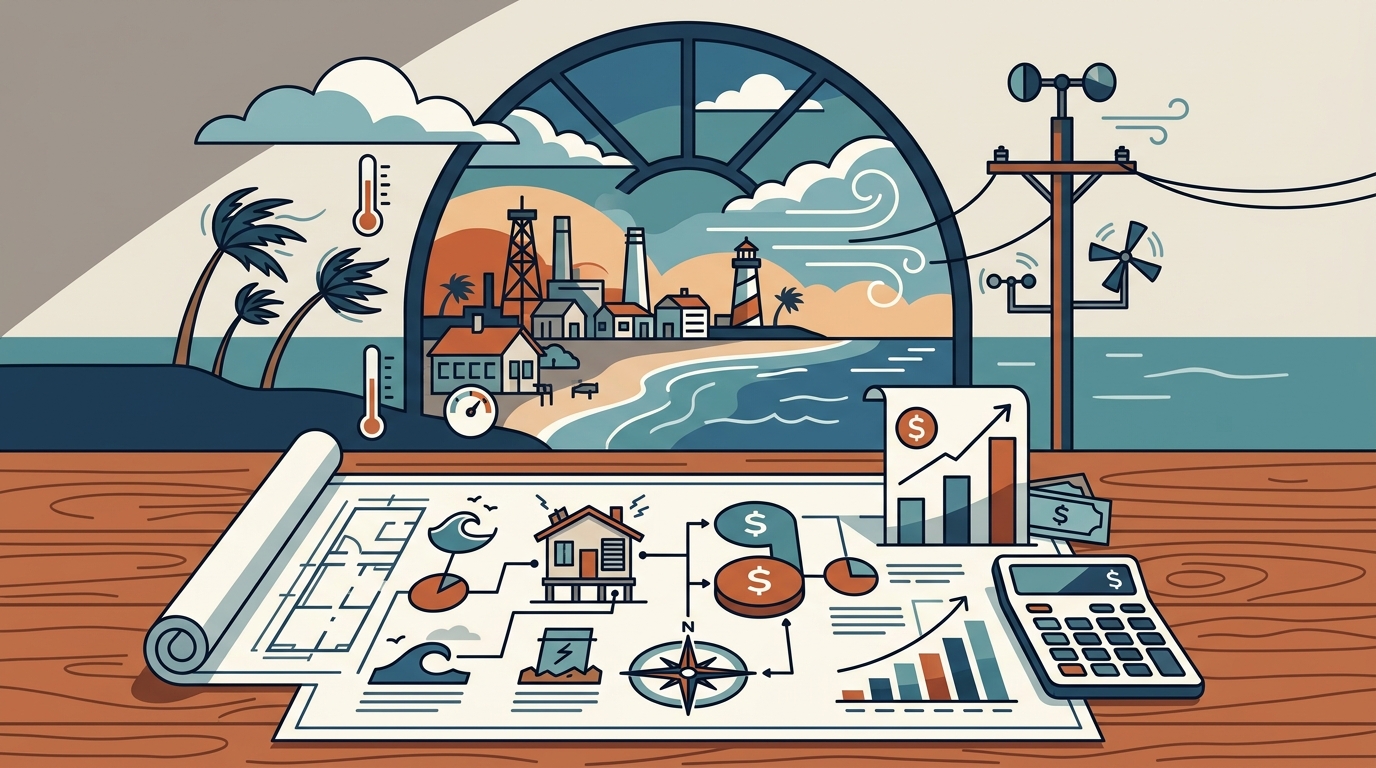
Properties located in FEMA flood zones AE or VE face higher scrutiny. Carriers use elevation certificates to determine the height of your home relative to the base flood elevation. A home built on a higher elevation slab will typically see lower premiums than one at sea level. This data is critical for underwriters assessing the combined risk of wind and water.
Distance to Coastline
Insurers use distance bands to categorize risk. Homes within one mile of the coastline are considered high-risk and attract the highest premiums. As you move inland, the wind speed exposure decreases, leading to gradual premium reductions. However, the drop-off is not linear. The first few miles inland still carry significant risk due to storm surge and debris impact.
Mitigation Discounts and Code Compliance
Texas has strict building codes for coastal construction. Compliance with these codes, such as the Texas Windstorm Insurance Association (TWIA) standards, can lower your costs. Mitigation discounts are offered to homeowners who proactively reduce risk through specific upgrades.
Roof Certification
Obtaining a WPI-8 certificate is essential for Texas coastal properties. This certificate verifies that your roof meets current wind resistance standards. Without it, you may be forced into the residual market or face uninsurable status. A valid WPI-8 certificate can unlock significant discounts from private carriers who prefer writing policies on compliant homes.
Secondary Water Barrier Installation
Installing a secondary water barrier under your roofing material prevents water intrusion if the shingles are blown off. This simple upgrade demonstrates to underwriters that you have taken steps to minimize loss. Many carriers offer explicit discounts for this feature, recognizing its effectiveness in preserving the home's interior.
Coverage Limits and Deductible Structures
Your choice of coverage limits and deductibles directly impacts your out-of-pocket costs. Windstorm policies often have separate deductibles, which are typically a percentage of the dwelling coverage limit rather than a flat dollar amount.
Percentage Deductibles
A common windstorm deductible is 2% to 5% of the home's insured value. For a home insured at $500,000, a 2% deductible means you pay the first $10,000 of any wind-related claim. Choosing a higher deductible, such as 5% or 10%, will lower your annual premium significantly. However, you must be prepared to cover that larger initial cost if a storm hits.
Replacement Cost vs. Actual Cash Value
Ensure your policy is written on a replacement cost basis. Actual cash value policies deduct depreciation, leaving you with insufficient funds to rebuild. Replacement cost coverage ensures you receive the full amount needed to repair or rebuild your home to its pre-storm condition. This distinction is vital for maintaining financial stability after a major event.
Market Forces and Carrier Availability
The insurance market is dynamic. After major hurricane seasons, carriers may adjust rates across the board or reduce capacity in high-risk areas. Understanding these market trends helps you time your policy renewal or switch strategically.
Carrier Financial Health
Not all carriers are equally stable. Working with an agency that partners with top-rated insurers ensures your policy will be honored when you need it most. Private Windstorm specializes in connecting Texas homeowners with reliable carriers who understand the local risk landscape.
Policy Review and Comparison
Annual policy reviews are essential. Rates can change, and your home's risk profile may shift due to neighborhood developments or changes in building codes. Regularly comparing quotes ensures you are not overpaying for coverage you do not need. Our team provides free consultations to help you navigate these changes.
Key Takeaways
- Roof Certification: A valid WPI-8 certificate is often mandatory for obtaining windstorm coverage in Texas coastal zones.
- Deductible Impact: Increasing your windstorm deductible from 2% to 5% can significantly reduce your annual premium costs.
- Location Sensitivity: Proximity to the Gulf of Mexico is the primary driver of risk classification and premium pricing.
- Mitigation Discounts: Installing impact-resistant windows and secondary water barriers can qualify you for specific carrier discounts.
- Market Volatility: Premiums can fluctuate annually based on industry-wide loss ratios and major storm activity.
- Replacement Cost: Always opt for replacement cost coverage to ensure adequate funds for rebuilding after a total loss.
- Agency Expertise: Working with a specialized broker like Private Windstorm ensures access to the best available market options.
Frequently Asked Questions
What is the difference between windstorm insurance and homeowners insurance?
Standard homeowners insurance policies often exclude wind damage in high-risk coastal areas. Windstorm insurance is a standalone policy or endorsement that specifically covers damage caused by wind, hail, and associated perils. It is essential for coastal homeowners to have this separate coverage to protect their assets.
How is the windstorm deductible calculated?
Windstorm deductibles are typically calculated as a percentage of your home's insured dwelling value, not a flat fee. For example, if your home is insured for $400,000 and you have a 2% wind deductible, you would pay the first $8,000 of any wind-related claim. The remaining costs are covered by the insurance policy.
Can I get windstorm insurance if my roof is old?
It can be challenging to obtain coverage with an older roof, but it is not impossible. Some carriers may require a roof inspection or certification to prove the roof is in good condition. Others may offer coverage with higher premiums or specific exclusions. Upgrading your roof or obtaining a WPI-8 certificate can improve your options.
Why do premiums vary so much between carriers?
Different carriers use different underwriting models and risk assessment tools. Some carriers may be more aggressive in the Texas market, offering lower rates to gain market share. Others may be more conservative, charging higher premiums to account for perceived risk. Shopping around with a knowledgeable broker helps you find the best balance of price and coverage.
What is a WPI-8 certificate?
A WPI-8 certificate is a document issued by a licensed inspector that verifies a roof meets the current wind resistance standards set by the Texas Windstorm Insurance Association. This certificate is often required by private carriers to issue windstorm policies in coastal Texas. It provides assurance that the roof can withstand high winds.
How often should I review my windstorm policy?
You should review your windstorm policy annually, especially before hurricane season. Market conditions change, and your home's value may have increased. Regular reviews ensure your coverage limits are adequate and that you are getting the best available rate. Our team offers free annual policy reviews for our clients.
Does windstorm insurance cover flood damage?
No, windstorm insurance does not cover flood damage. Flood insurance is a separate policy that covers water damage from rising water, storm surge, and heavy rainfall. Coastal homeowners typically need both windstorm and flood insurance to be fully protected. We offer quotes for both types of coverage to simplify your insurance needs.
Contact Us for a Quote
Navigating the complexities of windstorm insurance in Texas requires expert guidance. Private Windstorm is dedicated to helping homeowners in Texas City and the surrounding Gulf Coast secure the protection they need. Our team of experienced agents works with top-rated carriers to find the best rates and coverage options for your specific situation. Do not wait until a storm is on the horizon to secure your policy. Contact us today for a free consultation and quote. Visit our Home Insurance Quote page to get started. You can also explore our Flood Insurance options to ensure comprehensive protection. For more information on our services, visit our About page. Learn more about our Insurance Carriers and their specific offerings. Read our Client Testimonials to see how we have helped others. Schedule your Free Consultation now to secure your peace of mind.