
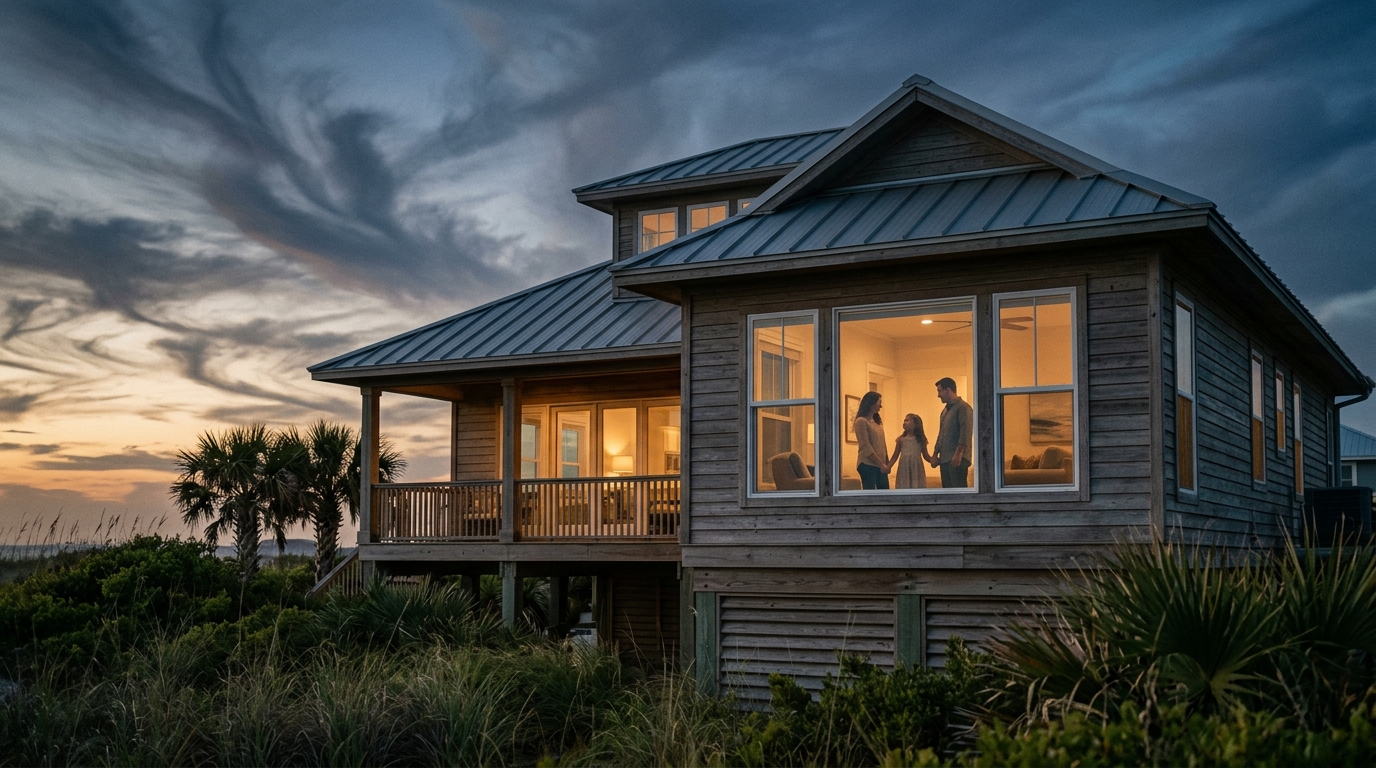
Homeowners in coastal Texas face a unique financial reality. Standard homeowners policies explicitly exclude wind and hail damage. This exclusion leaves properties vulnerable to catastrophic loss during hurricane season. According to the Insurance Information Institute, wind is the second most common cause of property damage claims in the United States. This statistic highlights the critical need for specialized coverage. Without a dedicated windstorm policy, a single storm can result in total financial ruin for homeowners in high-risk zones.
Understanding Policy Ineligibility
Many homeowners in Texas City and surrounding coastal areas discover too late that their standard policy does not cover wind damage. This is not a gap in coverage. It is a fundamental structural exclusion. Standard homeowners insurance is designed for non-coastal risks. Windstorm insurance is a separate, specialized product. It covers damage caused by high winds, hurricanes, and tornadoes.
When a property is deemed ineligible for standard windstorm coverage, it usually falls into a high-risk category. This classification is based on proximity to the coast and historical storm data. The Texas Windstorm Insurance Association (TWIA) serves as the insurer of last resort. TWIA provides coverage for properties that private insurers cannot or will not insure. This entity was established to ensure that all homeowners have access to basic windstorm protection.
Windstorm insurance is a specialized policy that covers damage caused by high winds, hurricanes, and tornadoes. It is distinct from standard homeowners insurance. This distinction is vital for coastal residents. Without this specific coverage, you are financially exposed to the most common natural disaster in the region.
The FAIR Plan Solution
If your property is ineligible for private windstorm insurance, the Texas Windstorm Insurance Association (TWIA) is your primary option. TWIA operates as a residual market mechanism. This means it steps in when the private market withdraws. It is not a government agency. It is a nonprofit corporation funded entirely by policyholders.
Eligibility for TWIA coverage depends on specific geographic criteria. Your property must be located within the designated windstorm coverage area. This area includes all counties along the Texas Gulf Coast. It also includes specific inland counties that are prone to severe wind events. You can verify your eligibility by checking the official TWIA map.
FAIR stands for Fair Access to Insurance Requirements. In Texas, this concept is embodied by TWIA. It ensures that high-risk properties are not left without insurance. This system prevents the collapse of the local housing market during storm seasons. It provides a safety net for homeowners who cannot find coverage elsewhere.
According to recent industry reports, TWIA has insured over 400,000 policies in Texas. This volume demonstrates the scale of the risk in the region. It also highlights the importance of having a reliable agent to navigate the application process. The application process is rigorous. It requires detailed documentation of your property's construction and history.
Underwriting Requirements
Securing coverage from TWIA or a private windstorm carrier requires strict adherence to underwriting guidelines. These guidelines are designed to mitigate risk. They ensure that the property can withstand high winds. If your property does not meet these standards, you may be denied coverage or face significantly higher premiums.
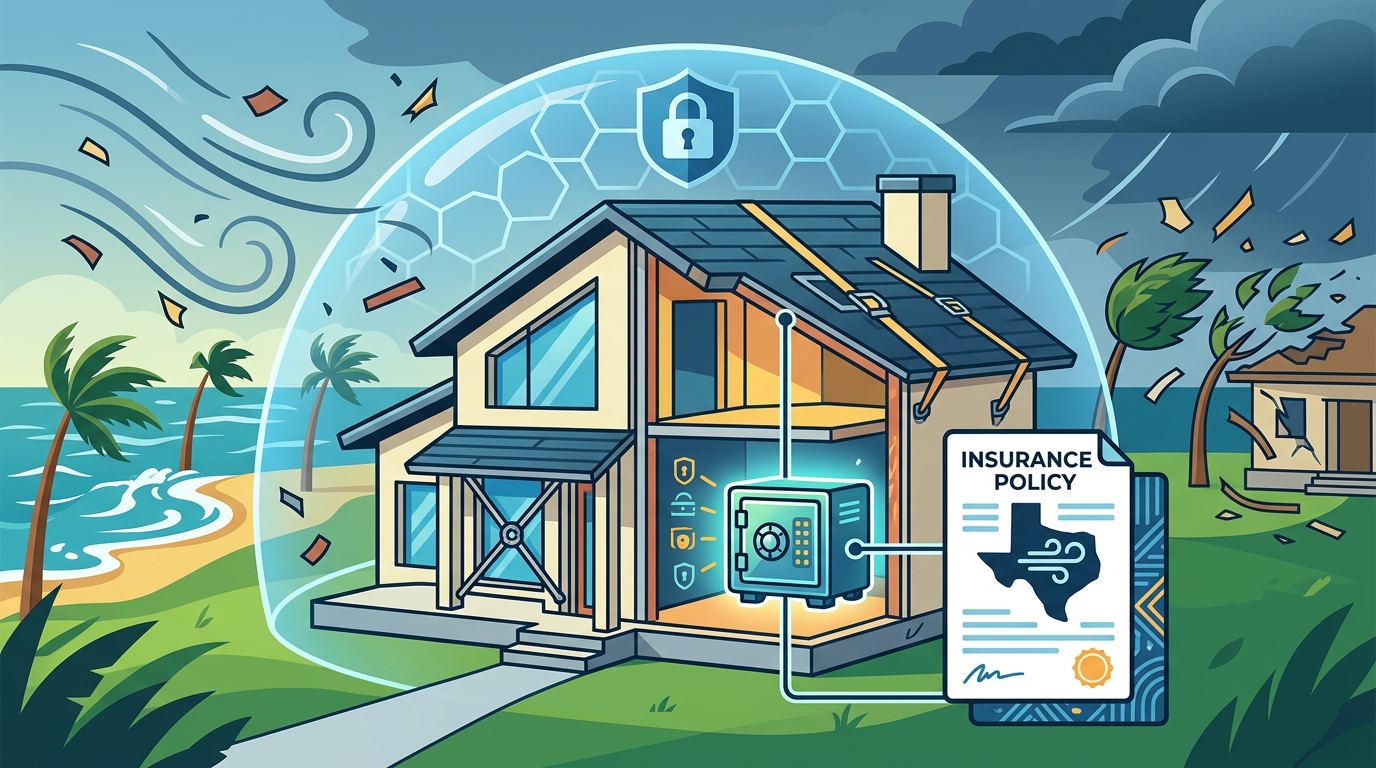
The most critical requirement is the WPI-8 Certificate. This document is a wind mitigation inspection report. It details the construction features of your home. These features include roof covering, roof deck attachment, roof-to-wall connections, and window protection. A home with strong wind-resistant features is more likely to be approved. It may also qualify for lower premiums.
Roof covering is the first line of defense against wind damage. The type of shingles or tiles used matters. Roof-to-wall connections determine how securely the roof is attached to the structure. Window protection includes impact-resistant glass or storm shutters. These features reduce the likelihood of interior damage during a storm.
Another key definition is the WPI-8 Certificate. This is a standardized form used to document wind mitigation features. It is required for all TWIA applications. Without this certificate, your application will be incomplete. You must hire a licensed inspector to complete this form. The inspector must be certified in wind mitigation analysis.
Property age also plays a significant role. Older homes often require extensive upgrades to meet current codes. These upgrades can include reinforcing the roof deck or installing impact-resistant windows. The cost of these upgrades can be substantial. However, they are often necessary to secure coverage. Ignoring these requirements can lead to policy cancellation or non-renewal.
Comparing Windstorm Providers
While TWIA is the primary option for ineligible properties, private carriers also offer windstorm insurance. Some private insurers have returned to the Texas market. They offer coverage for properties that meet specific underwriting standards. Comparing these options is essential for finding the best value.
| Provider Type | Coverage Scope | Eligibility Criteria | Premium Factors |
|---|---|---|---|
| TWIA (Texas Windstorm Insurance Association) | Basic wind and hail coverage only | Must be in coastal zone; WPI-8 required | State-regulated rates; no discounts for mitigation |
| Private Windstorm Carriers | Comprehensive wind, hail, and often other perils | Strict underwriting; WPI-8 often required | Variable rates; discounts for mitigation features |
| Flood Insurance Providers | Water damage from rising water only | Based on FEMA flood zones | Based on elevation and flood zone risk |
TWIA provides basic coverage. It does not include contents coverage. You must purchase a separate policy for your personal belongings. Private carriers often offer more comprehensive packages. They may include contents coverage and additional living expenses. However, their underwriting is stricter. They may deny coverage for older homes or homes with weak roofs.
Flood insurance is another critical component. Windstorm damage often leads to flooding. Standard windstorm policies do not cover flood damage. You need a separate flood policy. The National Flood Insurance Program (NFIP) is the primary source. Private flood insurance is also available. It may offer higher limits and faster claims processing.
According to FEMA, flood damage is the most common natural disaster in the United States. This data shows that wind and flood risks are often intertwined. Homeowners in Texas City must address both risks. A comprehensive insurance strategy includes windstorm, flood, and homeowners coverage. This layered approach provides the best protection.
Key Takeaways
- Standard Exclusions: Standard homeowners policies in Texas exclude wind and hail damage. You must purchase a separate windstorm policy.
- TWIA Role: The Texas Windstorm Insurance Association is the insurer of last resort for coastal properties ineligible for private coverage.
- WPI-8 Certificate: A wind mitigation inspection is mandatory for TWIA applications. It documents the home's resistance to high winds.
- Geographic Limits: Coverage is limited to specific counties along the Texas Gulf Coast and designated inland areas.
- Flood Risk: Windstorm policies do not cover flood damage. Separate flood insurance is required for comprehensive protection.
- Private Options: Some private carriers offer windstorm coverage. They may provide better value but have stricter underwriting standards.
- Agent Assistance: Navigating the application process is complex. Working with a specialized agent can prevent errors and delays.
Frequently Asked Questions
What is the Texas Windstorm Insurance Association (TWIA)?
TWIA is a nonprofit corporation that provides windstorm and hail insurance to homeowners in designated coastal areas of Texas. It acts as the insurer of last resort for properties that cannot obtain coverage from private insurers.
Do I need a WPI-8 certificate to get windstorm insurance?
Yes, a WPI-8 certificate is required for all TWIA applications. It documents the wind mitigation features of your home. Private insurers may also require this certificate to assess risk and determine premiums.
Can I get windstorm insurance if my home is older than 30 years?
It is possible, but more difficult. Older homes often do not meet current building codes. You may need to make upgrades to the roof or windows to qualify. TWIA has specific requirements for older homes.
Does windstorm insurance cover flood damage?
No, windstorm insurance does not cover flood damage. You must purchase a separate flood insurance policy. This can be through the NFIP or a private provider.
How do I know if my property is in the TWIA coverage area?
You can check the official TWIA map online. It lists all the counties and specific areas covered by the association. If your property is in this area, you are eligible to apply.
What happens if I am denied coverage by TWIA?
TWIA generally covers all eligible properties in the designated area. Denial is rare unless the property is not in the coverage zone or does not meet basic safety standards. If denied, you may need to seek other options.
How can I lower my windstorm insurance premium?
You can lower your premium by making wind mitigation upgrades. These include reinforcing the roof, installing impact-resistant windows, and securing garage doors. A WPI-8 certificate can help document these features.
Contact Us for Expert Guidance
Securing windstorm insurance for an ineligible property is a complex process. It requires knowledge of underwriting guidelines, mitigation requirements, and carrier options. At Private Windstorm, we specialize in helping homeowners navigate these challenges. We provide expert guidance to ensure you get the coverage you need.
Our team understands the unique risks of the Texas Gulf Coast. We work with TWIA and private carriers to find the best solution for your property. We help you complete the WPI-8 certificate and prepare your application. We also assist with claims and policy management.
Do not wait until after a storm to secure your coverage. Contact us today to schedule a consultation. We can help you protect your home and your financial future. Visit our Home Insurance page to learn more about our services. You can also request a Windstorm Insurance Quote directly. Protect your property with confidence.