
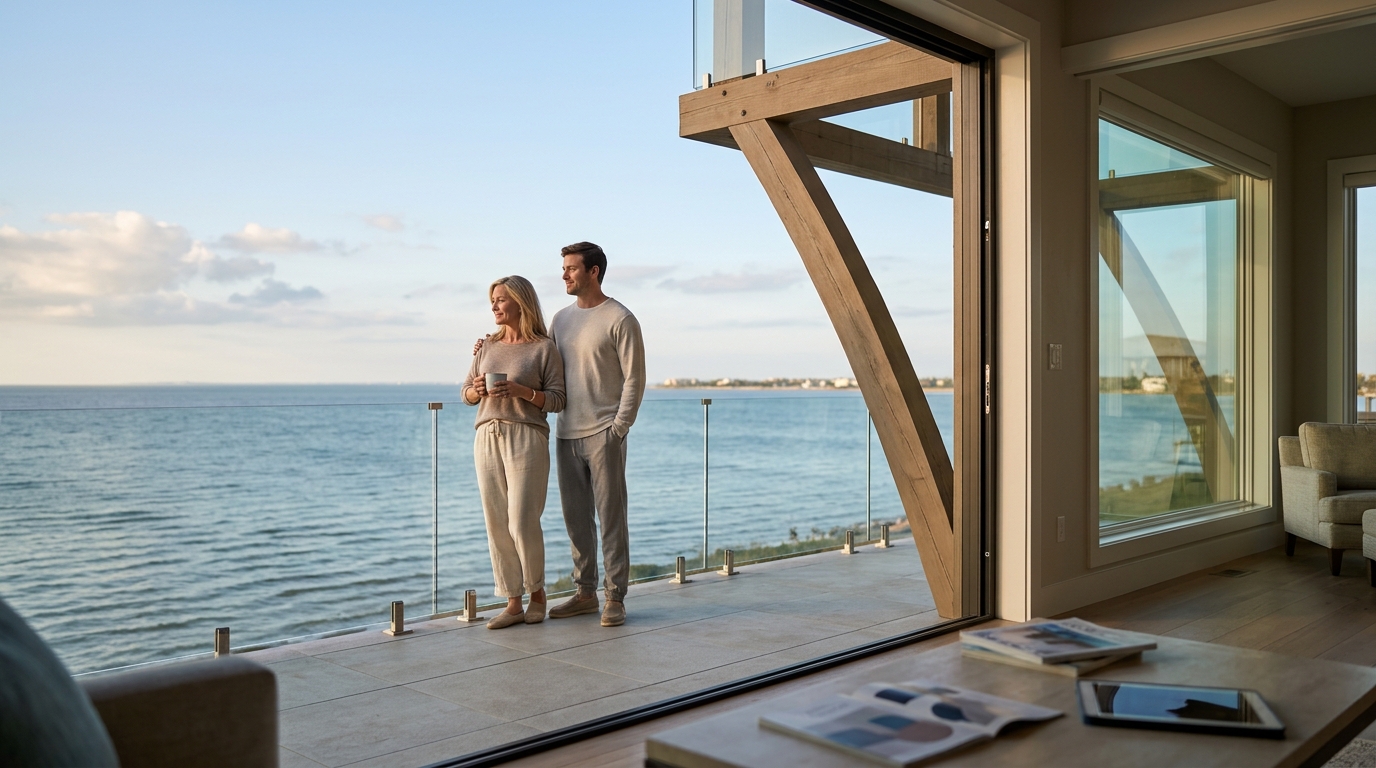
Homeowners in the Texas Gulf Coast face unique financial risks due to the region's exposure to severe weather events. Climate data shows that the frequency and intensity of coastal storms have increased significantly over the last decade. This reality forces insurance carriers to adjust their pricing models to account for higher potential payouts. Understanding these variables is critical for property owners seeking to manage their annual overhead effectively.
Structural Integrity and Construction
The physical composition of your home is the single most significant determinant of your windstorm insurance premium. Insurance carriers evaluate the roof's age, material, and attachment method with extreme scrutiny. FEMA guidelines indicate that roofs with newer impact-resistant shingles or metal roofing systems often qualify for substantial premium reductions. This is because these materials are less likely to fail during high-velocity winds, reducing the likelihood of water intrusion and subsequent interior damage.
Windstorm insurance is a specialized policy that covers damage to your home and property caused by wind, which is typically excluded from standard homeowners insurance policies. The age of your home also plays a pivotal role. Older structures may lack modern building codes' reinforcement standards, such as hurricane straps or clips that secure the roof to the frame. If your home was built before 2000, you might face higher rates due to the perceived risk of structural failure.
Additionally, the foundation type influences your risk profile. Homes on slab foundations generally present lower risks than those on pier-and-beam structures, which can be more susceptible to shifting during storm surges. Our agency reviews these structural elements meticulously to ensure you are not overpaying for risks that your specific home construction mitigates naturally.
Location and Elevation Factors
Geography dictates your baseline risk level. In Texas City and the broader Gulf Coast region, proximity to the shoreline is a primary driver of cost. Properties located within the first few miles of the coast are classified as high-risk zones due to the potential for storm surge and wind shear. National Weather Service data confirms that wind speeds decrease as distance from the coast increases, directly correlating to lower insurance premiums for inland properties.
Elevation is another critical metric. Homes built on higher ground are less likely to suffer from flood-related structural damage, which often accompanies wind events. While flood insurance is a separate policy, the overall risk profile of the property influences windstorm rates. If your home is situated in a low-lying area, carriers may view the combination of wind and water damage as a compounded threat, leading to higher premiums.
Furthermore, local building codes vary by municipality. Texas City has specific wind load requirements that differ from neighboring counties. Compliance with these local codes can sometimes result in lower premiums, as it demonstrates to insurers that the property meets rigorous safety standards. We help clients navigate these regulatory landscapes to identify properties that offer the best balance of location desirability and insurance affordability.
Coverage Limits and Deductibles
Your choice of coverage limits and deductible amounts directly impacts your monthly or annual premium. Windstorm insurance provides coverage for property damage caused by wind, but the extent of that coverage depends on the policy limits you select. Opting for a higher deductible can significantly lower your premium, as you are assuming more of the initial financial risk. However, this strategy requires you to have sufficient emergency funds to cover the deductible in the event of a claim.
Conversely, selecting a lower deductible increases your premium but reduces your out-of-pocket costs during a disaster. It is essential to calculate this trade-off carefully. For high-risk coastal areas, carriers often impose a percentage-based deductible rather than a flat dollar amount. This means your deductible could be a percentage of your home's insured value, which can amount to thousands of dollars. Understanding these deductible structures is vital for accurate budgeting.
Replacement cost value (RCV) versus actual cash value (ACV) is another critical decision. RCV policies pay for the cost to replace damaged items with new ones of similar kind and quality, without deducting for depreciation. ACV policies deduct depreciation, resulting in lower premiums but significantly lower payouts. For new or recently renovated homes, RCV is generally the more prudent choice despite the higher cost.
Mitigation and Discount Programs
Insurance carriers reward homeowners who take proactive steps to mitigate risk. Installing impact-resistant windows and doors can lead to substantial premium discounts. These features prevent wind from entering the home, which can cause internal pressurization and roof failure. The Fortified Home program reports that homes with fortified roofs and walls experience significantly less damage during hurricanes, making them attractive to insurers.
Other mitigation measures include installing storm shutters, reinforcing garage doors, and securing outdoor structures. Some carriers offer discounts for homes equipped with weather monitoring systems that alert homeowners to incoming storms, allowing for last-minute preparations. These technological integrations demonstrate a commitment to loss prevention, which insurers value highly.
Regular maintenance is also a factor. Homes with well-maintained roofs, gutters, and drainage systems are viewed as lower risk. Our team conducts annual policy reviews to ensure you are receiving all applicable discounts for your mitigation efforts. Failing to claim these discounts can result in overpaying for coverage that your home's safety features have already reduced.
Market Dynamics and Carrier Selection
The insurance market is cyclical, and coastal regions are particularly sensitive to these fluctuations. After a major hurricane season, premiums often rise across the board as carriers reassess their risk exposure. Industry reports indicate that the withdrawal of major carriers from the Texas market has led to increased competition among remaining insurers, driving up prices for high-risk policies.
Carrier selection is crucial. Not all insurance companies write windstorm policies in high-risk zones. Some specialize in coastal coverage, while others avoid it entirely. Working with a local agency that has access to multiple carriers allows you to compare quotes and find the most competitive rate. We partner with top-tier carriers who understand the unique nuances of the Texas Gulf Coast market.
Additionally, the financial stability of the carrier is a key consideration. You want an insurer that has the reserves to pay claims after a catastrophic event. A.M. Best ratings provide insight into an insurer's financial strength and ability to meet its ongoing policy obligations. Choosing a financially stable carrier ensures that your coverage will be honored when you need it most.
Key Takeaways
- Roof Construction: Impact-resistant roofing materials and proper attachment methods are the most effective ways to lower windstorm premiums.
- Proximity to Coast: Homes closer to the shoreline face higher premiums due to increased exposure to storm surge and wind speeds.
- Deductible Structure: Windstorm deductibles are often percentage-based, requiring careful financial planning for potential out-of-pocket costs.
- Mitigation Discounts: Installing storm shutters and reinforcing garage doors can qualify homeowners for significant premium reductions.
- Market Volatility: Premiums fluctuate based on regional hurricane activity and carrier availability in the Texas Gulf Coast market.
- Agency Expertise: Local agencies like Brad Spurgeon Insurance Agency have access to specialized carriers that national brokers may not.
- Regular Reviews: Annual policy reviews ensure you are not overpaying and are capturing all available discounts for home improvements.
Frequently Asked Questions
What is the difference between windstorm insurance and homeowners insurance?
Homeowners insurance typically excludes wind damage in high-risk coastal areas. Windstorm insurance is a standalone policy or endorsement that specifically covers damage caused by wind, hail, and related weather events.
How is the windstorm deductible calculated?
In high-risk zones, windstorm deductibles are often calculated as a percentage of the home's insured value, rather than a flat dollar amount. This percentage can range from 1% to 5% depending on the carrier and location.
Does the age of my roof affect my premium?
Yes. Older roofs are more susceptible to wind damage. Carriers may charge higher premiums for homes with roofs over 10 years old, or they may require a roof inspection before issuing a policy.
Can I get windstorm insurance if I live in a flood zone?
Yes, but you will likely need separate flood insurance. Windstorm insurance covers wind damage, while flood insurance covers water damage from rising water. Both are often necessary in coastal Texas.
How often should I review my windstorm policy?
You should review your policy annually. Home improvements, changes in local building codes, and shifts in the insurance market can all impact your coverage needs and premium costs.
What is the WPI-8 form?
The WPI-8 is a standard policy form used in Texas for windstorm and hail insurance. It outlines the specific terms, conditions, and exclusions of the coverage.
Do I need windstorm insurance if I live inland?
While the risk is lower, inland areas are not immune to wind damage. However, premiums are generally lower, and some carriers may include wind coverage in a standard homeowners policy for inland properties.
Secure Your Coverage Today
Navigating the complexities of windstorm insurance in the Texas Gulf Coast requires expert guidance. At Brad Spurgeon Insurance Agency, we have been protecting families since 1986. We understand the unique challenges of coastal living and work tirelessly to find the best coverage at the most competitive rates. Get a free quote today to see how much you could save on your windstorm protection.