
Does Private Windstorm Insurance Cover Damage from Named Hurricanes and Tropical Storms?
Homeowners in the Texas Gulf Coast face unique risks that standard policies often fail to address. According to the Federal Emergency Management Agency, wind damage accounts for the majority of insured losses in coastal regions, yet many homeowners remain confused about what their specific policies cover during severe weather events. Understanding the distinction between standard homeowners insurance and specialized windstorm coverage is critical for financial protection. This guide clarifies how private windstorm insurance works, specifically regarding named hurricanes and tropical storms, and explains the role of agencies like Brad Spurgeon Insurance Agency Inc. in securing comprehensive protection.
What Is Private Windstorm Insurance?
Private windstorm insurance is a specialized coverage designed to protect your home against damage caused by high winds, hail, and hurricanes. Unlike standard homeowners insurance, which may exclude or limit wind coverage in high-risk coastal areas, a dedicated windstorm policy ensures that your roof, siding, and structural elements are protected regardless of the wind source.
Windstorm insurance is a distinct type of property coverage that focuses exclusively on wind-related perils. In Texas, where the Gulf Coast is prone to severe weather, this coverage is often required by lenders or highly recommended to avoid catastrophic out-of-pocket expenses. Agencies such as Brad Spurgeon Insurance Agency Inc. specialize in navigating these complex requirements for Texas City and surrounding communities.
For residents in Texas City, securing this coverage is not just a precaution; it is a necessity. The region's proximity to the Gulf of Mexico means that wind events are frequent and often severe. Without a robust windstorm policy, homeowners risk significant financial loss from even minor weather events.
Named Storms vs. Unnamed Wind Events
A common point of confusion among homeowners is the difference between named storms and unnamed wind events. Both can cause significant damage, but the impact on your insurance deductible and coverage limits can vary depending on your specific policy structure.
Named Hurricanes and Tropical Cyclones
When a storm is officially named by the National Weather Service, it triggers specific clauses in most windstorm policies. These named storms, including hurricanes and tropical storms, often come with higher deductibles. This is known as a "named storm deductible," which is typically a percentage of your home's insured value rather than a flat dollar amount.
For example, if your home is insured for $300,000 and you have a 2% named storm deductible, you would be responsible for the first $6,000 of damage before your insurance kicks in. This structure is designed to discourage filing small claims for minor wind damage while ensuring coverage for major catastrophic events.
Unnamed Wind Events
Not all damaging winds come from named storms. Cold fronts, sea breezes, and other meteorological phenomena can generate winds strong enough to tear shingles off your roof or damage siding. These events are not assigned a name by the National Weather Service.
For unnamed wind events, your standard homeowners policy or a non-named storm portion of your windstorm policy typically applies. The deductible for these events is usually a fixed dollar amount, which is often lower than the percentage-based deductible for named storms. Understanding this distinction is vital for accurate financial planning during hurricane season.
Tropical Storm Damage and Deductibles
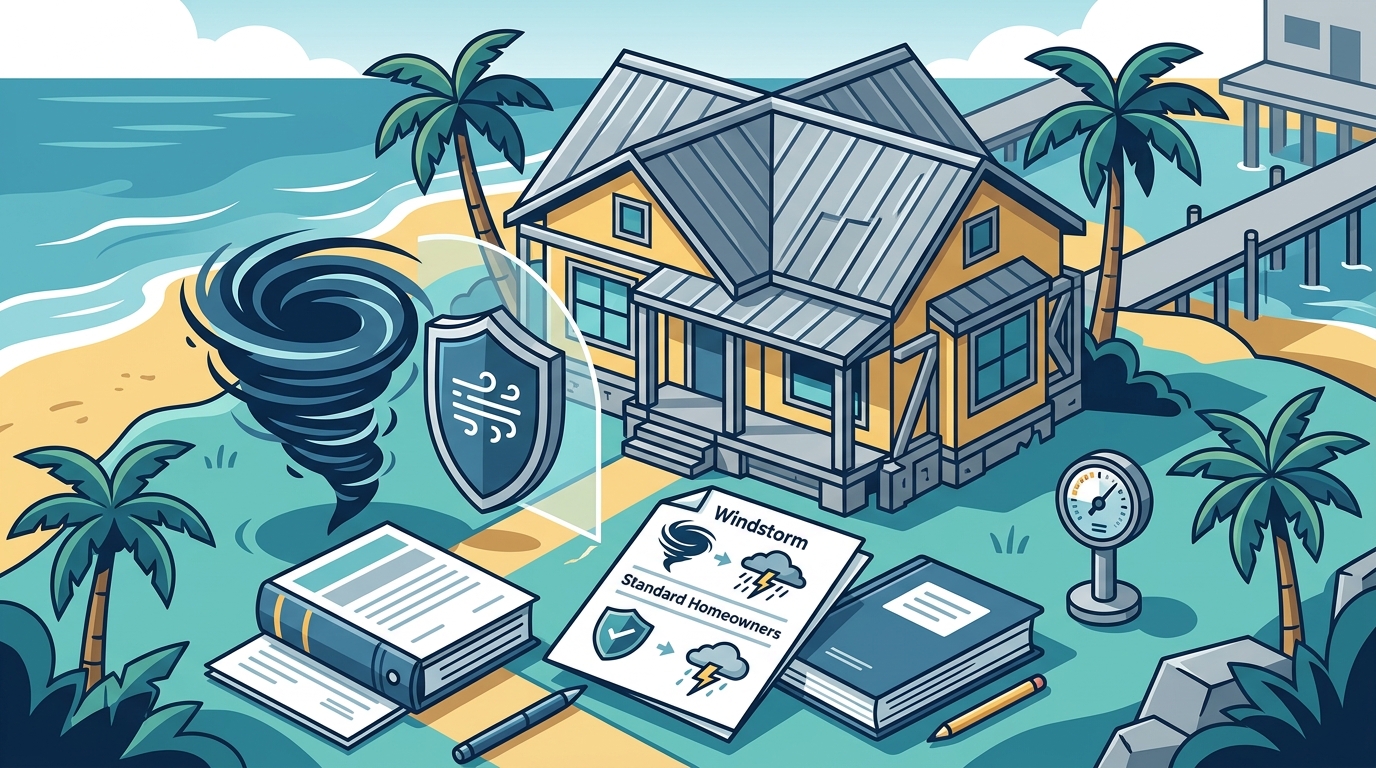
Tropical storms are often underestimated because they lack the dramatic wind speeds of hurricanes. However, they can still produce damaging winds, heavy rainfall, and storm surge. Does private windstorm insurance cover tropical storms? The answer is yes, provided the winds meet the threshold defined in your policy.
Most private windstorm policies define a tropical storm as a weather system with sustained winds of 39 to 73 miles per hour. If your home suffers damage from winds within this range, it is considered a wind-related claim. This means that damage to your roof from a tropical storm is covered under your windstorm insurance, subject to your deductible.
It is important to note that flood damage caused by a tropical storm is not covered by windstorm insurance. Flood insurance is a separate policy that covers water entering your home from external sources, such as rising water tables or storm surge. For comprehensive protection, homeowners in Texas City often need both windstorm and flood insurance policies.
Gaps in Standard Homeowners Policies
Many homeowners assume their standard homeowners insurance policy covers all weather-related damage. This is a dangerous misconception, particularly in coastal Texas. Standard policies often exclude wind damage or impose strict limitations that leave homeowners vulnerable.
Exclusions in Coastal Zones
In high-risk coastal areas, standard insurers may exclude wind coverage entirely or charge exorbitant premiums for it. This is why specialized private windstorm insurance exists. It fills the gap left by standard carriers, offering tailored coverage for the specific risks faced by Gulf Coast residents.
Standard homeowners insurance is designed for a broad range of risks, but it often lacks the specificity needed for coastal wind events. Private windstorm insurance addresses this by focusing exclusively on wind and hail, ensuring that your coverage limits are adequate for the unique challenges of your location.
The Importance of Wind Mitigation
Homeowners who have implemented wind mitigation features, such as hurricane straps, impact-resistant windows, or a newer roof, may qualify for lower premiums. These features reduce the risk of damage, which insurers reward with better rates. Working with an agency that understands these nuances can help you identify which mitigation strategies offer the best return on investment.
The Windstorm Included Home Policy
For homeowners seeking simplicity and comprehensive protection, the Windstorm Included Home Policy offers a streamlined solution. This policy combines windstorm coverage with other essential protections, reducing the complexity of managing multiple policies.
Unified Coverage Benefits
The Windstorm Included Home Policy is designed for Texas Gulf Coast homeowners who want to avoid the hassle of separate wind and flood policies. By bundling these coverages, homeowners can benefit from a single deductible structure and simplified claims process. This approach is particularly beneficial for those who want to ensure they are fully protected without navigating complex policy interactions.
This policy type is ideal for homeowners who want to minimize administrative burden while maintaining robust coverage. It ensures that both wind and flood risks are addressed under one umbrella, providing peace of mind during hurricane season.
Eligibility and Underwriting
Not all homes qualify for the Windstorm Included Home Policy. Underwriting criteria may include the age of your roof, your home's construction type, and its proximity to the coast. A thorough review of your property by a knowledgeable agent is essential to determine eligibility and ensure you receive the best possible rates.
Filing a Windstorm Claim
When a storm passes, the claims process can be daunting. Knowing the steps involved can help you navigate the process efficiently and ensure you receive the compensation you deserve.
Immediate Steps After a Storm
First, ensure your safety. If your home is unsafe to enter, do not attempt to inspect it. Once it is safe, document the damage with photos and videos before making any temporary repairs. This evidence is crucial for your insurance adjuster.
Contact your insurance agency immediately. Brad Spurgeon Insurance Agency Inc. can help you report the claim and guide you through the next steps. Having a dedicated agent who understands the local insurance landscape can significantly speed up the claims process.
The Role of Your Agent
Your agent acts as your advocate during the claims process. They can help you understand your policy limits, negotiate with the insurance carrier, and ensure that all damages are accounted for. This support is invaluable, especially when dealing with complex windstorm claims.
Key Takeaways
- Private windstorm insurance covers damage from both named hurricanes and unnamed wind events, but deductibles may differ.
- Named storm deductibles are typically a percentage of your home's insured value, while unnamed storm deductibles are often fixed amounts.
- Tropical storms with sustained winds of 39 mph or higher are covered under windstorm policies, but flood damage requires separate coverage.
- Standard homeowners policies often exclude or limit wind coverage in high-risk coastal areas like Texas City.
- The Windstorm Included Home Policy offers a bundled solution for Texas Gulf Coast homeowners, simplifying coverage for both wind and flood risks.
- Brad Spurgeon Insurance Agency Inc. has served the Texas Gulf Coast since 1986, providing specialized insurance expertise.
- Documenting damage immediately after a storm is critical for a successful insurance claim.
Frequently Asked Questions
Does windstorm insurance cover damage from unnamed storms?
Yes, private windstorm insurance typically covers damage from unnamed wind events, such as those caused by cold fronts or sea breezes. However, the deductible for these events is usually a fixed dollar amount, which may be lower than the percentage-based deductible for named storms.
What is the difference between a named storm deductible and a standard deductible?
A named storm deductible is a percentage of your home's insured value (e.g., 2% to 5%) and applies only to damage caused by officially named hurricanes or tropical storms. A standard deductible is a fixed dollar amount (e.g., $1,000) and applies to other covered perils like fire or theft.
Do I need separate flood insurance if I have windstorm insurance?
Yes, windstorm insurance does not cover flood damage. Flood insurance is a separate policy that covers water entering your home from external sources. Homeowners in coastal areas are strongly advised to carry both windstorm and flood insurance for comprehensive protection.
How does the age of my roof affect my windstorm insurance?
The age and condition of your roof are critical factors in underwriting windstorm insurance. Older roofs may face higher premiums or even exclusions from coverage. Some insurers require a roof inspection or may deny coverage for roofs over a certain age, such as 10 or 15 years old.
Can I get a quote for the Windstorm Included Home Policy online?
While you can start the process online, a personalized quote for the Windstorm Included Home Policy often requires a review of your specific property details. Contacting an agency like Brad Spurgeon Insurance Agency Inc. ensures you receive an accurate assessment of your coverage needs and eligibility.
What should I do if my home is damaged by a hurricane?
Ensure your safety first, then document the damage with photos and videos. Make temporary repairs to prevent further damage, such as covering broken windows. Contact your insurance agency immediately to report the claim and begin the recovery process.
Why is windstorm insurance more expensive in Texas City?
Windstorm insurance is more expensive in Texas City due to the high risk of severe weather events. The proximity to the Gulf of Mexico increases the likelihood of hurricanes and tropical storms, leading to higher potential payouts for insurers. This risk is reflected in the premiums.
Get Your Custom Quote
Protecting your home from the unpredictable forces of nature requires expert guidance. Whether you need a standalone windstorm policy, flood insurance, or the comprehensive Windstorm Included Home Policy, Brad Spurgeon Insurance Agency Inc. is here to help. As a third-generation family agency serving Texas City and the Gulf Coast since 1986, we understand the unique challenges of coastal living.
Do not wait for the next storm to assess your coverage. Contact us today to schedule a free consultation and secure the protection your home deserves. Visit our Home Insurance Quote page to get started, or explore our Flood Insurance options to ensure you are fully covered. For more information about our services, visit our About Our Agency page. You can also check out our Insurance Carriers list to see who we work with. To learn more about our history, read our Client Testimonials. For additional resources, visit our Blog.