
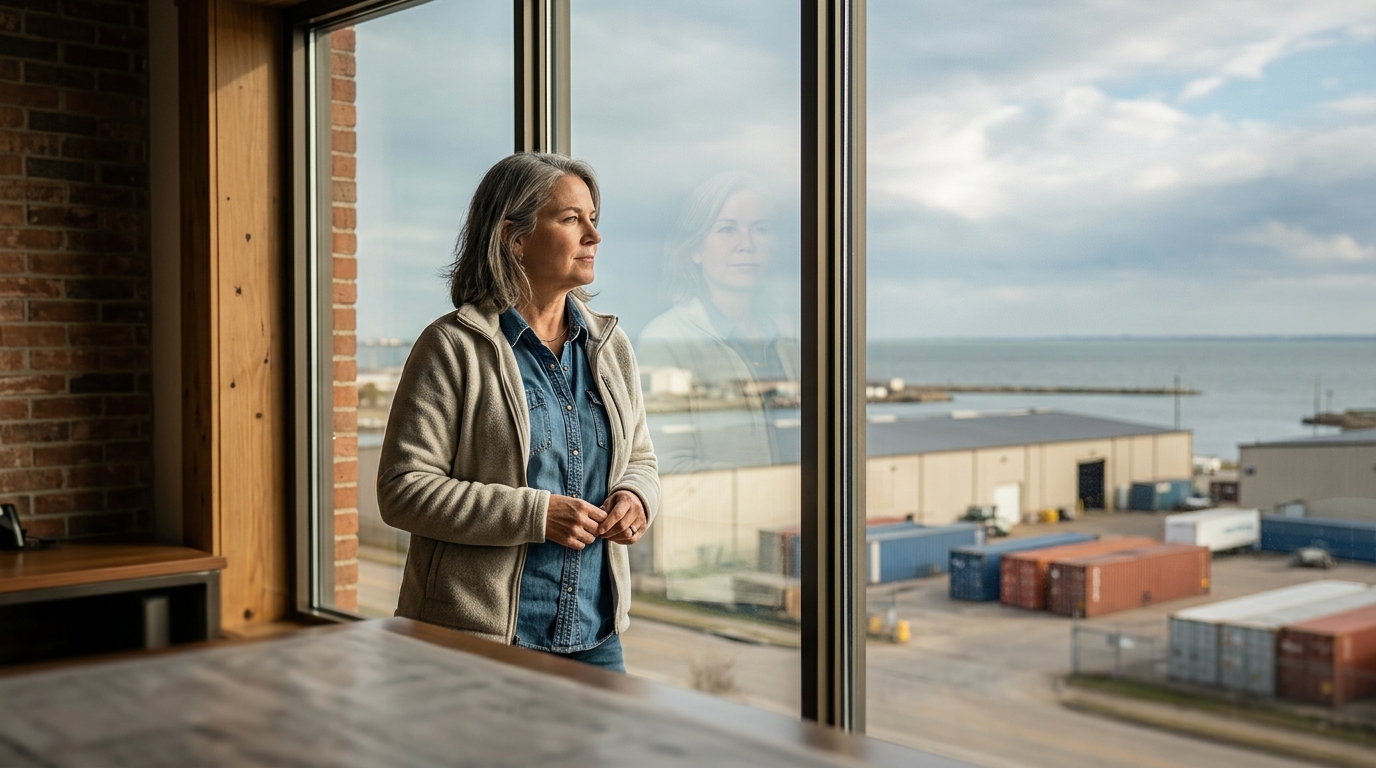
When a commercial property owner in the Texas Gulf Coast receives a notice of non-renewal from their primary carrier, the immediate threat is a total loss of windstorm protection. Industry data shows that over 40 percent of commercial policies in high-risk coastal zones face increased scrutiny or cancellation due to rising claim frequencies. This leaves business owners with a critical window to secure alternative coverage before a storm season begins. Without a proactive strategy, properties can become uninsurable in the private market, forcing reliance on the Texas Windstorm Insurance Association (TWIA) or facing massive deductibles.
Understanding the Non-Renewal Notice
A notice of non-renewal is not a cancellation. It is a warning that your current insurer will not renew your policy at the end of the term. For commercial property owners, this often stems from aggressive underwriting models that penalize properties in high-risk wind zones. Recent reports indicate that many national carriers have exited the Texas commercial market entirely, leaving a gap in coverage that requires specialized local expertise.
Windstorm insurance is a specific type of coverage that protects your building and contents against damage caused by high winds and hail. Standard commercial property policies often exclude wind damage or impose separate, high deductibles. When your primary carrier drops you, you must quickly identify a new provider that specializes in high-risk coastal properties.
The process of finding new coverage involves more than just shopping for price. It requires a deep understanding of underwriting guidelines, construction codes, and the specific risk profile of your commercial asset. Specialized agencies can navigate these complexities by accessing markets that are not available to the general public.
Private Market Alternatives
Even after a non-renewal, private market options remain available. These carriers often require rigorous documentation, including engineering reports, roof certifications, and detailed loss history. Market analysis confirms that properties with recent mitigation upgrades, such as impact-resistant windows or reinforced roofing, have a higher chance of securing favorable terms.
One key alternative is the Windstorm Included Home Policy, which is expanding its applicability to certain commercial structures in specific zones. This policy bundles windstorm coverage into a standard property policy, simplifying the claims process and reducing administrative overhead. Windstorm insurance is a critical component of any comprehensive commercial risk management strategy.
Another option is to seek coverage through surplus lines carriers. These insurers are not bound by standard rate filings and can offer flexible terms for high-risk properties. However, this comes with higher premiums and the need for a licensed surplus lines broker to facilitate the transaction. Our agency has decades of experience placing commercial risks in these specialized markets.
The Role of TWIA
The Texas Windstorm Insurance Association (TWIA) serves as the insurer of last resort for coastal properties. If private carriers are unwilling to write the policy, TWIA may step in to provide coverage. Data from TWIA shows that membership has grown significantly as private carriers retreat from the Gulf Coast. This association provides a safety net, but it also has strict eligibility requirements and construction standards.
Windstorm insurance provided by TWIA is designed to cover wind and hail damage specifically. It does not cover flood damage, which must be purchased separately through the National Flood Insurance Program (NFIP) or private flood insurers. Flood insurance is equally critical for commercial properties in low-lying areas.
Applying for TWIA coverage requires a detailed application and often a physical inspection of the property. The process can be time-consuming, and coverage is not guaranteed if the property does not meet current building codes. Industry experts note that working with a knowledgeable agent can streamline this process and ensure all documentation is submitted correctly.
Comparing Coverage Options
Choosing the right coverage after a non-renewal requires a careful comparison of options. Below is a summary of the primary pathways available to commercial property owners in Texas.
| Option | Coverage Scope | Eligibility | Best For |
|---|---|---|---|
| Private Windstorm | Wind and Hail | Meets underwriting guidelines | Properties with strong mitigation |
| TWIA | Wind and Hail | Coastal zone compliance | Properties unable to secure private coverage |
| Surplus Lines | Customized Risk | High-risk profiles | Unique or complex commercial assets |
| Business Bundle | Comprehensive | Varies by carrier | Integrated risk management |
Each option has distinct advantages and limitations. Private windstorm policies often offer broader coverage and faster claims processing. TWIA provides stability but may have higher deductibles. Surplus lines carriers offer flexibility but at a premium cost. Market trends suggest that a hybrid approach, combining windstorm and flood coverage from different specialized providers, often yields the best results.

Key Takeaways
- A non-renewal notice requires immediate action to avoid coverage gaps.
- Private market options exist but often require rigorous documentation and mitigation.
- TWIA serves as a critical safety net for coastal commercial properties.
- Flood insurance is separate from windstorm coverage and must be secured independently.
- Specialized agents have access to surplus lines and niche markets.
- Property mitigation upgrades can significantly improve insurability.
- Brad Spurgeon Insurance Agency has served the Texas Gulf Coast since 1986.
Frequently Asked Questions
What is the deadline to secure new windstorm coverage?
You should begin the process immediately upon receiving a non-renewal notice. Industry standards suggest allowing at least 30 to 60 days for underwriting and policy issuance to avoid lapses.
Does TWIA cover flood damage?
No. Flood insurance is a separate policy that must be purchased through the NFIP or private carriers. TWIA only covers wind and hail damage.
Can I get windstorm coverage for a property with a metal roof?
Yes. Underwriting guidelines often favor metal roofs due to their superior wind resistance, which can lead to better terms or lower deductibles.
What is a Windstorm Included Home Policy?
This is a policy that bundles windstorm coverage into a standard property policy, simplifying management. Home Insurance policies with this inclusion are becoming more common in the Gulf Coast region.
How do I report a claim after a storm?
You can report a claim through your agent's online portal or by contacting the carrier directly. Report a Claim is a streamlined process designed for quick response.
What documents do I need for a new quote?
You will typically need a property survey, roof age and type, construction details, and previous loss history. Get a Quote requires these details for accurate pricing.
Is surplus lines insurance safe?
Surplus lines carriers are regulated by the state and are financially stable. Our agency ensures all placed policies meet regulatory standards.
Secure Your Coverage
Do not wait until the last minute to address your commercial windstorm coverage. The Texas Gulf Coast presents unique risks that require specialized knowledge and access to diverse markets. Contact Brad Spurgeon Insurance Agency Inc. today to schedule a free consultation. We have been protecting Texas City and surrounding communities since 1986. Visit our Home Insurance Quote page to start the process. Let us help you navigate the complexities of commercial insurance with confidence and clarity.