
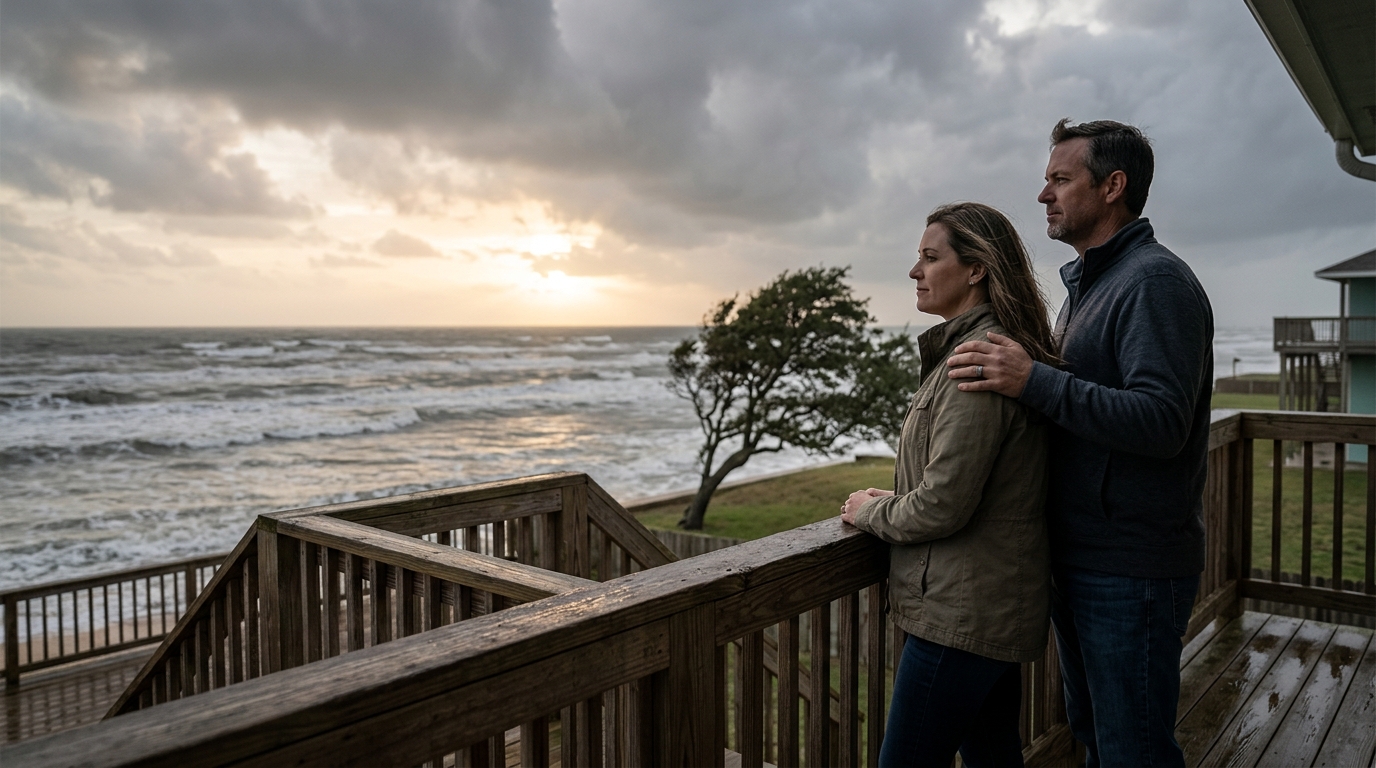
Homeowners in the Texas Gulf Coast face unique financial risks that directly impact their insurance costs. According to recent industry data, wind and hail damage accounts for a significant percentage of all property claims in coastal regions, driving premiums higher than in inland areas. Understanding these variables is essential for managing household budgets while maintaining adequate protection against severe weather events. (Home Flood amp Windstorm)
Structural Integrity and Construction
The physical characteristics of your home are the primary driver of your windstorm premium. Insurance carriers assess the roof's age, material, and attachment method to determine risk. Homes with newer roofs that meet current building codes often qualify for lower rates. Windstorm insurance provides coverage for damage caused by high winds, which is typically excluded from standard homeowners policies.
Roof Certification and Age
A roof that is less than three years old often receives a significant discount. Carriers require a roof certification to verify that the structure can withstand high-velocity winds. If the roof is older, you may face higher premiums or even denial of coverage. Windstorm Included Home Policy options are available for Texas Gulf Coast homeowners to simplify this process.
Construction Materials
Brick and concrete block homes generally cost less to insure than wood frame structures. This is because masonry offers superior resistance to wind pressure and debris impact. The type of siding and window protection also plays a critical role in the final price.
Location and Elevation Risks
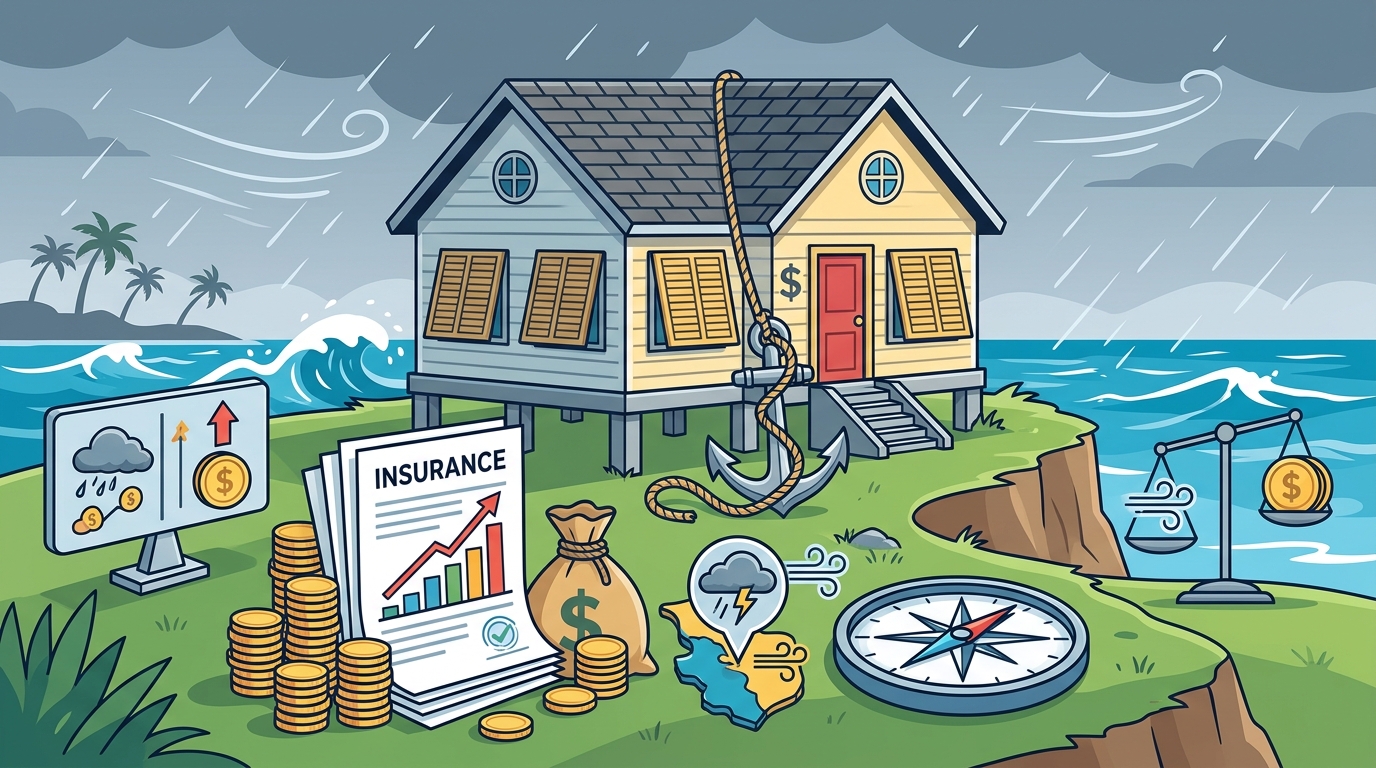
Your specific address determines the baseline risk level. Coastal communities are subject to higher wind speeds and storm surge threats. Insurance companies use detailed maps to classify zones based on historical weather data and projected storm paths.
Proximity to the Coast
Homes located within a few miles of the shoreline face the highest premiums. The closer you are to the water, the more severe the wind forces during a storm. Texas City and surrounding Gulf Coast communities have specific risk profiles that agents must navigate carefully.
Flood Zone Overlap
While windstorm insurance covers wind damage, flood insurance is required for properties in designated flood zones. These two policies often work in tandem. A home in a high-risk flood zone may also face higher windstorm premiums due to the combined threat profile. Flood insurance provides coverage for property damage caused by flooding, which is not included in standard policies.
Deductible Structures
Windstorm deductibles are calculated differently than standard homeowners deductibles. They are usually a percentage of the dwelling coverage limit rather than a flat dollar amount. This structure means that higher coverage limits result in higher out-of-pocket costs during a claim.
Percentage-Based Deductibles
Common windstorm deductibles range from 1% to 5% of the home's insured value. For a home insured at $300,000, a 2% deductible equals $6,000. Choosing a higher deductible can lower your premium, but it increases your financial exposure during a storm event.
Independent Deductibles
Some policies offer an independent windstorm deductible, meaning it applies separately from your standard deductible. This is crucial for coastal homeowners who want to ensure they are not paying double deductibles for a single storm event. Understanding your policy details is vital for accurate budgeting.
Coverage Limits and Endorsements
The amount of coverage you select directly impacts your premium. Building a robust policy with adequate limits ensures you can rebuild your home to current standards after a disaster. Underinsurance is a common pitfall that leaves homeowners with significant financial gaps.
Replacement Cost vs. Actual Cash Value
Replacement cost coverage pays to rebuild your home with new materials, while actual cash value accounts for depreciation. Replacement cost is more expensive but provides essential protection for coastal homeowners. Windstorm insurance protects your property from risks like wind and hail damage.
Additional Living Expenses
If your home is uninhabitable after a storm, additional living expenses cover hotel stays and meals. This coverage is a percentage of your dwelling limit. Ensuring this limit is sufficient prevents financial strain during displacement.
Policy Comparison Overview
Comparing different insurance options helps you find the best balance of cost and coverage. Below is a summary of common policy types available to coastal homeowners.
| Policy Type | Coverage Scope | Best For | Cost Factor |
|---|---|---|---|
| Standalone Windstorm | Wind and hail damage only | High-risk coastal zones | High |
| Windstorm Included Home | Comprehensive home coverage | General homeowners | Moderate |
| Flood Insurance | Water damage from flooding | Flood zone properties | Variable |
| Umbrella Insurance | Liability excess coverage | Asset protection | Low |
Key Takeaways
- Roof age and certification are the most significant factors in determining windstorm premiums.
- Proximity to the Texas Gulf Coast increases risk and raises insurance costs.
- Windstorm deductibles are typically a percentage of the dwelling coverage limit.
- Brad Spurgeon Insurance Agency has served Texas City since 1986, providing specialized coastal coverage.
- Standalone windstorm policies are often required for homes in high-risk coastal zones.
- Higher deductibles can lower monthly premiums but increase out-of-pocket claim costs.
- Regular policy reviews ensure your coverage keeps pace with rebuilding costs.
Frequently Asked Questions
What is windstorm insurance?
Windstorm insurance is a specialized policy that covers damage to your home caused by high winds and hail, which is typically excluded from standard homeowners insurance.
Why are windstorm premiums so high in Texas?
High premiums reflect the increased risk of severe weather events, including hurricanes and tropical storms, which are more frequent in coastal regions.
Does standard homeowners insurance cover wind damage?
In many high-risk coastal areas, standard policies exclude wind damage, requiring a separate windstorm policy or a specific endorsement to provide coverage.
How does roof age affect my premium?
Newer roofs are less likely to sustain damage during storms, so carriers offer lower premiums for homes with roofs that are less than three years old.
What is a windstorm deductible?
A windstorm deductible is a percentage-based amount you pay out of pocket before your insurance coverage begins for wind-related claims.
Can I bundle windstorm insurance with other policies?
Yes, many agencies offer bundled policies that combine home, auto, and flood insurance to simplify management and potentially reduce costs.
How often should I review my windstorm coverage?
You should review your coverage annually or after any major home improvement to ensure your dwelling limit reflects current rebuilding costs.
Get Your Custom Quote
Navigating the complexities of coastal insurance requires expert guidance. Brad Spurgeon Insurance Agency Inc. has been serving Texas City and the Gulf Coast since 1986. We specialize in helping homeowners secure the right windstorm and flood coverage. Contact us today to schedule a free consultation and protect your home with confidence.
Get a Free Insurance Quote