
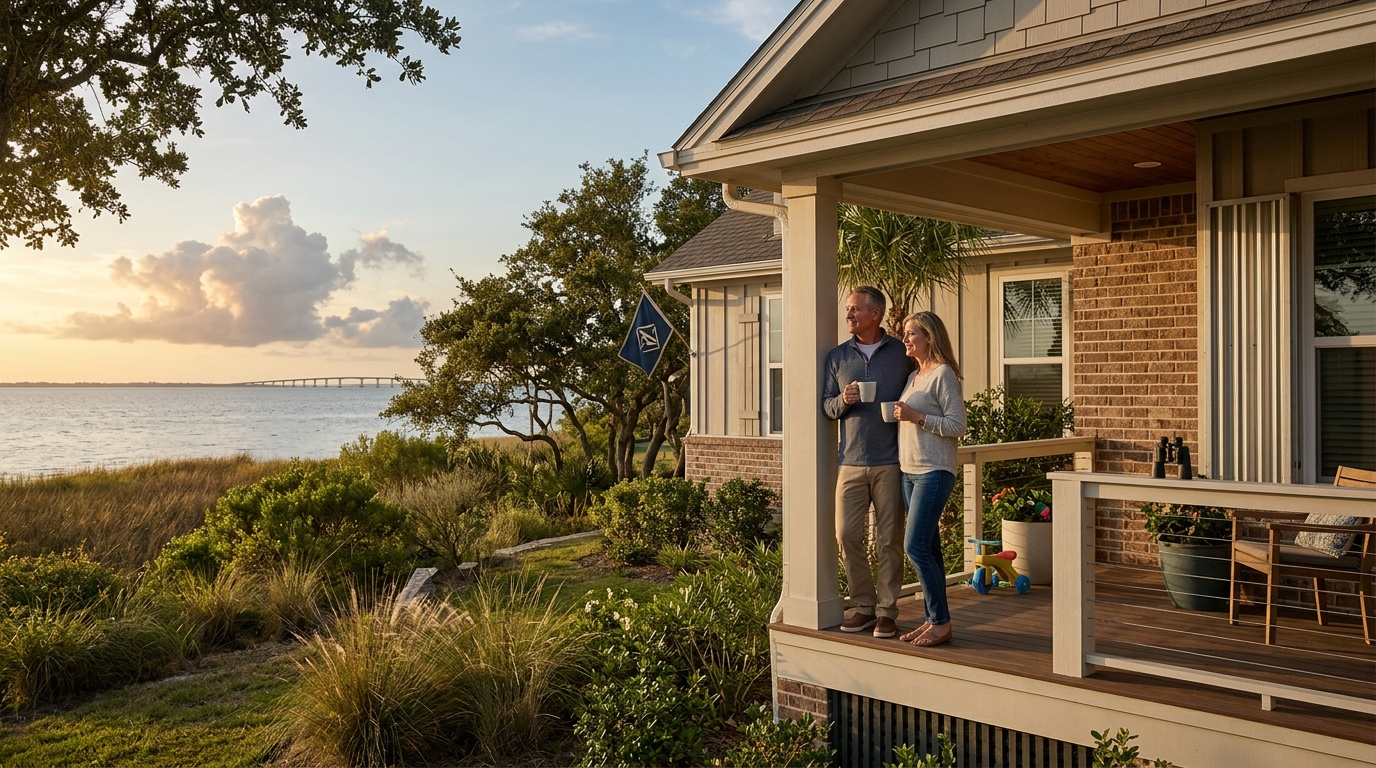
Standard homeowners insurance policies in Texas frequently exclude windstorm coverage due to the extreme risk profile of the Gulf Coast. This exclusion leaves property owners in Texas City and surrounding areas vulnerable to catastrophic financial loss from hurricanes and severe storms. According to recent industry data, over 60% of coastal properties in Texas require separate windstorm policies because standard carriers refuse to underwrite the risk. Navigating this gap requires understanding specialized state-backed insurance pools and private market alternatives. (Home Flood amp Windstorm)
Why Properties Become Ineligible for Standard Coverage
Windstorm insurance is a specialized form of property insurance that covers damage caused by high winds, hurricanes, and tornadoes. Standard homeowners policies in Texas often exclude this peril entirely, particularly in coastal counties. This exclusion is not arbitrary; it reflects the historical frequency and severity of storm events in the region.
Properties become ineligible for standard coverage due to several structural and geographic factors. First, the age of the home plays a critical role. Homes built before modern building codes were implemented often lack the structural integrity to withstand high-velocity winds. Second, the roof condition is a primary determinant. If a roof is older than ten years or has sustained previous storm damage, carriers may deem it uninsurable under standard terms.
Additionally, the proximity to the coast significantly impacts eligibility. Properties located within specific wind-borne debris regions face higher premiums and stricter underwriting guidelines. In these zones, the risk of debris impact during a hurricane is considered too high for conventional insurers to absorb without specialized risk pooling.
State-Backed Insurance Pools: The Last Resort
When private carriers decline to write a policy, property owners often turn to state-backed insurance pools. The Texas Windstorm Insurance Association (TWIA) is the primary entity providing this coverage. TWIA was established to ensure that windstorm insurance remains available to property owners in coastal Texas.
TWIA coverage is not a standard homeowners policy. It is a standalone policy that covers only the structure of the home and specific detached structures. It does not cover personal belongings, liability, or additional living expenses. This limitation means that homeowners must still maintain a separate homeowners policy for those protections.
Eligibility for TWIA is strictly regulated. Properties must be located within designated coastal counties, including Galveston, Brazoria, and Chambers. Furthermore, the home must meet specific construction standards. If a home fails to meet these standards, it may be denied coverage by TWIA, leaving the owner with very few options.
Private Market Windstorm Solutions
While TWIA is a critical safety net, private insurers are increasingly offering windstorm coverage for eligible properties. These policies often provide more comprehensive protection than TWIA, including coverage for personal property and liability. However, they come with higher premiums and stricter underwriting criteria.
Private windstorm policies are designed for properties that meet modern building codes and have robust structural integrity. Insurers may require a wind mitigation inspection to verify that the home has impact-resistant windows, reinforced roof-to-wall connections, and other storm-hardening features.
For properties that do not qualify for private coverage, specialized carriers may offer "surplus lines" policies. These policies are written by non-admitted carriers and are regulated differently than standard insurance. They often come with higher costs and less consumer protection, but they provide a vital option for high-risk properties.
Meeting Strict Eligibility Requirements
Securing windstorm insurance requires meeting specific eligibility criteria. These requirements vary depending on whether you are applying through TWIA or a private carrier. Understanding these requirements is the first step in the application process.
For TWIA, the property must be located in a designated coastal county. The home must be primarily used as a residence. Commercial properties and vacant lots are generally not eligible. Additionally, the property must not be located in a flood zone that requires mandatory flood insurance, although this rule has evolved over time.
Private carriers have their own set of requirements. They may require a recent wind mitigation inspection. They may also require that the home has a certain age, or conversely, that it is newly constructed. The condition of the roof is often the most critical factor. A roof that is less than ten years old and in good condition is more likely to be accepted.
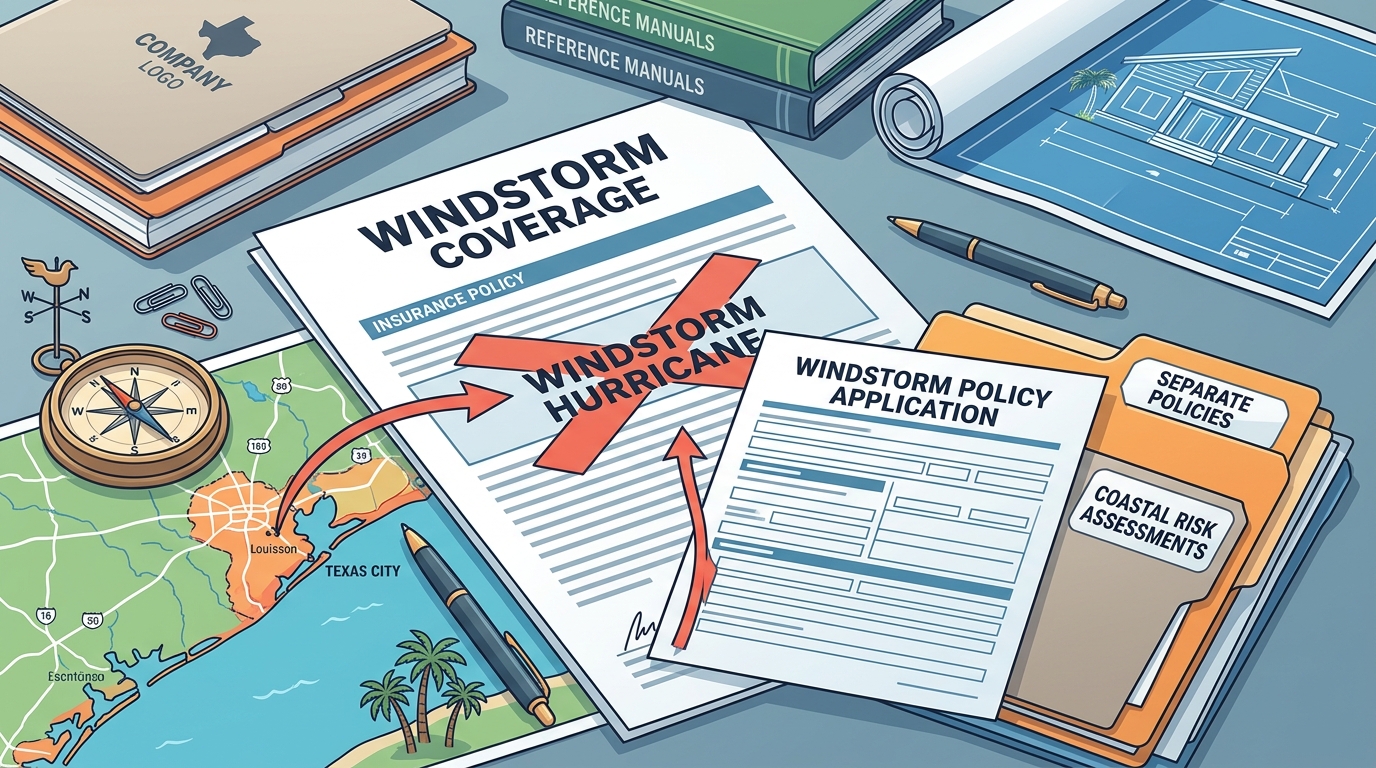
Comparing Coverage Options
Choosing the right windstorm insurance policy depends on your property's specific characteristics and your budget. The table below summarizes the key differences between TWIA and private windstorm policies.
| Feature | Texas Windstorm Insurance Association (TWIA) | Private Windstorm Policies |
|---|---|---|
| Coverage Scope | Structure only (dwelling and detached structures) | Structure, personal property, and liability |
| Eligibility | Strict coastal county boundaries and construction standards | Varies by carrier; often requires wind mitigation inspection |
| Premium Cost | Generally lower, but subject to state-regulated rates | Higher, reflecting market risk and comprehensive coverage |
| Claims Process | State-managed, can be slower during major storms | Carrier-managed, often faster for individual claims |
| Flood Coverage | Not included; requires separate flood insurance | Not included; requires separate flood insurance |
Understanding these differences is crucial for making an informed decision. If your property is ineligible for private coverage, TWIA may be your only option. However, if you qualify for private coverage, the additional protections may be worth the higher cost.
Key Takeaways
- Standard Exclusions: Most standard homeowners policies in Texas exclude windstorm coverage, necessitating a separate policy.
- TWIA Role: The Texas Windstorm Insurance Association provides essential coverage for coastal properties that cannot secure private insurance.
- Structural Integrity: Roof age and condition are primary factors in determining eligibility for both TWIA and private carriers.
- Geographic Limits: Coverage is generally limited to designated coastal counties in Texas.
- Inspections: Wind mitigation inspections are often required to prove a home's ability to withstand high winds.
- Flood Gap: Neither windstorm policy covers flood damage; separate flood insurance is mandatory in many areas.
- Agency Expertise: Working with a specialized agency like Brad Spurgeon Insurance Agency Inc. can help navigate complex eligibility requirements.
Frequently Asked Questions
What is windstorm insurance?
Windstorm insurance is a specialized policy that covers damage to your home caused by high winds, hurricanes, and tornadoes. It is distinct from standard homeowners insurance, which often excludes this peril.
Why is my property ineligible for standard homeowners insurance?
Properties may be ineligible due to their location in high-risk coastal zones, the age of the home, or the condition of the roof. Carriers view these factors as increasing the likelihood of severe storm damage.
Can I get windstorm insurance if I live in a flood zone?
Yes, but you must purchase separate flood insurance. Windstorm insurance does not cover flood damage. In many coastal areas, flood insurance is required by lenders if the property is in a designated flood zone.
What is the Texas Windstorm Insurance Association (TWIA)?
TWIA is a state-backed insurance pool that provides windstorm coverage to property owners in coastal Texas who cannot find coverage in the private market. It covers only the structure of the home.
How do I qualify for TWIA coverage?
To qualify for TWIA, your property must be located in a designated coastal county and meet specific construction standards. You may need to provide proof of construction or undergo an inspection.
What is a wind mitigation inspection?
A wind mitigation inspection is a detailed evaluation of your home's storm-hardening features. It assesses elements like the roof, windows, and doors to determine how well the home can withstand high winds.
Do I need both windstorm and flood insurance?
In most coastal areas, yes. Windstorm insurance covers wind damage, while flood insurance covers water damage from rising water. They are complementary policies that address different risks.
Secure Your Coverage Today
Securing windstorm insurance for an ineligible property requires expert guidance. At Brad Spurgeon Insurance Agency Inc., we specialize in helping Texas Gulf Coast homeowners navigate the complex landscape of windstorm and flood insurance. Our team understands the unique challenges of coastal insurance and can help you find the right coverage for your needs.
Whether you need a quote for windstorm insurance, flood insurance, or a comprehensive homeowners policy, we are here to help. Contact us today to schedule a free consultation and ensure your property is protected against the next storm.
Get a Home Insurance Quote | Get a Flood Insurance Quote | Get a Windstorm Insurance Quote