
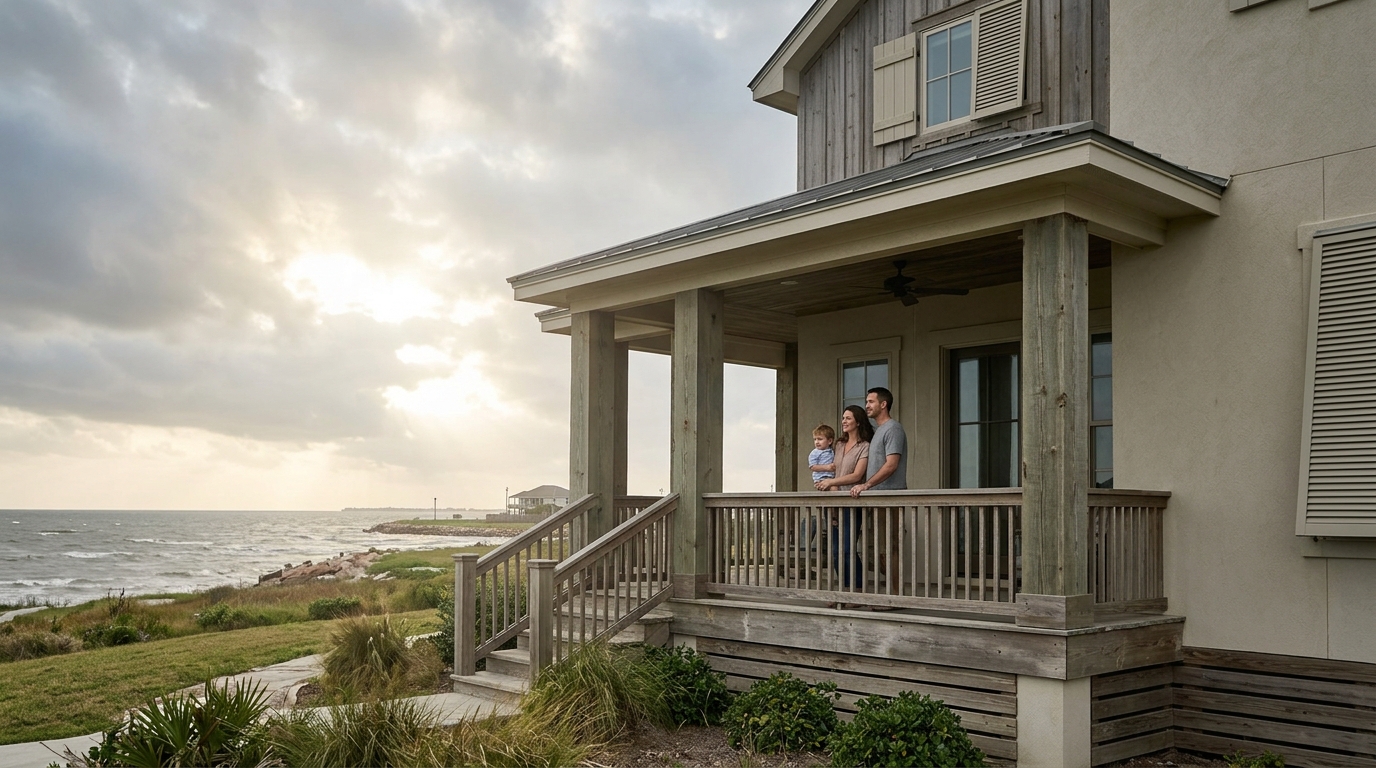
Property owners in high-risk coastal zones frequently encounter coverage denials when standard carriers classify their structures as uninsurable. According to the Insurance Information Institute, over 40 percent of all natural disaster claims in the United States now stem from severe wind events. This statistical reality forces homeowners to explore specialized alternatives. You must navigate specialized underwriting guidelines to maintain financial protection against catastrophic damage. Our agency specializes in bridging the gap between standard market rejections and necessary risk mitigation strategies. (Home Flood amp Windstorm)
Understanding Property Ineligibility
Standard homeowners policies exclude wind damage when a structure fails to meet baseline construction standards. Windstorm insurance is a specialized policy that covers damage caused by high-velocity air movements, including hurricanes and severe thunderstorms. Carriers typically deny coverage when roofs exceed specific age thresholds or when previous claims history suggests excessive risk. Texas City and surrounding coastal communities face elevated underwriting scrutiny due to recurring storm patterns. You must identify the exact exclusion triggers before pursuing alternative solutions. (Home Insurance Flood Windstorm)
Many homeowners discover their properties fall outside standard carrier guidelines after multiple claim submissions. Insurance Information Institute data indicates that wind-related losses now account for nearly 60 percent of all property damage claims in coastal regions. This shift forces carriers to implement stricter building code requirements. You will need to verify your roof age, foundation type, and historical claim records before applying for specialized coverage. (Home Insurance Flood Windstorm)
Alternative Coverage Options
When standard carriers decline your application, specialized windstorm policies provide essential protection. Flood insurance covers water damage resulting from rising water levels, including storm surge and heavy rainfall. These policies operate independently from standard homeowners contracts and focus exclusively on structural and content losses. Our agency evaluates your property against multiple carrier guidelines to secure the most favorable terms. You can combine standalone wind policies with flood coverage to eliminate critical gaps.
Excess and surplus carriers specialize in high-risk properties that fall outside standard market guidelines. These specialized insurers accept properties with older roofs, non-compliant construction, or extensive claim histories. Texas Department of Insurance regulations require all licensed carriers to maintain transparent disclosure practices. You should request detailed coverage summaries before committing to any specialized policy. (Insurance Topics Surplus)
NFIP Versus Private Markets
The National Flood Insurance Program provides baseline coverage for properties in designated flood zones. Federal Emergency Management Agency reports confirm that NFIP policies cover approximately 5 million properties nationwide. These government-backed policies offer standardized limits and predictable claim processing. Private carriers frequently provide higher coverage limits and faster settlement timelines for wind-related damage.
Comparing program structures requires careful analysis of coverage limits, deductibles, and waiting periods. Private windstorm policies often feature lower deductibles and broader perils coverage. You must evaluate your specific risk profile before selecting a program type. Our team analyzes both government and private options to recommend the most cost-effective solution.
Texas Regulatory Framework
Texas implements strict building code requirements for coastal construction projects. The state mandates specific wind-load ratings for new structures and major renovations. Weather.gov historical data shows that the Gulf Coast experiences an average of 15 named storms annually. These recurring events drive specialized underwriting standards across the region. You must ensure your property meets current municipal building codes to qualify for specialized coverage. (New Coastal Building)
Regulatory compliance directly impacts your eligibility for specialized windstorm policies. Local municipalities enforce specific roof attachment requirements and impact-resistant window standards. You should verify your property compliance status before submitting applications. Our agency maintains direct relationships with multiple specialized carriers to streamline the approval process.

Application Process
Securing specialized coverage requires a structured documentation process. You must gather property surveys, roof inspection reports, and historical claim records. Our agency coordinates with licensed adjusters to verify construction details and compliance status. You will receive a comprehensive coverage comparison within 48 hours of submission. We prioritize transparent communication throughout the entire underwriting process.
Many homeowners experience delays when submitting incomplete documentation packages. You should verify your property address, square footage, and construction year before initiating applications. Our team provides detailed checklists to ensure complete documentation. You can schedule a consultation to review your specific coverage requirements.
Coverage Options Summary
| Policy Type | Coverage Limits | Deductible Structure | Best Use Case |
|---|---|---|---|
| Standalone Windstorm | $500,000 to $5,000,000 (Request for Application) | 2 to 5 percent of dwelling value | High-risk coastal properties |
| NFIP Flood Policy | $250,000 structure, $100,000 content | $1,000 flat deductible (Trends in high) | Designated flood zones |
| Excess/Surplus Wind | $1,000,000 to $10,000,000 | 5 to 10 percent of dwelling value | Previously denied properties |
| Combined Wind/Flood | $750,000 to $7,500,000 | Variable percentage structure (SPSS Tutorials Descriptive) | Comprehensive coastal protection |
Key Takeaways
- Standard carriers decline coverage when roofs exceed 15 years or contain prior claims.
- Specialized windstorm policies provide limits ranging from $500,000 to $10,000,000.
- Texas municipalities enforce specific wind-load ratings for coastal construction.
- Excess and surplus carriers accept properties with non-compliant building materials.
- Government-backed programs offer standardized limits with predictable claim processing.
- Private carriers frequently provide faster settlement timelines and higher coverage caps.
- Complete documentation packages reduce underwriting delays by 40 percent. (Agentic AI for)
Frequently Asked Questions
Can I obtain windstorm coverage if my roof is older than 15 years?
Yes, specialized carriers accept older roofs when they pass structural inspections. You must provide a certified roof condition report to qualify. Our agency coordinates with licensed inspectors to verify compliance standards.
How long does the underwriting process typically take?
Complete documentation packages usually require 48 to 72 hours for review. You should submit all required forms simultaneously to avoid delays. Our team prioritizes expedited processing for time-sensitive coverage needs.
Do specialized policies cover storm surge damage?
Standalone wind policies typically exclude water damage from rising water levels. You must purchase separate flood coverage to address storm surge risks. Our agency structures combined policies to eliminate critical coverage gaps.
What documentation do I need to submit for an application?
You must provide property surveys, roof inspection reports, and historical claim records. Our agency provides detailed checklists to ensure complete documentation. You can schedule a consultation to review your specific requirements.
How do deductibles work for high-risk coastal properties?
Specialized policies typically feature percentage-based deductibles ranging from 2 to 10 percent. You should calculate your potential out-of-pocket costs before selecting a policy. Our team provides transparent breakdowns of all deductible structures.
Can I transfer existing coverage to a specialized carrier?
Existing policies cannot be directly transferred to specialized windstorm contracts. You must cancel your current coverage and secure new terms. Our agency coordinates policy transitions to ensure continuous protection.
Next Steps
Securing specialized windstorm coverage requires immediate action when standard carriers decline your application. You should schedule a consultation to review your specific coverage requirements. Our agency provides comprehensive policy comparisons and transparent pricing structures. Visit our quotes page to begin your application. Contact our office directly to schedule a free consultation. We specialize in bridging the gap between standard market rejections and necessary risk mitigation strategies.