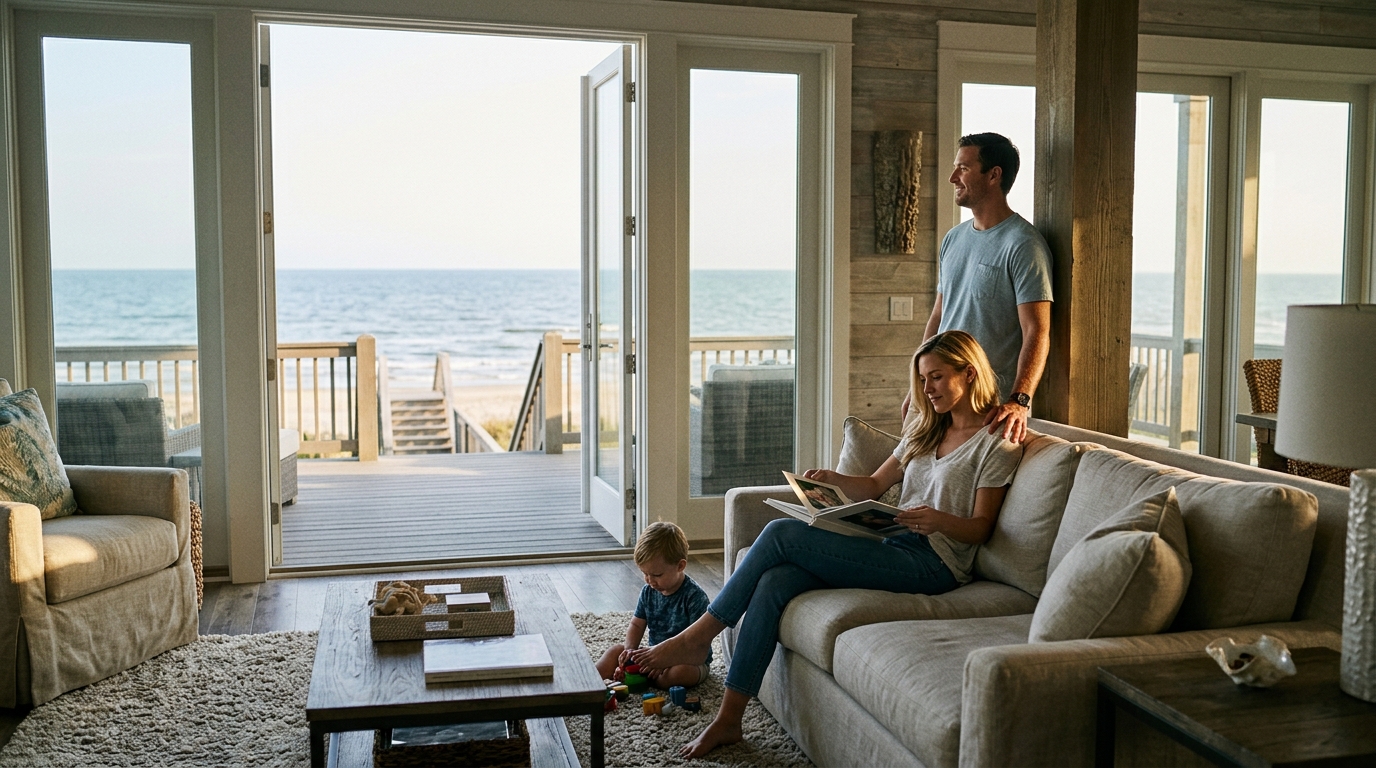
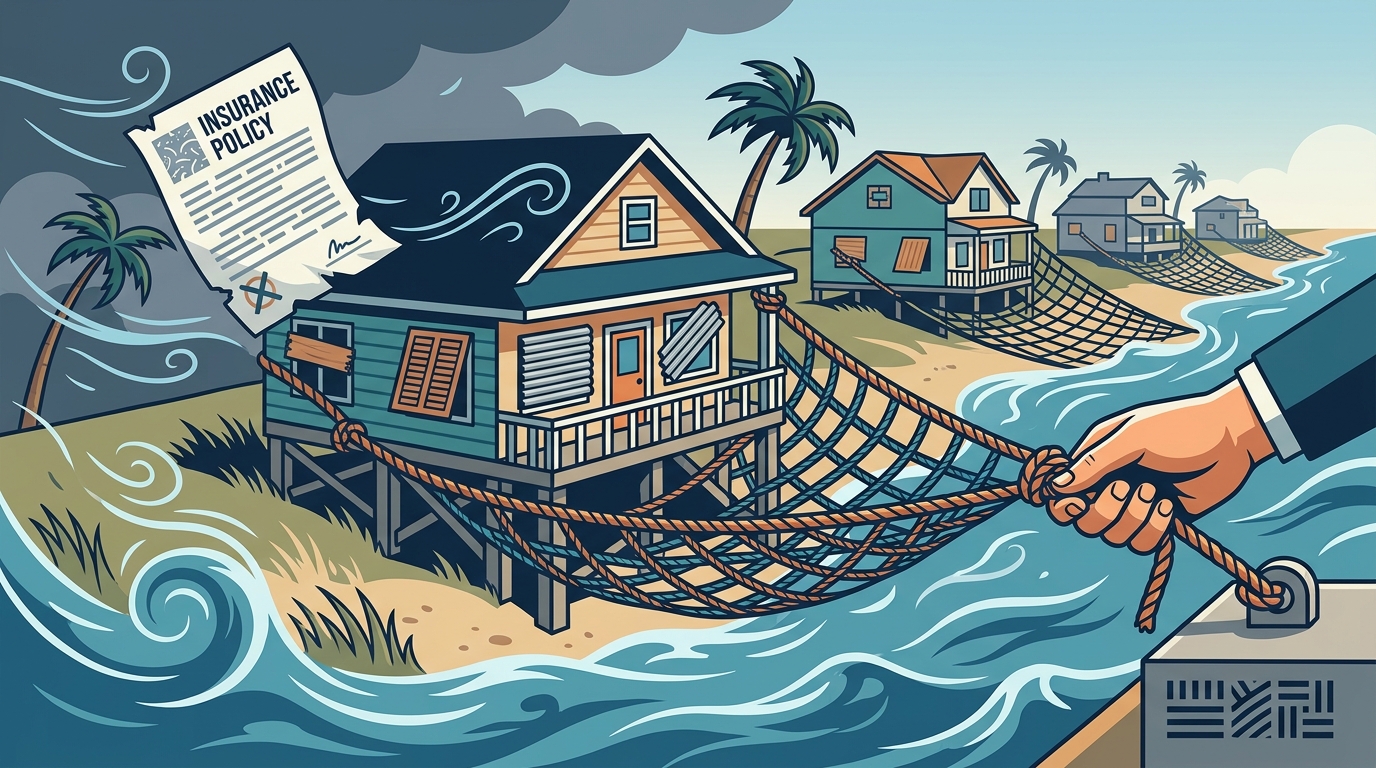
Surplus lines insurers provide a critical safety net for Texas homeowners whose properties are rejected by standard admitted carriers. These specialized insurers step in when standard windstorm policies are unavailable due to high risk, offering tailored coverage that protects coastal homes from catastrophic storm damage. For residents in Galveston and Texas City, this market is often the only viable option for securing essential protection.
Defining the Surplus Lines Market
Surplus lines insurance is a supplemental market of insurance companies that do not hold a certificate of authority to write insurance in a specific state. Unlike standard admitted insurers, these companies operate outside the typical regulatory framework of the state where the policy is issued. This distinction allows them to underwrite risks that standard carriers deem too volatile or expensive to cover.
In the context of Texas windstorm coverage, this market serves as a vital alternative for high-risk properties. Standard homeowners policies often exclude wind and hail damage in coastal counties, leaving a gap that surplus lines insurers are designed to fill. By operating in this space, they ensure that even the most vulnerable homes have access to financial protection against hurricane-force winds. according to Surplus Lines FAQ
Why Standard Carriers Reject Coastal Properties
Standard insurance carriers frequently reject properties in designated coastal counties due to strict underwriting guidelines. Factors such as an aging roof, proximity to the shoreline, or a history of frequent claims can trigger automatic denials. For example, many carriers will decline coverage if a roof is older than ten years unless a detailed inspection proves its structural integrity.
These rejections are not arbitrary; they reflect the genuine financial risk posed by severe weather events. When a property is deemed ineligible for standard coverage, homeowners often find themselves in a precarious position. Without a clear path to insurance, they may face legal and financial challenges, particularly if a lender requires proof of coverage for a mortgage. Understanding these rejection criteria is the first step in navigating the surplus lines market.
How Surplus Lines Insurers Underwrite High-Risk Homes
Surplus lines insurers utilize sophisticated risk models to evaluate properties that standard carriers avoid. They have the infrastructure to underwrite windstorm policies for homes with specific risk factors, such as older construction or limited mitigation features. This flexibility allows them to offer coverage where the admitted market has withdrawn.
However, this process often requires more documentation and proactive mitigation from the homeowner. Carriers in this market may require proof of compliance with windstorm building codes, such as a WPI-8 certificate. This certificate, issued by the Texas Department of Insurance, confirms that a home meets specific structural standards. By demonstrating risk reduction through upgrades and certifications, homeowners can improve their eligibility and potentially secure more favorable terms.
The Role of Independent Agencies in Navigating the Market
Independent insurance agencies play a crucial role in connecting homeowners with surplus lines options. Agencies like Brad Spurgeon Insurance Agency specialize in navigating the complexities of the Texas Gulf Coast insurance landscape. They help clients understand their specific risk profile and identify carriers that can provide the necessary coverage.
Working with a specialized agency ensures that homeowners are not left to navigate the surplus lines market alone. These professionals can guide clients through the application process, help gather required documentation, and negotiate terms that fit their budget. For residents in Galveston and Texas City, this expertise is invaluable in securing the protection they need. according to Pennsylvania Surplus Lines
Key Takeaways
- Surplus lines insurers provide coverage for high-risk properties rejected by standard admitted carriers.
- These insurers operate outside the standard regulatory framework, allowing them to underwrite volatile risks.
- Common reasons for rejection include aging roofs, proximity to the coast, and claim history.
- Homeowners can improve eligibility by implementing mitigation upgrades and obtaining necessary certifications.
- Independent agencies are essential for navigating the surplus lines market and securing appropriate coverage. according to Excess Surplus Lines
- Surplus lines policies must be clearly identified as such on the declaration page.
Frequently Asked Questions
What is a surplus lines insurer?
A surplus lines insurer is a company that does not hold a certificate of authority to write insurance in a specific state but is authorized to provide coverage for risks that standard carriers will not accept.
Why would my home be rejected by standard windstorm policies?
Homes are often rejected due to high-risk factors such as aging roofs, proximity to the shoreline, or a history of frequent claims that exceed a carrier's risk appetite.
Do surplus lines insurers cover flood damage?
Surplus lines insurers typically cover wind and hail damage. Flood coverage is usually a separate policy, often provided through the National Flood Insurance Program or private flood insurers.
How can I find a surplus lines insurer for my home?
Working with an independent insurance agency is the most effective way to find a surplus lines insurer. These agencies have access to multiple carriers and can navigate the application process on your behalf.
Is a WPI-8 certificate required for surplus lines coverage?
While not always mandatory for every surplus lines policy, a WPI-8 certificate can significantly improve eligibility and may be required by certain carriers or lenders for properties in designated coastal counties.