
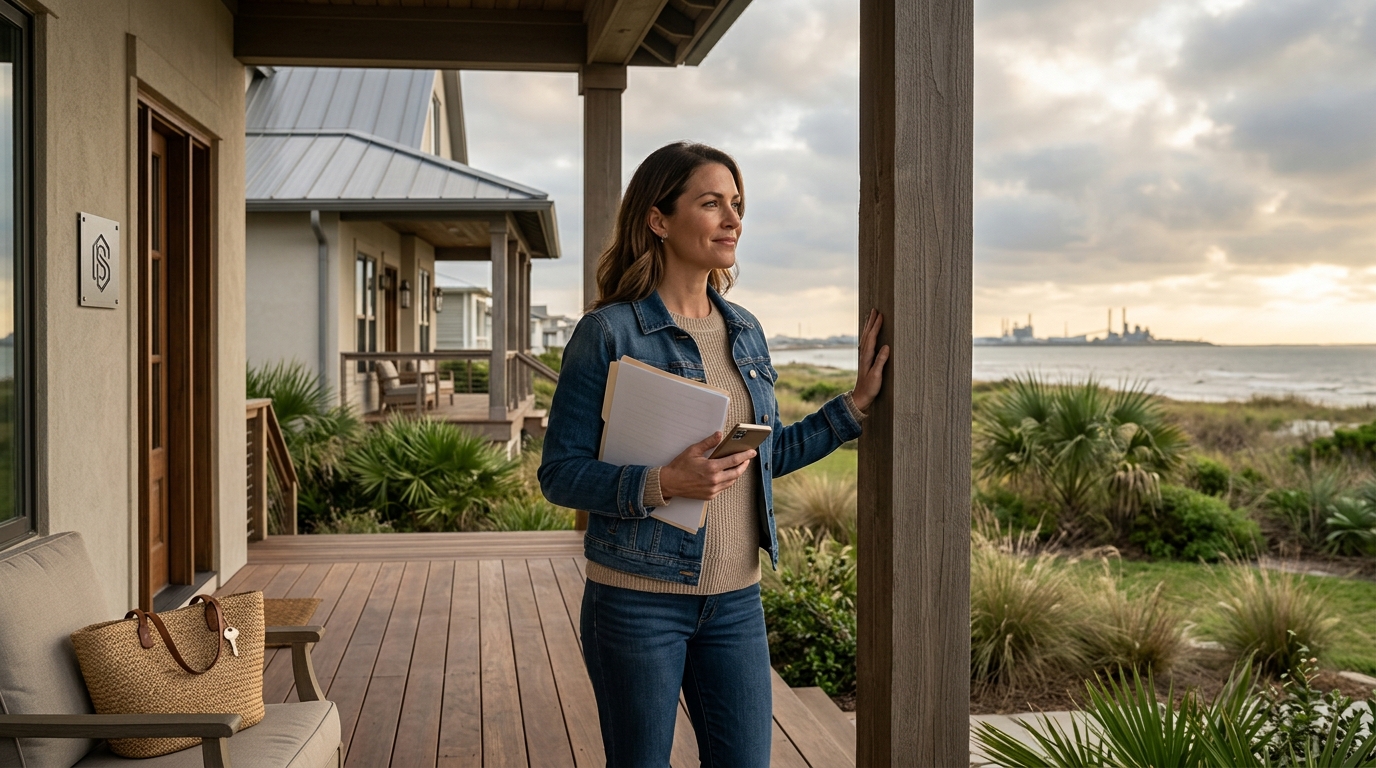
Homeowners in coastal regions face a unique and escalating threat. According to recent industry data, wind-related claims have surged significantly over the last decade, leading many standard carriers to withdraw from high-risk markets. This shift leaves property owners in Texas and similar zones without automatic coverage. The gap in protection is not just a financial risk. It is a structural vulnerability that can lead to total asset loss during hurricane season. This guide explains how to navigate the insurance landscape when your primary insurer denies windstorm coverage.
Understanding Why Standard Policies Exclude Wind
Standard homeowners insurance policies often contain exclusions for wind damage. This is particularly true in states like Texas, where the frequency of severe weather events is high. Insurers classify these areas as high-risk zones. When the risk of loss exceeds the premium income, carriers may refuse to write windstorm coverage or may require it to be purchased separately.
Windstorm insurance is a specific type of coverage that protects your home against damage caused by high winds, hail, and tornadoes. It is distinct from the standard peril coverage found in many base policies. If your property is deemed ineligible for standard wind coverage, it does not mean you are uninsured. It means you must seek specialized carriers who operate in the surplus lines market.
These specialized carriers are licensed to sell insurance to high-risk clients who cannot find coverage in the standard market. They assess risk based on specific structural details and location data. Understanding this distinction is the first step toward securing your property. You can learn more about the specific windstorm insurance options available in Texas City and surrounding areas.
Distinguishing Flood Coverage from Windstorm Protection
A common misconception among homeowners is that flood insurance covers wind damage. This is incorrect. Flood insurance, typically provided through the National Flood Insurance Program (NFIP) or private carriers, covers water damage from rising water levels. It does not cover structural damage caused by high winds.
Windstorm insurance covers the physical structure of your home and your personal belongings against wind-driven debris, roof damage, and siding failure. Flood insurance covers water intrusion from external sources. You need both types of coverage to be fully protected in a coastal environment. Relying on one without the other leaves significant gaps in your financial safety net.
For properties in flood zones, obtaining separate flood insurance quotes is just as critical as securing wind coverage. The two policies work in tandem during a storm event. A hurricane often brings both high winds and storm surge. Ensuring you have distinct policies for each peril is essential for comprehensive risk management.
Navigating Secondary and Surplus Lines Markets
When standard carriers decline windstorm coverage, you must turn to the surplus lines market. These are non-admitted insurers that are not bound by the same rate filings as standard carriers. They have the flexibility to write policies for high-risk properties. However, this flexibility comes with higher premiums and stricter underwriting guidelines.
Working with a local agency is crucial in this process. Local agents understand the specific underwriting appetite of surplus lines carriers in your region. They know which carriers are currently writing new business in your zip code. This knowledge can save you time and ensure you get the best possible rate. You can explore our home insurance services to see how we connect clients with these specialized markets.
The application process for surplus lines insurance is rigorous. Underwriters will require detailed information about your property. This includes the age of the roof, the type of construction, and any previous claims history. Being prepared with this documentation can speed up the quoting process. It also demonstrates to the insurer that you are a proactive risk manager.
Mitigation Strategies to Improve Eligibility
Homeowners can take specific steps to improve their eligibility for windstorm insurance. These actions, known as mitigation, reduce the risk of damage and can lower your premium. One of the most effective strategies is upgrading your roof. A roof that meets current wind-resistant building codes is more likely to be approved by surplus lines carriers.
Installing impact-resistant windows and doors is another powerful mitigation strategy. These features prevent wind-driven debris from breaching the building envelope. This reduces the likelihood of interior water damage and structural failure. Many insurers offer discounts for these upgrades. You should request a free consultation to discuss which upgrades provide the best return on investment.
Regular maintenance is also a key factor. Clearing gutters, trimming trees, and securing outdoor items can reduce the risk of damage. Insurers view well-maintained properties as lower risk. This can make a difference in whether you are accepted for coverage and at what price point. Documenting these improvements with photos and receipts is highly recommended.
Comparing Windstorm Policy Options
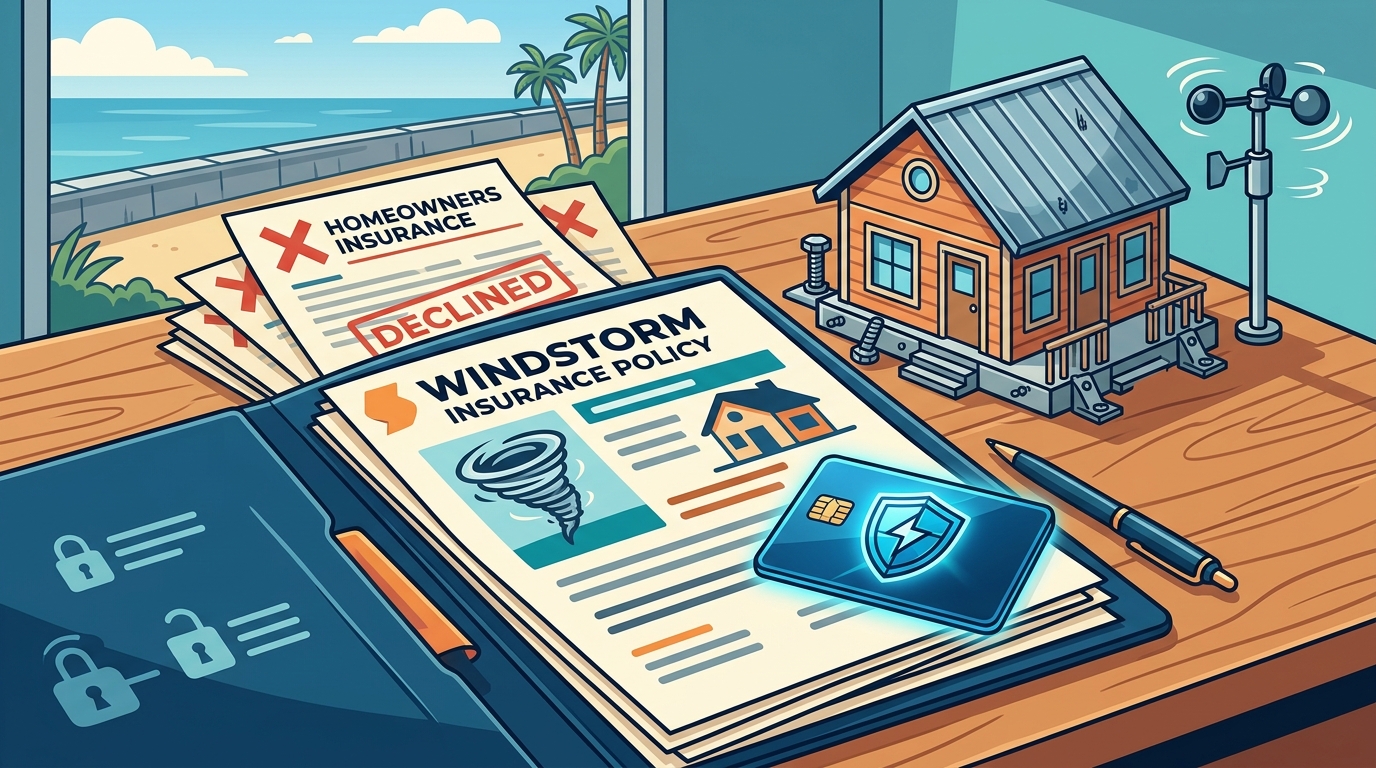
Not all windstorm policies are created equal. Understanding the differences between standard, high-risk, and surplus lines options is vital. The table below outlines the key distinctions to help you make an informed decision.
| Policy Type | Availability | Cost | Coverage Scope |
|---|---|---|---|
| Standard Homeowners | Low Risk Zones | Low to Moderate | Includes wind in most cases |
| High-Risk Policy | Coastal Zones | Moderate to High | Wind included, higher deductibles |
| Surplus Lines | Any Zone | High | Comprehensive wind coverage |
| NFIP Flood Only | Flood Zones | Moderate | Water damage only, no wind |
Choosing the right policy depends on your specific location and risk profile. A property in a high-risk zone may require a surplus lines policy. A property in a moderate-risk zone might qualify for a high-risk standard policy. Our team can help you get a windstorm insurance quote tailored to your needs.
Key Takeaways for Policyholders
- Standard homeowners policies often exclude wind damage in high-risk coastal areas.
- Flood insurance does not cover wind damage. You need separate windstorm coverage.
- Surplus lines carriers are the primary source for wind coverage in ineligible zones.
- Roof upgrades and impact-resistant windows can improve eligibility and lower premiums.
- Local agents have access to specialized markets that online tools may miss.
- Documentation of property improvements is essential for underwriting approval.
- Review your policy annually to ensure coverage keeps pace with rebuilding costs.
Frequently Asked Questions
What is windstorm insurance?
Windstorm insurance is a specific coverage that protects your home against damage caused by high winds, hail, and tornadoes. It is often excluded from standard homeowners policies in coastal regions.
Why was my windstorm coverage denied?
Denials usually occur because the property is located in a high-risk zone. Carriers may also deny coverage due to the age of the roof or a history of previous claims.
Can I get windstorm insurance if I live in a flood zone?
Yes. You can obtain windstorm insurance even if you are in a flood zone. However, you will also need separate flood insurance to cover water damage.
How do surplus lines carriers differ from standard insurers?
Surplus lines carriers are non-admitted insurers that can write policies for high-risk clients. They are not bound by standard rate filings, which allows for more flexible underwriting.
Does flood insurance cover wind damage?
No. Flood insurance covers water damage from rising water levels. It does not cover structural damage caused by high winds or wind-driven debris.
What documents do I need to apply for windstorm insurance?
You will need a property survey, roof age documentation, and details about any previous insurance claims. Impact-resistant feature certificates can also help.
How can I lower my windstorm insurance premium?
You can lower premiums by installing mitigation features like hurricane shutters or a reinforced roof. Maintaining a claims-free history also helps.
Secure Your Coverage Today
Do not wait for the next storm to realize you are unprotected. Securing windstorm insurance when your property is ineligible for standard coverage requires expert guidance. Our team at Private Windstorm specializes in connecting Texas homeowners with the right surplus lines carriers. We navigate the complex landscape of high-risk insurance to ensure you have the protection you need.
Contact us today to discuss your specific situation. We can help you find a policy that fits your budget and provides comprehensive coverage. Visit our contact page to schedule a consultation. Protect your home and your peace of mind with the right insurance partner.