
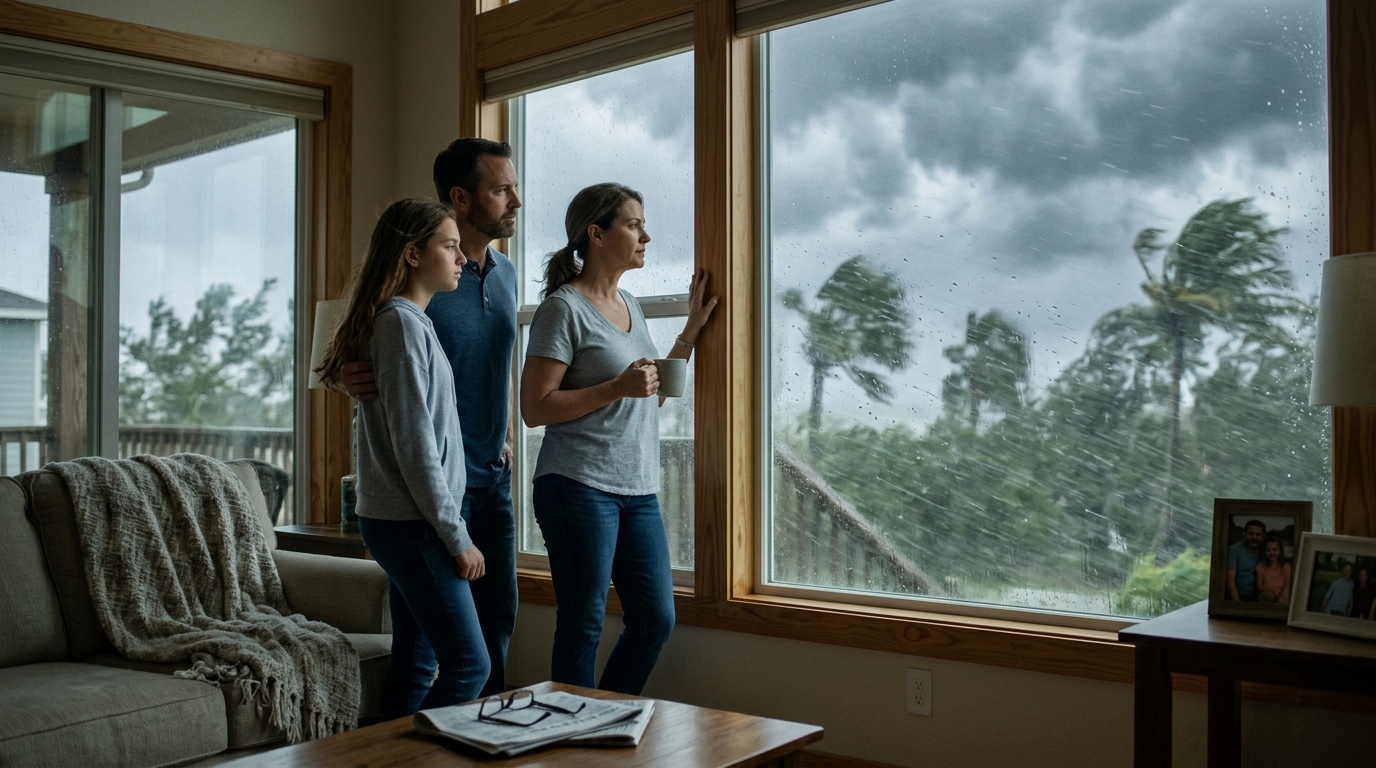
Homeowners in coastal regions face unique risks that standard policies often ignore. According to the National Oceanic and Atmospheric Administration (NOAA), the United States has experienced over 200 billion-dollar weather and climate disasters since 1980, with wind-related events accounting for a significant portion of those costs. This data highlights why understanding the gap between standard homeowners insurance and specialized windstorm coverage is critical for financial protection. Many property owners assume their base policy handles all wind damage, only to discover devastating exclusions when a storm hits. This guide clarifies exactly what private windstorm insurance covers, how it interacts with your existing policy, and the specific steps you must take to ensure your home is protected against named hurricanes and tropical storms. (Study Rising Seas)
What Is Windstorm Coverage?
Windstorm insurance is a specialized policy or endorsement designed to protect your property against damage caused by high winds. Windstorm insurance is a policy that covers structural damage to your home and personal belongings resulting from wind speeds that exceed standard thresholds. Unlike standard homeowners insurance, which may exclude or limit wind coverage in high-risk coastal areas, a dedicated windstorm policy fills this critical gap.
In regions like Texas City, TX, where the Gulf Coast exposes properties to frequent weather systems, standard policies often contain specific exclusions for wind and hail. This is where private windstorm insurance becomes essential. It ensures that whether the damage comes from a sudden gust or a prolonged storm system, you have a financial safety net. Without this coverage, you could be responsible for tens of thousands of dollars in roof repairs, siding replacement, and structural stabilization.
At Private Windstorm, we specialize in navigating these complex insurance landscapes. Our team helps clients understand the nuances of wind coverage so they are not left vulnerable when a storm approaches. We work with multiple carriers to find the most robust coverage options available for your specific location.
Standard Policy Exclusions Explained
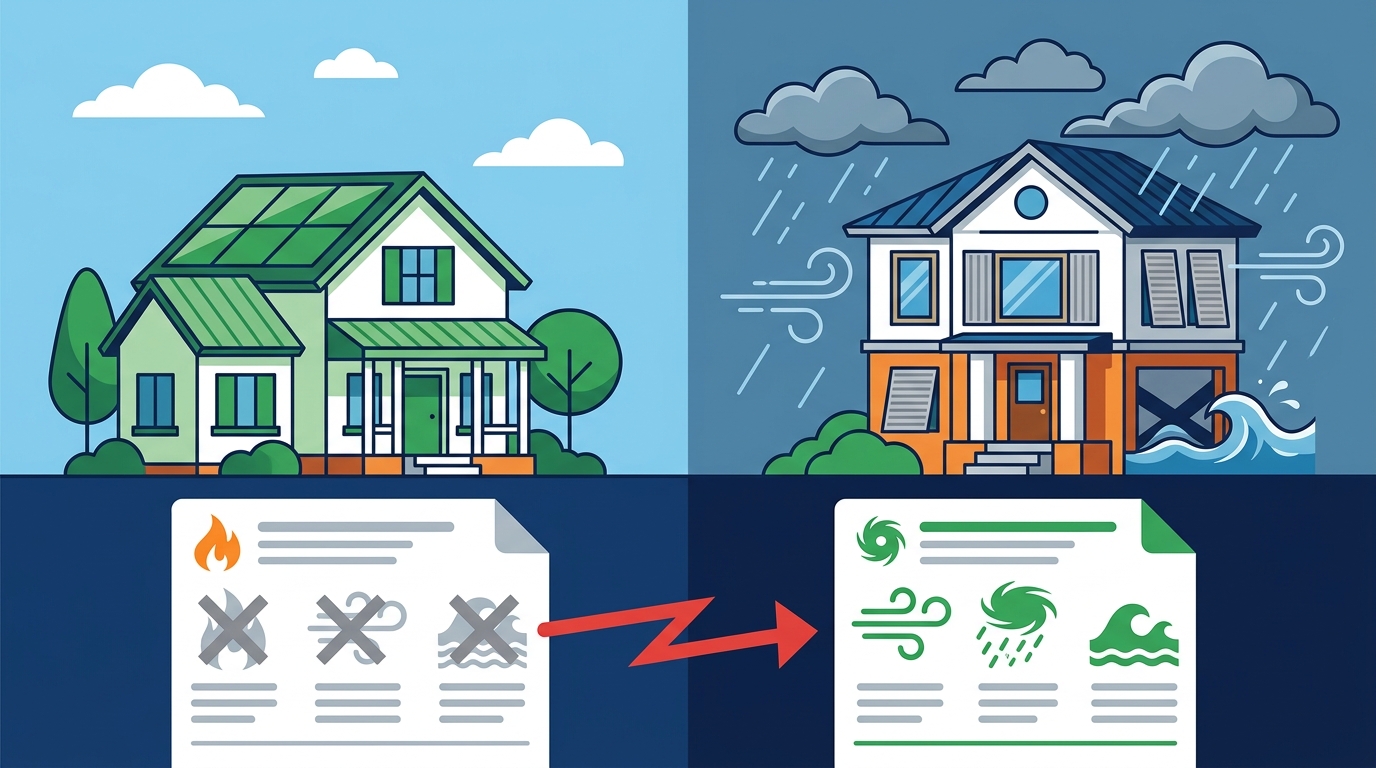
Many homeowners are shocked to learn that their standard homeowners insurance policy does not automatically cover all wind damage. In many coastal states, insurance carriers exclude wind and hail coverage entirely from base policies. This exclusion is a risk management strategy used by insurers to limit their exposure to frequent and costly claims in hurricane-prone zones.
If you live in a high-risk area, your standard policy might look like this:
- Base Coverage: Covers fire, theft, and liability.
- Wind Exclusion: Explicitly denies claims for damage caused by wind speeds over a certain threshold.
- Endorsement Option: Some policies allow you to add wind coverage back in, but often at a high premium or with strict deductibles.
Private windstorm insurance acts as a standalone policy or a critical endorsement that reinstates this coverage. It is not a substitute for homeowners insurance but rather a necessary complement. For more details on how our agency structures these policies, visit our Home Insurance page.
Named vs. Non-Named Storms
A common question among policyholders is whether coverage applies to both named hurricanes and unnamed tropical storms. The answer depends on the specific terms of your policy, but most comprehensive windstorm policies cover both.
A named hurricane is a tropical cyclone that has been assigned a specific name by the National Hurricane Center. These storms are well-documented and often have high wind speeds. A tropical storm is a weather system with sustained winds between 39 and 73 mph. While less intense than a hurricane, tropical storms can still cause significant damage through wind, rain, and storm surge.
Private windstorm insurance typically covers damage from both categories. However, the definition of "wind damage" is strict. The damage must be directly caused by the wind, not by water intrusion or falling debris. For example, if a tree falls on your roof due to wind, that is usually covered. If water enters through a window broken by wind, that might be considered water damage, which could be excluded if you do not have separate flood insurance.
Understanding the distinction is vital for accurate claims. Our Blog offers deeper insights into storm classifications and their impact on insurance claims.
Coverage Limits and Deductibles
Windstorm policies often come with unique deductible structures. Unlike standard policies that use a percentage-based deductible for wind, windstorm policies may use a flat dollar amount or a higher percentage deductible specifically for named storms. (Windstorm and Hail)
| Deductible Type | Description | Typical Use Case |
|---|---|---|
| Flat Deductible | A fixed dollar amount you pay out of pocket. | Common in non-coastal high-wind zones. |
| Percentage Deductible | A percentage of the home's insured value. (Study Rising Seas) | Standard for named hurricane deductibles. |
| Wind/Hail Deductible | Specific deductible for wind and hail damage. | Required in many Texas counties. |
It is crucial to review your deductible carefully. A 2% hurricane deductible on a $500,000 home means you pay $10,000 before insurance kicks in. At Private Windstorm, we help you balance premium costs with deductible affordability. Learn more about our Quote process to see how these variables affect your premium. (Windstorm and Hail)
The Flood Insurance Gap
One of the most critical misunderstandings in coastal insurance is the separation between wind damage and flood damage. Flood insurance is a separate policy that covers water damage from rising water levels, including storm surge and heavy rainfall. Standard homeowners insurance and private windstorm insurance do not cover flood damage.
During a hurricane, the most significant damage often comes from storm surge, not wind. If your home is damaged by water entering from the ground up, you need a separate flood policy. The Federal Emergency Management Agency (FEMA) reports that less than 20% of flood victims have flood insurance, leaving the majority to bear the full cost of recovery. For comprehensive protection, you need both windstorm and flood coverage.
We offer specialized Flood Insurance options to ensure you are not left exposed to water damage. Our team can bundle these policies for easier management and potential savings.
The Claim Process After a Storm
When a storm passes, the path to recovery begins with a timely and accurate claim. The process for windstorm claims can be complex, especially in the aftermath of a major hurricane when adjusters are overwhelmed.
- Document the Damage: Take photos and videos of all damage before making temporary repairs. This evidence is crucial for your claim.
- Contact Your Agent: Reach out to your insurance provider or agent immediately. At Private Windstorm, we assist our clients in navigating the initial reporting phase.
- Adjuster Inspection: An adjuster will inspect your property to determine the extent of the wind damage. Ensure they distinguish between wind and water damage.
- Review the Settlement: Carefully review the adjuster's report. If you believe the settlement is insufficient, you have the right to appeal.
Having a knowledgeable agent on your side can make a significant difference in the outcome of your claim. We provide Claim Assistance to help you understand your policy rights and ensure fair treatment.
Key Takeaways
- Standard homeowners insurance often excludes wind damage in coastal areas.
- Private windstorm insurance covers structural and personal property damage from high winds.
- Coverage typically includes both named hurricanes and unnamed tropical storms.
- Flood damage is never covered by windstorm insurance; a separate flood policy is required.
- Deductibles for windstorm policies are often higher than standard policies.
- Document all damage immediately after a storm to support your claim.
- Working with a specialized agent like Private Windstorm ensures you get the right coverage.
Frequently Asked Questions
Does windstorm insurance cover roof damage?
Yes, private windstorm insurance typically covers roof damage caused by high winds, including shingle loss, tearing, and structural failure. However, wear and tear or poor maintenance is not covered.
Is there a waiting period for windstorm coverage?
Most insurance policies have a waiting period, typically 10 to 30 days, before coverage becomes active. This prevents people from buying insurance only when a storm is forecasted.
Does windstorm insurance cover debris removal?
Many policies include debris removal coverage as part of the wind damage claim. This helps cover the cost of removing fallen trees and other debris from your property.
What is the difference between a hurricane deductible and a wind deductible?
A hurricane deductible applies specifically to named storms, while a wind deductible may apply to all wind events. Hurricane deductibles are often percentage-based and higher than standard wind deductibles.
Can I bundle windstorm insurance with homeowners insurance?
Yes, in many cases, windstorm coverage can be added as an endorsement to your homeowners policy or purchased as a separate policy that works in tandem with your base coverage.
How do I know if I need private windstorm insurance?
If you live in a coastal area or a region prone to high winds, you likely need private windstorm insurance. Check your current policy for wind exclusions to determine your risk.
What happens if my home is uninhabitable after a storm?
Most windstorm policies include loss of use coverage, which pays for temporary housing and living expenses if your home is damaged to the point of being uninhabitable.
Contact Us for a Quote
Do not wait for the next storm to assess your coverage. Protect your home and peace of mind with expert guidance from Private Windstorm. Our team is dedicated to helping Texas City homeowners navigate the complexities of wind and flood insurance. Schedule a Free Consultation today to review your current policy and secure the right coverage for your needs.