
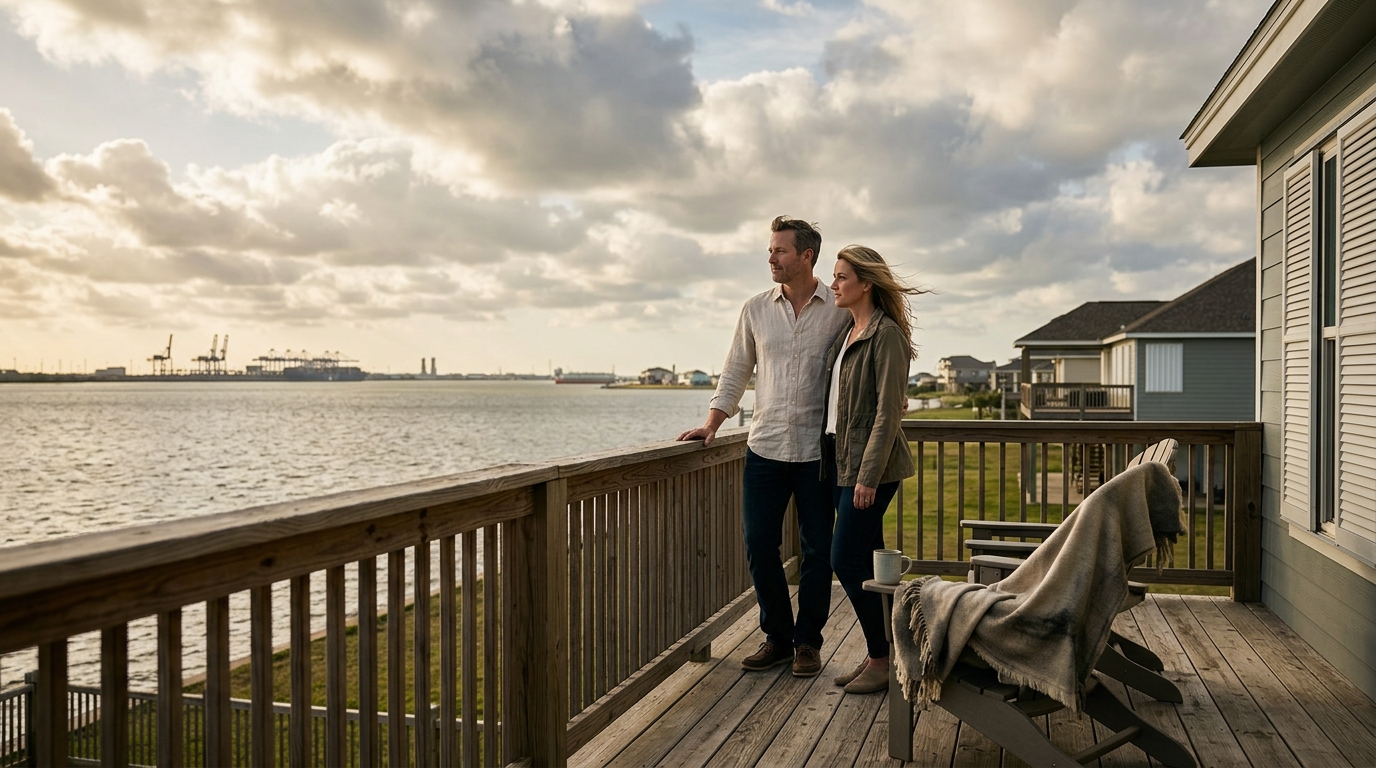
Homeowners in coastal regions face unique risks that standard policies often exclude. For many, the choice lies between state-backed safety nets and private market solutions. Understanding the structural differences between these options is critical for adequate protection. Recent data indicates that over 60% of coastal homeowners struggle to find affordable windstorm coverage in the private market, driving them toward state pools. This shift highlights the growing reliance on public entities to fill gaps left by commercial insurers. Navigating this landscape requires a clear grasp of how each system operates, what they cover, and where their limitations lie. This guide breaks down the essential distinctions to help you make an informed decision for your property. (Home Flood amp Windstorm)
Understanding the Basics of Windstorm Coverage
Windstorm insurance is a specialized policy designed to cover damage caused by high winds, hail, and tornadoes. Standard homeowners insurance policies typically exclude these perils, especially in high-risk coastal zones. This exclusion creates a coverage gap that leaves homeowners vulnerable to significant financial loss. Windstorm coverage is a distinct add-on or standalone policy that addresses these specific weather-related risks. (Windstorm Insurance Inspections Brad)
In states like Texas, Florida, and Louisiana, the frequency of hurricanes and tropical storms makes this coverage non-negotiable for many lenders. Without it, securing a mortgage is often impossible. The two primary avenues for obtaining this protection are state-run insurance pools and private commercial insurers. Each path offers different levels of security, cost, and service quality. Understanding the foundational role of windstorm insurance is the first step in choosing the right provider. (Auto Insurance Brad Spurgeon)
State-Run Insurance Pools Explained
State-run insurance pools, often referred to as "insurers of last resort," are created by state legislatures to provide coverage when the private market withdraws. These entities step in to ensure that residents can still obtain necessary insurance. State-run pools are government-backed entities that provide coverage when private insurers leave the market.
These pools operate differently from commercial companies. They are often funded by policyholder premiums and, in some cases, by assessments on other insurance companies operating in the state. This structure allows them to offer coverage at regulated rates, which can be lower than private market prices during times of high risk. However, this model also means they are subject to political and budgetary constraints. When catastrophic events occur, these pools may face financial strain, potentially leading to rate hikes or changes in coverage terms. Homeowners must understand that while these pools provide a safety net, they are not immune to economic pressures.
Private Market Windstorm Dynamics
Private market windstorm coverage is offered by commercial insurance companies. These insurers use actuarial data to assess risk and set premiums. They operate for profit and are driven by shareholder returns. Private market windstorm coverage is provided by commercial insurers who use actuarial data to assess risk and set premiums.
The private market is more dynamic and responsive to risk changes. Insurers may enter or exit markets based on their risk appetite and financial performance. This can lead to volatility in availability and pricing. However, private insurers often offer more comprehensive coverage options, including higher limits and additional endorsements. They also tend to have more robust claims handling processes and customer service infrastructure. For homeowners who qualify, private market coverage can provide greater stability and flexibility. The key is finding an insurer willing to underwrite the specific risk of your property.
Coverage Limits and Financial Stability
One of the most significant differences between state pools and private insurers is the coverage limit. State pools often have statutory caps on the amount of coverage they can provide. These caps may not be sufficient for high-value properties or those in high-risk zones. Private insurers, on the other hand, can offer much higher limits, tailored to the homeowner's needs. This flexibility is crucial for protecting significant investments.
Financial stability is another critical factor. State pools rely on state backing and assessments, which can be slow to mobilize after a major disaster. Private insurers have capital reserves and reinsurance contracts that allow them to pay claims more quickly. However, private insurers may also withdraw from the market entirely if losses exceed their thresholds. Homeowners must evaluate the long-term viability of their chosen provider. A stable insurer ensures that coverage remains available when you need it most.
The Claims Process: Speed and Support
The claims process is where the differences between state pools and private insurers become most apparent. Private insurers typically have dedicated claims teams and established relationships with local contractors. This infrastructure allows for faster assessment and repair. State pools may rely on third-party administrators or have limited local resources. This can lead to longer wait times for adjusters and repairs.
Customer service is also a differentiator. Private insurers often provide 24/7 support and online claims filing. State pools may have more limited hours and fewer digital tools. For homeowners dealing with the stress of property damage, quick and efficient claims handling is essential. The ability to communicate easily with your insurer can make a significant difference in the recovery process. Homeowners should consider the reputation of the insurer for claims handling when making their choice.
Pricing Models and Affordability
Pricing is a major concern for coastal homeowners. State pools often offer lower premiums, especially for those who cannot find coverage in the private market. These rates are regulated and may not reflect the true risk of the property. Private insurers charge premiums that reflect the actual risk. This can result in significantly higher costs, especially for homes in high-risk zones.
However, private insurers may offer discounts for risk mitigation measures, such as hurricane shutters or reinforced roofs. State pools may have fewer discount options. Homeowners should compare the total cost of coverage, including deductibles and out-of-pocket expenses. A lower premium may come with higher deductibles or less comprehensive coverage. It is important to look at the overall value of the policy, not just the monthly cost. Working with an experienced agent can help identify the most cost-effective option for your specific situation.
Comparison Summary
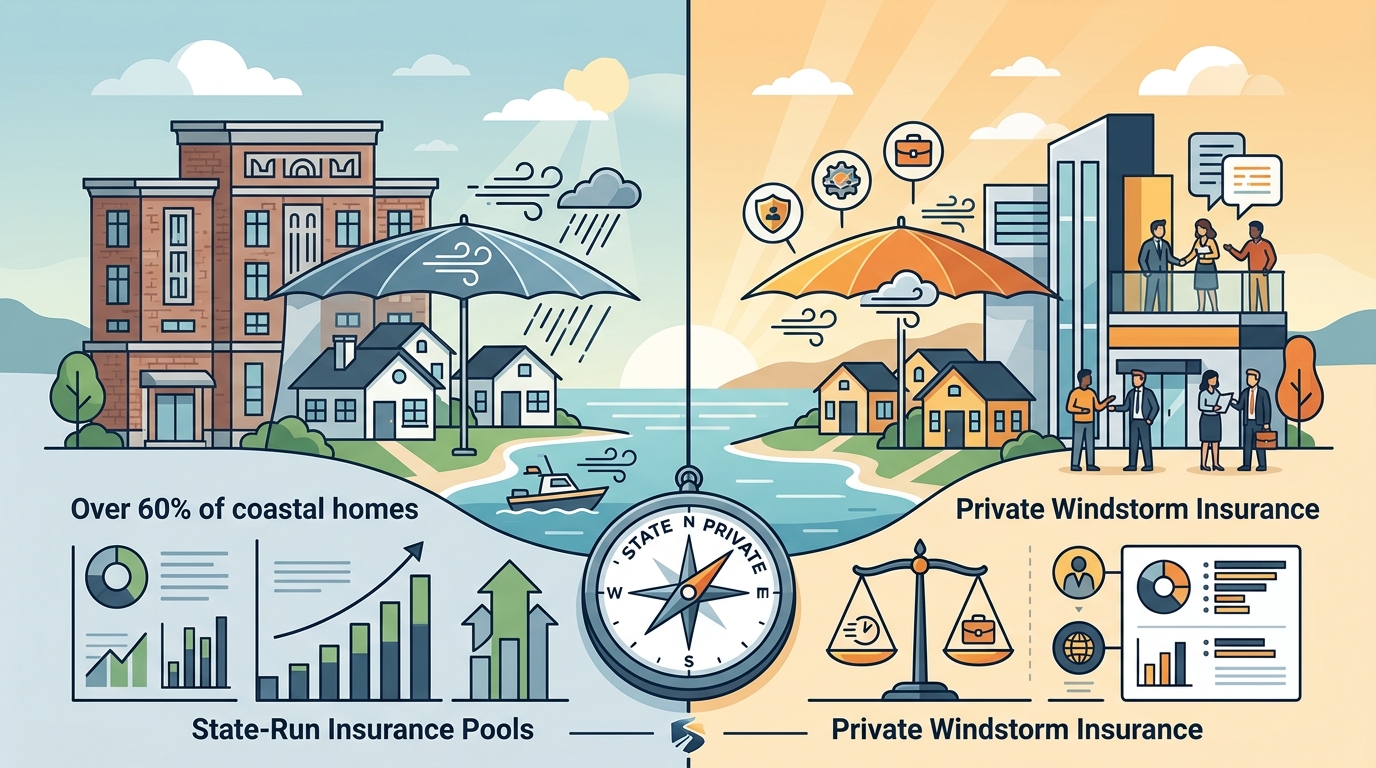
The table below summarizes the key differences between state-run insurance pools and private market windstorm coverage.
| Feature | State-Run Insurance Pools | Private Market Coverage |
|---|---|---|
| Availability | Often the only option in high-risk areas | Depends on insurer risk appetite |
| Pricing | Regulated, often lower premiums | Market-driven, can be higher |
| Coverage Limits | Statutory caps may apply | Flexible, higher limits available |
| Claims Speed | May be slower due to resources | Typically faster with dedicated teams |
| Financial Stability | Backed by state assessments | Backed by capital reserves and reinsurance |
Key Takeaways
- State-run pools act as insurers of last resort when private markets withdraw.
- Private insurers offer more flexible coverage limits and higher policy values.
- Claims processing is generally faster with private market providers.
- State pool premiums are regulated but may not reflect true risk.
- Private market pricing is dynamic and can change based on loss history.
- Brad Spurgeon Insurance Agency has served the Texas Gulf Coast since 1986.
- Third-generation family agency specializing in windstorm and flood insurance.
Frequently Asked Questions
What is the main difference between state pools and private insurers?
State pools are government-backed entities that provide coverage when private insurers leave the market, while private insurers are commercial companies that operate for profit and use actuarial data to set premiums.
Can I get higher coverage limits with a private insurer?
Yes, private insurers often offer higher coverage limits than state pools, which may have statutory caps on the amount of coverage they can provide.
Are state-run pool premiums lower than private market rates?
State-run pool premiums are often lower because they are regulated, but they may not reflect the true risk of the property and can still be expensive in high-risk zones.
How does the claims process differ between the two?
Private insurers typically have faster claims processing due to dedicated teams and local contractor networks, while state pools may rely on third-party administrators and have limited resources.
What is windstorm included home policy?
A windstorm included home policy is a comprehensive coverage option that bundles windstorm protection with other home insurance needs, often offered by private insurers in coastal regions.
Why do private insurers leave the coastal market?
Private insurers may leave the coastal market due to high loss ratios from frequent hurricanes and storms, making it financially unsustainable to continue operating.
How can I find a private insurer for windstorm coverage?
You can work with a local insurance agent who specializes in coastal properties to find private insurers willing to underwrite your specific risk profile.
Secure Your Coverage Today
Choosing between state-run pools and private market windstorm coverage is a critical decision for coastal homeowners. Each option has its own advantages and disadvantages. At Brad Spurgeon Insurance Agency, we help you navigate these complexities to find the best protection for your home. Our team has decades of experience serving the Texas Gulf Coast. We understand the unique risks and insurance needs of this region. Contact us today to get a free consultation and secure your peace of mind.