
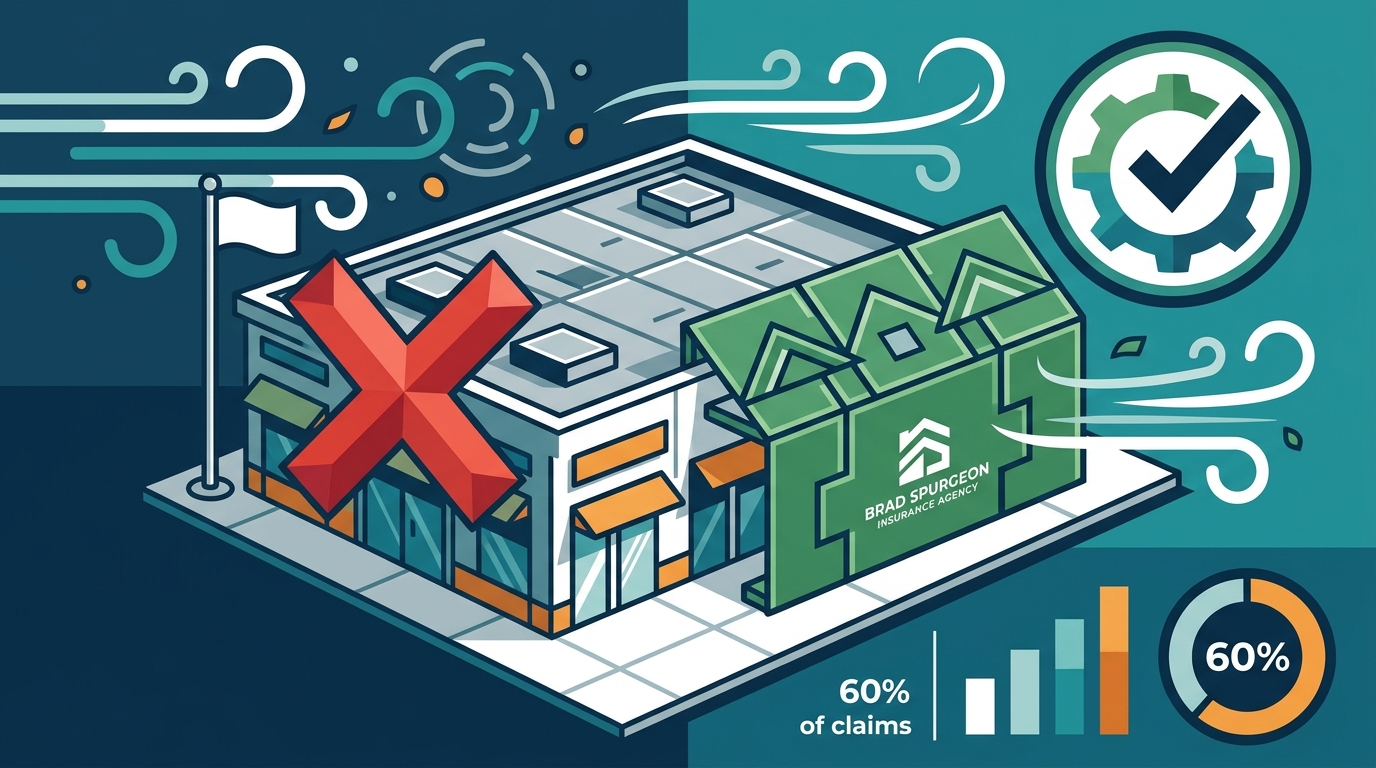
When a commercial property owner receives a notice of non-renewal from their primary insurer, the immediate threat is financial exposure to severe weather events. Windstorm insurance is not merely an add-on for coastal businesses; it is a critical component of operational continuity. According to recent industry data, over 60% of commercial property claims in high-risk zones are driven by wind and hail damage, making coverage availability a decisive factor in business survival.
Understanding the Non-Renewal Notice
A notice of non-renewal is a formal declaration from your current insurer that they will not renew your policy at the end of the term. This is often a result of increased risk modeling, catastrophic loss history in your specific zip code, or a carrier's strategic withdrawal from high-risk markets. For commercial property owners, this creates a coverage gap that can be exploited by lenders or result in immediate financial liability.
Windstorm insurance is a specific type of property insurance that covers damage caused by high winds, hurricanes, and tornadoes. Standard commercial property policies often exclude wind damage or require a separate endorsement. When traditional carriers withdraw, they are typically exiting the "wind" portion of the risk, not necessarily the fire or liability portions.
The Texas Gulf Coast region, including Texas City and surrounding communities, has seen significant shifts in carrier availability. Since 1986, agencies like Brad Spurgeon Insurance Agency have navigated these shifts to help businesses maintain protection. If you are not thrilled with your current insurance situation, immediate action is required to secure a new policy before the gap widens.
Alternative Coverage Options
When traditional carriers issue a non-renewal, several alternative pathways exist to secure commercial windstorm coverage. These options vary in cost, deductible structures, and claim handling processes.
1. Surplus Lines Carriers
Surplus lines carriers are non-admitted insurers that write coverage for risks that admitted carriers will not accept. These policies are highly flexible but come with higher premiums and stricter deductibles. They are often the primary source for commercial windstorm coverage in high-risk zones.
2. State-Funded Insurance Facilities
In some states, including Texas, there are state-backed insurance facilities that act as insurers of last resort. These facilities provide coverage when the private market withdraws. However, they often have strict eligibility requirements and may not cover all types of commercial properties.
3. Specialty Windstorm Policies
Specialty carriers focus exclusively on wind and hail risks. They offer policies tailored to commercial properties, often with more nuanced underwriting criteria than standard carriers. These policies may include coverage for business interruption, which is critical for maintaining cash flow during repairs.
Comparing Policy Structures
Understanding the differences between available policy structures is essential for making an informed decision. The table below outlines the key distinctions between common commercial windstorm coverage options.
| Policy Type | Coverage Scope | Deductible Structure | Best For |
|---|---|---|---|
| Standard Windstorm | Wind and hail damage only | Flat dollar amount | Properties with moderate risk profiles |
| Flood & Wind Bundle | Combined wind and flood damage | Percentage-based | Coastal commercial properties |
| Surplus Lines Policy | Comprehensive commercial risk | High percentage-based | High-risk or unique properties |
| Business Interruption Add-on | Lost income during repairs | Varies by carrier | Operations reliant on continuous access |
When evaluating these options, consider the total cost of ownership, including premiums, deductibles, and potential out-of-pocket expenses. Home insurance principles often apply to small commercial properties, but larger businesses require more complex risk management strategies.
The Claims Process
Securing coverage is only half the battle. Understanding the claims process is equally important. When a wind event occurs, immediate action can significantly impact the outcome of your claim.
1. Immediate Mitigation
Take steps to prevent further damage, such as boarding up windows or covering roof leaks. Keep receipts for all mitigation expenses, as these are often reimbursable under your policy.
2. Documentation
Document all damage with photos and videos before cleaning up. Create an inventory of damaged or destroyed items, including purchase dates and values. This documentation is crucial for supporting your claim.
3. Filing the Claim
Contact your insurance agent or carrier immediately to report the loss. Report a claim through your online portal or by phone. Provide all documentation and be prepared to answer detailed questions about the event.
Our agency provides a free consultation to help you understand your coverage options and prepare for potential claims. We know our clients and we know insurance, so our clients enjoy the peace of mind that comes with knowing their insurance agency can help them regardless of how big, small, unique, or specific their insurance needs are.
Key Takeaways
- Non-Renewal is Common: Traditional carriers frequently withdraw from high-risk commercial markets, necessitating alternative coverage solutions.
- Windstorm Insurance is Critical: Standard policies often exclude wind damage, making specialized coverage essential for coastal businesses.
- Surplus Lines are a Viable Option: Non-admitted carriers provide coverage for risks that admitted carriers will not accept.
- Documentation is Key: Proper documentation of damage and mitigation efforts is crucial for successful claims.
- Agency Expertise Matters: Working with a specialized agency like Brad Spurgeon Insurance Agency ensures access to the best available markets.
- Act Quickly: Coverage gaps can expose businesses to significant financial risk. Secure a new policy before your current one expires.
- Review Annually: Regularly review your coverage to ensure it meets your evolving business needs.
Frequently Asked Questions
What is windstorm insurance?
Windstorm insurance is a specific type of property insurance that covers damage caused by high winds, hurricanes, and tornadoes. It is often required for commercial properties in high-risk zones.
Can I get commercial windstorm coverage after a non-renewal?
Yes, you can obtain coverage through surplus lines carriers, state-funded facilities, or specialty insurers. An experienced agent can help you navigate these options.
What is the difference between windstorm and flood insurance?
Windstorm insurance covers damage from high winds, while flood insurance covers damage from rising water. Both are often needed for coastal commercial properties.
How do I file a windstorm claim?
Contact your insurance agent or carrier immediately to report the loss. Document all damage and take mitigation steps to prevent further loss.
What is a surplus lines carrier?
A surplus lines carrier is a non-admitted insurer that writes coverage for risks that admitted carriers will not accept. These policies are highly flexible but come with higher premiums.
Does business interruption coverage apply to wind damage?
Yes, if you have a business interruption add-on, it can cover lost income during repairs caused by wind damage. This is critical for maintaining cash flow.
How can Brad Spurgeon Insurance Agency help?
We specialize in helping commercial property owners secure windstorm coverage after non-renewal. We provide free consultations and access to a wide range of insurance products.
What is the WPI-8 certificate?
The WPI-8 certificate is a document that provides information about your windstorm insurance policy. It is often required by lenders and other parties.
Get Your Commercial Quote
Do not wait for a storm to reveal your coverage gaps. If you have received a notice of non-renewal, contact Brad Spurgeon Insurance Agency Inc. today. We specialize in Homeowners, Windstorm & Hail and Flood Insurance including a new Windstorm Included Home Policy for Texas Gulf Coast Homeowners and businesses.
Our team is ready to help you secure the protection your business needs. Visit our Home Insurance Quote page or Flood Insurance Quote page to get started. You can also Contact Us directly at (409) 945-4746 or visit us at 1118 14th Street North, Texas City, Texas 77590.