

Living on the Texas Gulf Coast means accepting a unique set of environmental realities. The region is prone to severe weather events that can devastate property values and structural integrity. According to recent industry data, standard homeowners insurance policies in coastal Texas frequently exclude wind and hail damage, leaving homeowners with significant financial exposure. This exclusion is not a minor detail. It is a fundamental structural difference in how risk is underwritten in high-hazard zones. If you own property in Texas City, Galveston, or the surrounding coastal communities, understanding this gap is critical for your financial security.
Understanding the Standard Policy Gap
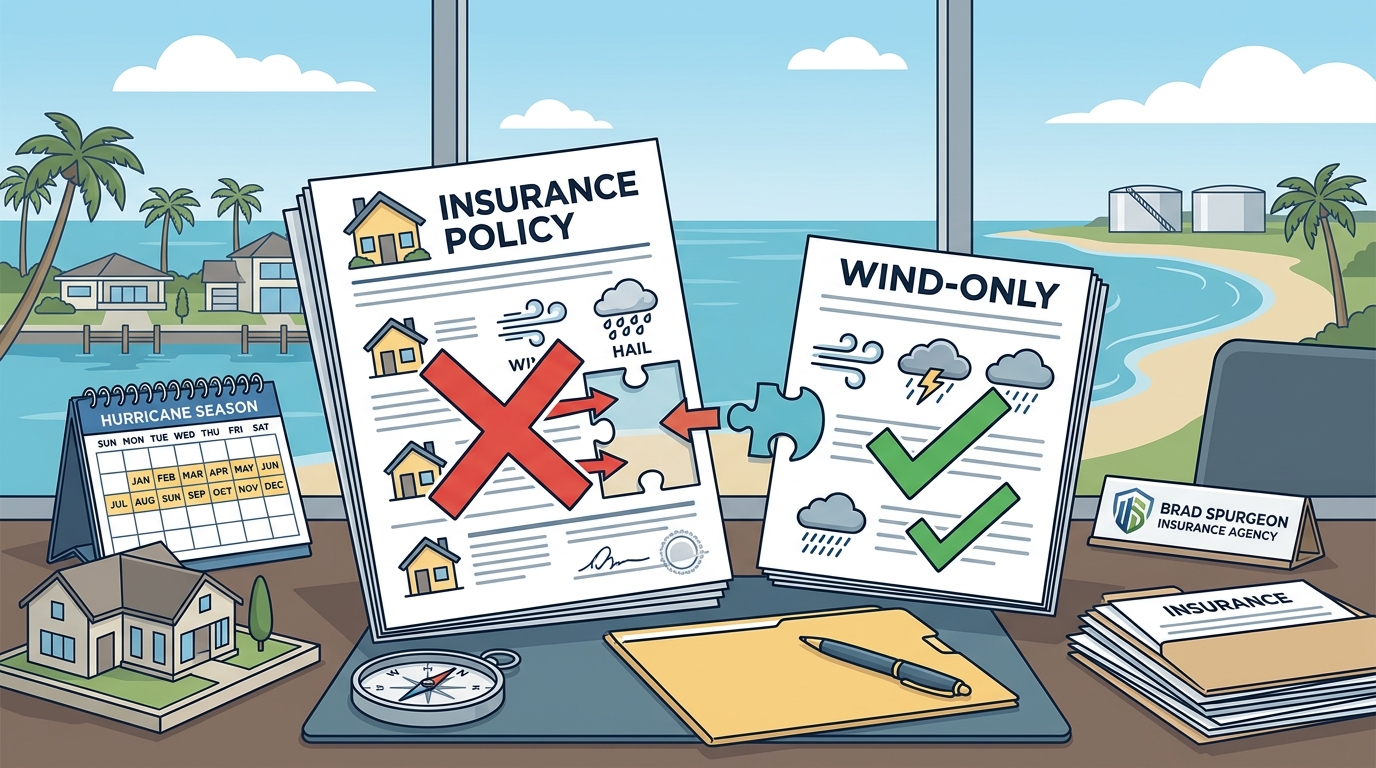
Most homeowners assume their standard hazard insurance covers all weather-related damage. This assumption is often incorrect in coastal Texas. Windstorm insurance is a specialized coverage type that addresses damage caused by high-velocity winds, hail, and associated debris. Standard policies typically exclude these perils because the risk is too concentrated and severe for general underwriters.
When a hurricane or severe thunderstorm hits, the cost of roof repairs, siding replacement, and structural damage can be astronomical. Without specific wind coverage, you are responsible for every dollar of that damage. This is why many local agencies in Texas City and Galveston specialize in windstorm policies. They understand the local geography and the specific underwriting requirements of major carriers.
If your property is located in a designated wind zone, your standard policy likely has a wind exclusion clause. You must verify this with your current provider. Do not guess. The financial consequences of being underinsured are too high to ignore. A separate wind policy fills this void, ensuring that your home is protected from the most common and costly threats in the region.
Identifying Your Risk Zone
The first step in determining your insurance needs is understanding your geographic location. Texas has specific wind zones that dictate insurance requirements. These zones are not arbitrary. They are based on historical weather data and projected risk models. (What Your Clients)
If your property is located in a high-wind zone, you may be required to carry a separate windstorm policy. This is common in coastal counties. The risk is higher here due to the proximity to the Gulf of Mexico. Storm surges and high winds are frequent threats. Knowing your zone is the first step to securing your asset.
You can determine your zone by checking your current policy declarations page. Look for sections labeled "Wind/Hail Exclusion" or "Coastal Barrier Rider." If you see these terms, you likely need additional coverage. You can also consult with a local agent who specializes in Gulf Coast insurance. They can provide a clear map of your risk area.
Additionally, flood risk often overlaps with wind risk. While wind insurance covers the structure from wind damage, flood insurance covers water intrusion from rising waters. These are two different perils. You may need both. A comprehensive review of your property's exposure is essential. Do not rely on a single policy for all risks.
Comparing Policy Options
Homeowners in the Gulf Coast have several options for securing wind coverage. The landscape of insurance products has evolved to meet the specific needs of coastal residents. Understanding these options helps you make an informed decision.
| Policy Type | Coverage Scope | Best For |
|---|---|---|
| Separate Windstorm Policy | Covers wind and hail damage only. Excludes flood. | Properties in high-wind zones with standard hazard policies. |
| Windstorm Included Home Policy | Combines hazard and wind coverage into one premium. | Homeowners seeking simplified billing and comprehensive protection. |
| Flood Insurance | Covers water damage from rising waters. | Properties in flood zones or near water bodies. |
| Umbrella Insurance | Provides extra liability coverage above standard limits. | High-net-worth individuals seeking additional asset protection. |
The Windstorm Included Home Policy is a newer option for Texas Gulf Coast homeowners. It simplifies the process by bundling wind coverage with your standard hazard policy. This can be a cost-effective solution for many homeowners. It reduces the administrative burden of managing multiple policies.
However, a separate wind policy may offer more flexibility. It allows you to choose specific deductibles and coverage limits for wind damage. This is crucial if you have a high-value home or unique architectural features. A specialized agent can help you navigate these choices. They can compare quotes from multiple carriers to find the best fit.
Consider your budget and risk tolerance. If you want maximum simplicity, the included policy might be best. If you want granular control over your coverage, a separate policy may be preferable. Both options provide essential protection against wind damage.
Steps to Assess Your Needs
Determining if you need a separate wind policy requires a systematic approach. Follow these steps to evaluate your current coverage and identify gaps.
Step 1: Review Your Current Policy
Start by reading your current homeowners insurance policy. Look for exclusions related to wind, hail, or hurricanes. If your policy excludes these perils, you need additional coverage. Do not assume your agent knows your current status. Verify it yourself.
Step 2: Check Your Wind Zone
Identify your specific wind zone. This information is often available through your local emergency management office or your insurance provider. If you are in a high-risk zone, the likelihood of needing separate coverage increases significantly.
Step 3: Evaluate Your Property Value
Consider the cost to rebuild your home. If the reconstruction cost is high, the financial impact of wind damage is also high. Ensure your coverage limits reflect the true replacement cost. Underinsurance is a common pitfall in coastal areas.
Step 4: Consult a Local Expert
Work with an agency that specializes in Gulf Coast insurance. They understand the local market dynamics and carrier requirements. Schedule a free consultation to discuss your specific needs. They can provide a personalized recommendation based on your property's unique characteristics.
Step 5: Compare Quotes
Get quotes for both separate wind policies and wind-included policies. Compare the premiums, deductibles, and coverage limits. Look for carriers with strong financial ratings and excellent claims handling reputations. Price is important, but coverage quality is paramount.
Key Takeaways
- Standard hazard insurance in Texas often excludes wind and hail damage, creating a significant coverage gap.
- Properties in designated wind zones, particularly in Texas City and Galveston, frequently require separate windstorm coverage.
- A Windstorm Included Home Policy offers a simplified alternative by bundling wind coverage with hazard insurance.
- Flood insurance is distinct from wind insurance and is necessary for properties at risk of water intrusion.
- Brad Spurgeon Insurance Agency has served the Texas Gulf Coast since 1986, providing specialized guidance for coastal homeowners. (What Your Clients)
- Regular policy reviews are essential to ensure your coverage keeps pace with rebuilding costs and changing risk profiles.
- Consulting with a local expert is the most reliable way to determine your specific insurance needs.
Frequently Asked Questions
What is windstorm insurance?
Windstorm insurance is a specialized policy that covers damage to your property caused by high-velocity winds, hail, and debris. It is often required in coastal areas where standard homeowners policies exclude these perils.
Does my standard homeowners insurance cover wind damage?
In many parts of the Texas Gulf Coast, standard homeowners insurance policies exclude wind and hail damage. You must check your specific policy declarations page to confirm. If it is excluded, you need additional coverage.
What is the difference between wind insurance and flood insurance?
Wind insurance covers damage from wind and hail, such as roof damage or broken windows. Flood insurance covers damage from rising water, such as storm surge or heavy rainfall flooding. These are separate perils and often require separate policies.
What is a Windstorm Included Home Policy?
A Windstorm Included Home Policy is a newer product for Texas Gulf Coast homeowners that combines wind coverage with standard hazard insurance into a single policy. This simplifies billing and ensures comprehensive protection against both wind and other hazards.
How do I know if I am in a high-wind zone?
You can determine your wind zone by checking your current insurance policy or contacting your local emergency management office. Insurance agents in the Gulf Coast region are also familiar with the specific zones and can provide this information.
Why do I need a separate agent for wind insurance?
Wind insurance in coastal Texas is complex. It involves multiple carriers, specific underwriting guidelines, and local regulations. A specialized agent understands these nuances and can help you navigate the market to find the best coverage at a competitive price. (Windstorm and Hail)
How can I get a quote for wind insurance?
You can get a quote by contacting a local insurance agency that specializes in Gulf Coast properties. They will assess your property's risk profile and provide quotes from multiple carriers. Request a home insurance quote to start the process.
Secure Your Home Today
Do not wait for a storm to reveal your coverage gaps. Protect your home and your financial future with the right insurance. Brad Spurgeon Insurance Agency Inc. has been serving the Texas Gulf Coast since 1986. We specialize in Homeowners, Windstorm & Hail, and Flood Insurance. Our team is ready to help you navigate the complexities of coastal insurance.
Contact us today for a free consultation. We will review your current policy, assess your risk, and recommend the best coverage options for your needs. Visit our About Us page to learn more about our agency. Or call us directly at (409) 945-4746. Let us help you protect what matters most.