
Living on the Texas Gulf Coast offers unparalleled lifestyle benefits, but it also exposes homeowners to significant weather risks. According to recent industry data, windstorm insurance premiums in high-risk coastal zones can increase by 20 to 50 percent annually due to escalating climate volatility and reinsurance market shifts. This financial reality means that understanding the specific drivers of your premium is not just helpful, it is essential for budgeting and long-term financial stability. At Brad Spurgeon Insurance Agency Inc., we have spent decades helping families navigate these complex waters, ensuring that coverage remains both comprehensive and affordable. (Home Insurance Flood Windstorm)
Location and Elevation Risk
The single most influential factor in determining your windstorm insurance premium is your home's geographic location. Insurers use precise geospatial data to assess the probability of wind damage. Homes located in Galveston County, Texas City, and other parts of the Texas Gulf Coast are classified as high-risk zones due to their proximity to the Gulf of Mexico. This proximity increases the likelihood of direct hits from hurricanes and severe thunderstorms. (Home Insurance Flood Windstorm)
Elevation plays a critical role in this calculation. Properties situated on stilts or elevated foundations often face different risk profiles than those on slab foundations. While elevation can sometimes mitigate flood risk, it does not necessarily reduce wind risk. In fact, elevated structures may have different wind load dynamics that insurers must account for. Understanding your specific zone is the first step in estimating your costs.
Construction Type and Materials
The physical structure of your home dictates how it withstands high-velocity winds. The age of your home is a significant indicator of its resilience. Older homes built before modern building codes were implemented often lack the structural integrity required to resist modern wind standards. These properties typically command higher premiums because the risk of structural failure is greater.
Building materials also matter significantly. Brick and concrete block homes generally offer better wind resistance than wood-frame structures. The roof is the most vulnerable part of any home during a storm. Roofs made of concrete tile or metal often result in lower premiums compared to traditional asphalt shingles, which are more prone to tearing off in high winds. The connection between the roof and the frame is also scrutinized during underwriting.
Wind Resistance Features
Investing in wind-resistant upgrades can lead to substantial savings on your premium. Insurers reward homeowners who take proactive steps to fortify their properties. These features include impact-resistant windows, reinforced garage doors, and hurricane straps that secure the roof to the walls. When a home demonstrates superior wind resistance, the insurer's potential payout in the event of a claim decreases.
Many insurance carriers offer specific discounts for homes that meet certain wind mitigation standards. For example, a home with a modern roof deck attachment system may qualify for a significant premium reduction. These discounts reflect the lower risk profile of the property. It is important to document all upgrades and provide proof to your insurance agent to ensure you receive all applicable credits.
Coverage Limits and Deductibles
Your choice of coverage limits and deductibles directly impacts your monthly or annual premium. Windstorm insurance often comes with a separate deductible, which is typically a percentage of the home's insured value rather than a flat dollar amount. Choosing a higher deductible will lower your premium, but it also increases your out-of-pocket cost in the event of a claim.
Conversely, selecting a lower deductible will result in a higher premium but provides greater financial protection during a disaster. It is crucial to balance your budget with your risk tolerance. Many homeowners in the Gulf Coast region opt for a higher deductible to keep premiums manageable, relying on emergency savings to cover the deductible cost. Understanding this trade-off is vital for making an informed decision.
Claims History Impact
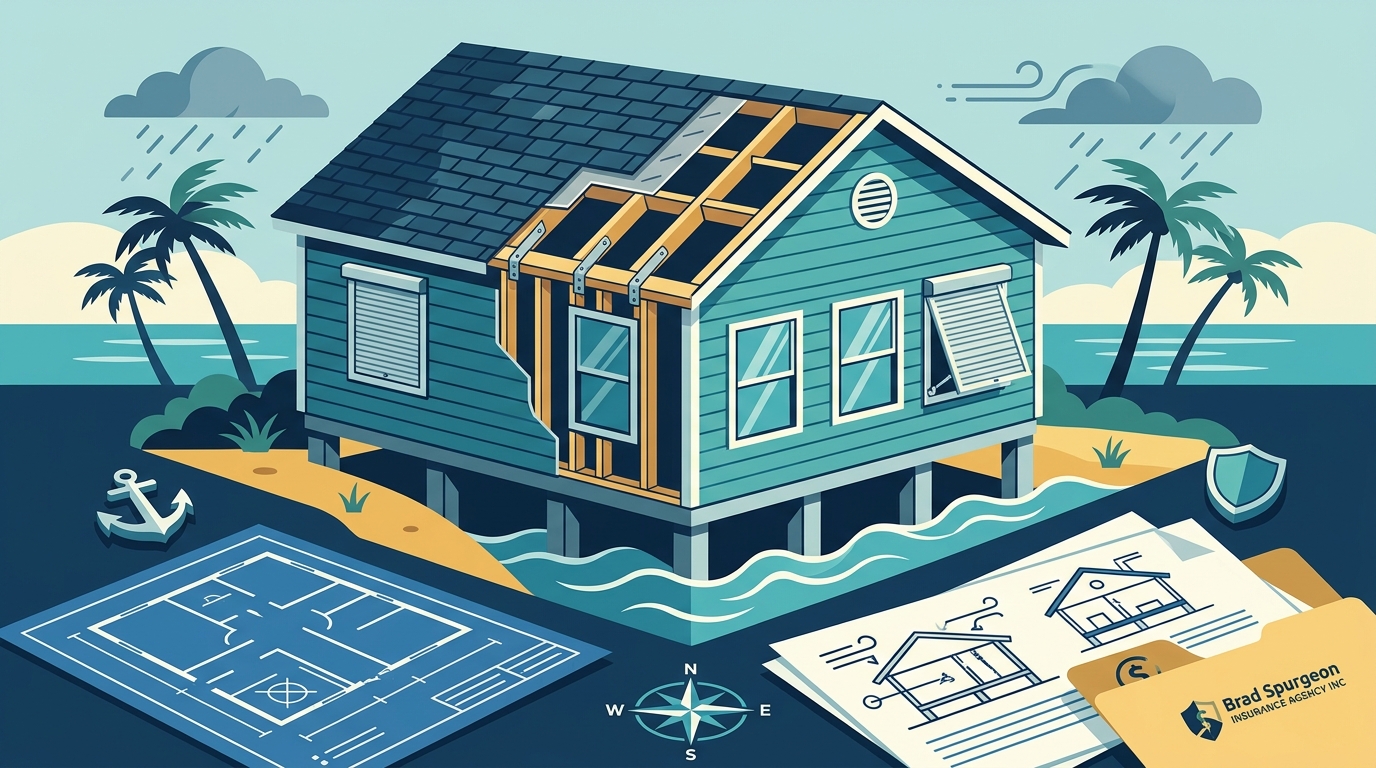
Your personal claims history is a major factor in premium calculation. If you have filed multiple wind or water damage claims in the past five years, insurers will view you as a higher risk. This history signals a greater likelihood of future claims, leading to increased premiums or even non-renewal of your policy.
Insurers look at both the frequency and severity of past claims. A single large claim may have a different impact than several small claims. However, any history of wind-related damage will likely affect your pricing. Being transparent about your history is essential. At Brad Spurgeon Insurance Agency Inc., we help clients understand how their history affects their rates and work to find carriers that offer fair pricing for their specific situation.
Premium Comparison Factors
Not all insurance carriers price windstorm risk in the same way. Different insurers have different risk appetites and underwriting guidelines. Some may focus more on construction quality, while others prioritize location data. Comparing quotes from multiple carriers is essential to find the best rate.
| Factor | Impact on Premium | Mitigation Strategy |
|---|---|---|
| Proximity to Coast | High Increase | Understand zone specifics |
| Roof Age | Variable Increase | Upgrade to wind-resistant materials |
| Claims History | Significant Increase | Document all mitigations |
| Deductible Choice | Direct Correlation | Balance budget vs. risk |
Working with a local agency like Brad Spurgeon Insurance Agency Inc. provides a distinct advantage in this comparison process. We have access to multiple carriers and understand the nuances of each company's underwriting preferences. This allows us to match your home's specific characteristics with the most favorable insurer. We do not rely on generic online quotes but provide personalized analysis based on your unique property details.
Key Takeaways
- Location is the primary driver of windstorm premiums, with Texas Gulf Coast homes facing higher baseline risks.
- Construction materials and roof type significantly influence pricing, with reinforced structures often qualifying for discounts.
- Wind mitigation features such as impact windows and hurricane straps can lead to substantial premium reductions.
- Claims history plays a critical role, with past wind damage leading to higher costs or coverage challenges.
- Deductible choices directly affect premium costs, requiring a balance between monthly savings and potential out-of-pocket expenses.
- Carrier underwriting guidelines vary, making professional comparison essential for finding the best rate.
- Brad Spurgeon Insurance Agency Inc. has served the Texas City community since 1986, providing expert guidance on these complex factors.
Frequently Asked Questions
How is windstorm insurance different from standard homeowners insurance?
Standard homeowners insurance policies in Texas often exclude wind and hail damage. Windstorm insurance is a separate policy or endorsement that specifically covers damage caused by high winds, hurricanes, and hail. This separation allows insurers to price the risk more accurately based on coastal exposure.
Can I get windstorm insurance if I live in a high-risk zone?
Yes, but it may be more expensive. High-risk zones have higher premiums due to the increased probability of claims. However, there are specialized carriers that focus on coastal markets and offer coverage options for these areas. Working with a local agent ensures you have access to these specialized markets.
What is a windstorm deductible?
A windstorm deductible is typically a percentage of your home's insured value, such as 1 to 5 percent. This is different from a standard flat-dollar deductible. For a home insured for $300,000, a 2 percent deductible would be $6,000. This structure aligns the deductible with the scale of potential wind damage.
How often do windstorm premiums increase?
Premiums are typically reviewed annually during policy renewal. In high-risk areas, increases can be significant due to changes in reinsurance costs, inflation, and updated risk models. Regular policy reviews with your agent can help you understand these changes and explore mitigation options to lower costs.
Do I need separate flood insurance for wind damage?
No, flood insurance covers water damage from rising water, not wind-driven rain or structural damage from wind. However, wind can cause openings that lead to flood damage. It is crucial to have both windstorm and flood insurance for comprehensive protection in coastal areas.
How can I lower my windstorm premium?
You can lower your premium by installing wind-resistant features, such as reinforced roofs and impact windows. You can also choose a higher deductible to reduce monthly costs. Regular maintenance and documentation of upgrades are also key to maintaining favorable rates.
Why is it important to work with a local insurance agency?
Local agencies understand the specific risks and carrier preferences in the Texas Gulf Coast region. They can provide personalized advice and access to multiple carriers that may not be available online. This local expertise is invaluable in navigating the complex windstorm insurance market.
Secure Your Coverage Today
Understanding the factors that influence your windstorm insurance premium is the first step toward protecting your home and your financial future. At Brad Spurgeon Insurance Agency Inc., we are dedicated to providing clear, honest advice to help you make informed decisions. Our team has over 30 years of experience serving the Texas City and Galveston County communities. We specialize in homeowners, windstorm, and flood insurance, ensuring that your coverage is tailored to your specific needs. Do not wait until after a storm to secure your protection. Contact us today to get a free consultation and a personalized quote. Visit our Home Insurance Quote page to start the process. You can also explore our Flood Insurance options to ensure complete coverage. For more information about our agency, visit our About page. If you have any questions, call us at (409) 945-4746 or email brad@bradspurgeonins.com. We are here to help you navigate the complexities of coastal insurance with confidence and peace of mind.