
Securing windstorm coverage in high-risk coastal regions has become increasingly difficult for homeowners. Recent industry data indicates that over 40% of Gulf Coast properties face at least one denial during the underwriting process due to strict structural compliance requirements. This rejection often stems from outdated roof certifications or insufficient documentation of recent upgrades. Understanding the specific underwriting criteria used by Texas carriers is the first step toward reversing that decision and securing necessary protection.
Diagnose the Root Cause of Denial
Before attempting to reapply, you must understand exactly why your previous applications were rejected. Insurance underwriters do not issue blanket denials without specific triggers. Common reasons include a roof age exceeding the carrier's maximum limit, lack of a current wind mitigation inspection, or previous claims history that exceeds the company's risk tolerance.
Windstorm insurance is a specialized form of property coverage designed specifically for damage caused by high-velocity winds and hail. Unlike standard homeowners policies, it often requires separate documentation and distinct underwriting guidelines. If you do not know the specific reason for the denial, you will likely face the same outcome with the next provider. Contact the previous carriers to request a detailed explanation of their decision.
Secure a Valid WPI-8 Certificate
In Texas, the Windproof Inspections (WPI-8) certificate is the single most critical document for qualifying for windstorm coverage. This certificate verifies that your roof meets specific construction standards required by insurance carriers. Without a valid WPI-8, most major carriers will automatically deny your application regardless of your claims history.
A Windproof Inspections certificate is a standardized form used by Texas insurance companies to evaluate the wind resistance of a roof. It details the roof's age, material, and attachment methods. If your current certificate has expired or is missing, you must hire a certified inspector immediately. The process involves a physical assessment of the roof deck, shingles, and flashing to ensure they can withstand high-velocity winds.
For detailed guidance on how to interpret your specific certificate, you can review our WPI-8 Certificate Guide. This resource explains the technical requirements that underwriters look for during the evaluation process.
Implement Critical Structural Upgrades
If your roof is older than ten years, or if it lacks proper secondary water barrier installation, you may need to make physical improvements to your home. Carriers are increasingly strict about the age of roofing materials. In many cases, a roof that is 10 to 15 years old will be denied unless it has been recently inspected and certified.
Key upgrades that improve your chances of approval include:
- Roof Replacement: Installing a new Class 4 impact-resistant roof significantly lowers risk and improves insurability.
- Secondary Water Barrier: Ensuring the roof deck is covered with a waterproof membrane prevents water intrusion during wind-driven rain.
- Reinforced Garage Doors: Garage doors are often the weakest point in a home during a storm. Reinforcing them with a bracing kit is essential.
- Window Protection: Installing impact-resistant windows or storm shutters can reduce premiums and improve underwriting scores.
These improvements are not just about compliance. They directly impact the longevity of your home and the safety of your family during severe weather events. According to the Insurance Institute for Business & Home Safety, homes with these upgrades suffer significantly less damage during hurricanes.
Compile Comprehensive Proof of Compliance
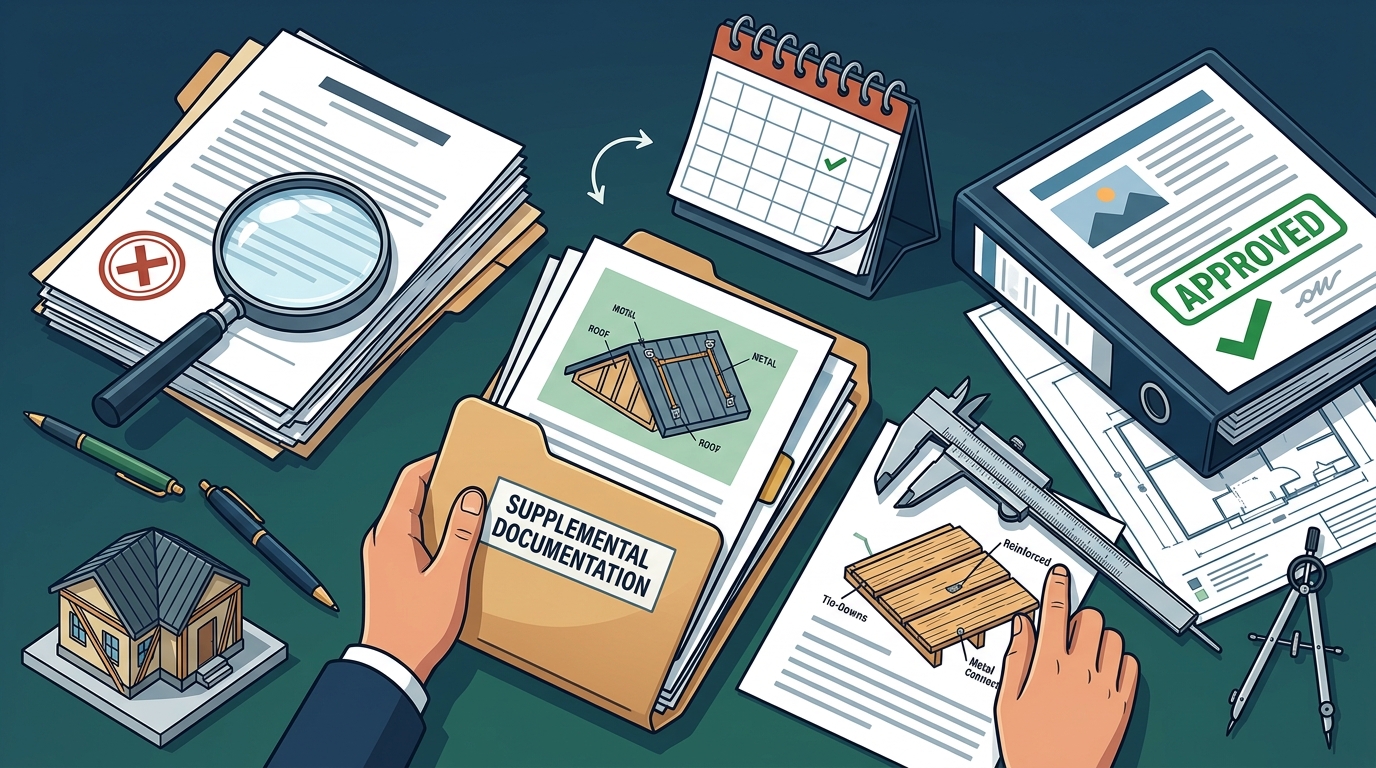
Once you have completed any necessary upgrades, you must compile a robust portfolio of documentation. Underwriters need tangible proof that your home meets their risk criteria. This includes the WPI-8 certificate, receipts for all roof replacements, and photos of the installation.
Organize your documents into a clear digital folder. Include the date of service, the contractor's license number, and a detailed description of the work performed. If you have a Windstorm Insurance policy in place, ensure that the carrier has received all updated documentation. Gaps in your paperwork are often the reason for continued denials.
Engage Specialty Windstorm Carriers
If standard carriers continue to reject your application, you may need to look toward specialty windstorm carriers. These companies are specifically designed to write policies in high-risk coastal zones where traditional insurers have withdrawn. They have different underwriting algorithms that may be more forgiving of certain risk factors.
Specialty carriers often require more rigorous inspections but offer more flexible terms for older homes. They understand the unique challenges of the Texas Gulf Coast market. Working with an agent who has access to these specific carriers is crucial. You can explore our Windstorm Insurance Quote options to see how these specialized policies compare to standard offerings.
Leverage Expert Agency Representation
Navigating the complex landscape of windstorm insurance requires local expertise. A knowledgeable insurance agency understands the nuances of each carrier's underwriting guidelines. They know which carriers are currently more aggressive in writing new business and which are tightening their standards.
Brad Spurgeon Insurance Agency Inc. has served the Texas Gulf Coast since 1986. As a third-generation family agency, we specialize in helping homeowners who have been rejected by other providers. We understand the specific requirements for Home Insurance in this region. Our team can help you identify the right carrier based on your home's specific characteristics.
We offer a Free Consultation to review your situation. We can analyze your previous denials and create a tailored strategy to get you covered. Our goal is to provide peace of mind through comprehensive protection.
Navigate the Formal Appeal Process
In some cases, you may be able to appeal a denial. This process involves submitting additional evidence or requesting a re-evaluation of your risk profile. However, appeals are not always successful, and they can be time-consuming. It is often more efficient to apply with a different carrier that has more favorable guidelines.
If you choose to appeal, ensure that you address every point raised in the denial letter. Provide new documentation that was not previously available. If the denial was based on roof age, a new WPI-8 certificate showing a recent replacement can be decisive. For more information on our services, visit our Services page.
Key Takeaways
- A valid WPI-8 certificate is mandatory for most Texas windstorm policies.
- Roofs older than 10 years often require replacement or extensive reinforcement.
- Specialty carriers are more likely to write policies in high-risk coastal zones.
- Comprehensive documentation of all upgrades is essential for underwriting approval.
- Local agency expertise can significantly improve your chances of securing coverage.
- Brad Spurgeon Insurance Agency has served the Gulf Coast since 1986.
- Rejection is often a temporary hurdle that can be overcome with the right steps.
Frequently Asked Questions
Why was my windstorm insurance application rejected?
Common reasons include an old roof without a current WPI-8 certificate, lack of secondary water barriers, or a history of multiple claims. Carriers have strict risk tolerance levels.
Can I get windstorm insurance with an old roof?
It is difficult but possible. Some specialty carriers may accept older roofs if they have been recently inspected and certified. However, a new roof significantly improves your options.
What is a WPI-8 certificate?
A Windproof Inspections certificate is a standardized form used by Texas insurance companies to evaluate the wind resistance of a roof. It details the roof's age, material, and attachment methods.
How long does the appeal process take?
The appeal process can take several weeks. It involves submitting additional evidence and waiting for a re-evaluation. Applying with a different carrier is often faster.
Do I need separate windstorm insurance?
In high-risk coastal areas, windstorm coverage is often written on a separate policy or endorsement. This ensures that your home is protected against specific wind-related perils.
What upgrades help qualify for insurance?
Key upgrades include a new impact-resistant roof, reinforced garage doors, and window protection. These improvements reduce risk and improve underwriting scores.
How can Brad Spurgeon Insurance Agency help?
We specialize in helping homeowners who have been rejected by other providers. We can analyze your situation and find the right carrier for your needs. Contact us for a Free Consultation.
Get Your Windstorm Coverage Today
Do not let a previous rejection leave your home unprotected. The Texas Gulf Coast is prone to severe weather, and having the right coverage is essential. Our team at Brad Spurgeon Insurance Agency Inc. is ready to help you navigate the underwriting process. We will work tirelessly to find a carrier that will insure your home.
Visit our Home Insurance Quote page to get started. Or call us directly at (409) 945-4746. We are here to help you secure the peace of mind you deserve.