
Step-by-Step Guide to Finding Affordable Flood Insurance in Galveston
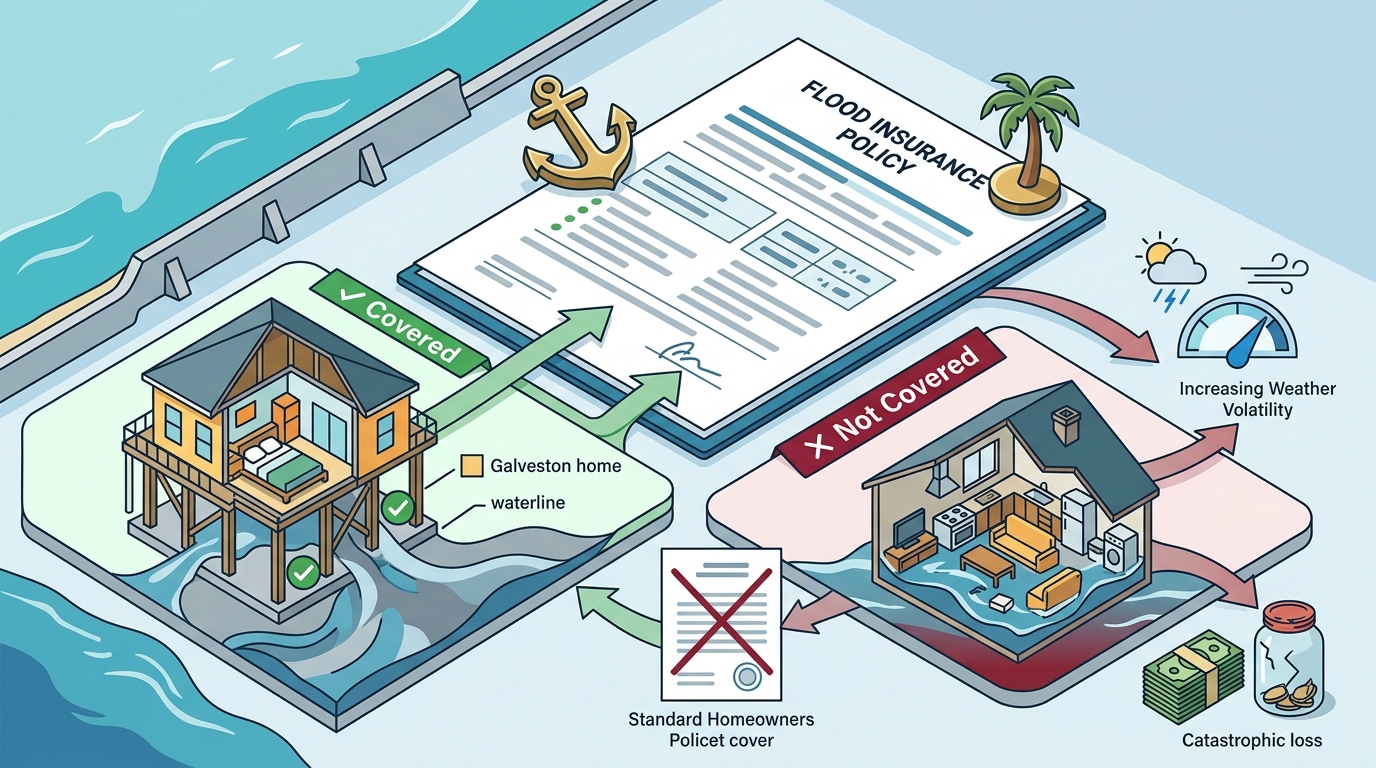
Flood insurance is not just a recommendation for Galveston homeowners; it is a financial necessity. According to FEMA, standard homeowners policies do not cover flood damage, leaving property owners exposed to catastrophic losses. With the Texas Gulf Coast facing increasing weather volatility, securing the right policy is critical for long-term stability. This guide outlines the precise steps to navigate the complex insurance landscape and find affordable coverage through trusted local expertise. (Galveston TX Flood)
Understand Coverage Types and Requirements
The first step in securing affordable flood insurance is understanding what you actually need. Flood insurance comes in two primary forms: building property coverage and personal property coverage. Building coverage protects the structure of your home, including foundations, electrical systems, and plumbing. Personal property coverage protects your belongings, such as furniture and electronics.
Flood insurance provides coverage for property damage caused by flooding, not included in standard policies. This distinction is vital because many homeowners mistakenly believe their existing home insurance policy covers water damage from rising waters. It does not. Without a separate flood policy, you are financially vulnerable to the full cost of repairs.
For those in Galveston, understanding the specific requirements of your mortgage lender is also crucial. If your property is in a designated Special Flood Hazard Area (SFHA), federal law may require you to carry flood insurance. Even if you are not in a high-risk zone, obtaining coverage can significantly lower your overall insurance premiums by bundling policies.
Assess Your Specific Flood Risk
Before shopping for quotes, you must determine your property's specific risk level. This assessment dictates your premium rates and coverage options. The Federal Emergency Management Agency (FEMA) publishes Flood Insurance Rate Maps (FIRMs) that delineate flood zones across the United States.
If your property is located in Zone AE or VE, you are in a high-risk area. According to FEMA flood map data, these zones have a 1% annual chance of flooding. Properties in Zone X are considered moderate-to-low risk, but they are not immune to flooding events. Recent climate patterns have expanded flood risks beyond traditional high-risk zones, making accurate assessment essential. (Flood Protection Information)
Consider your home's elevation relative to sea level. Galveston Island is particularly susceptible to storm surges. If your home is elevated on stilts, you may qualify for lower premiums. Understanding your elevation certificate is a critical part of this step, as it provides the data insurers need to price your policy accurately.
Compare National and Local Providers
Once you understand your risk profile, you can begin comparing insurance providers. The National Flood Insurance Program (NFIP) is the primary source of flood insurance in the United States. However, private insurers also offer flood coverage, often with different pricing structures and coverage limits.
| Provider Type | Advantages | Disadvantages | Best For |
|---|---|---|---|
| NFIP (FEMA) | Guaranteed availability, no underwriting | Lower coverage limits, standardized rates | Mandatory coverage requirements |
| Private Insurers | Higher limits, potential discounts | Underwriting requirements, variable availability | High-value homes, unique properties |
| Local Agencies | Expert guidance, personalized service | May have limited carrier options | Complex claims, local knowledge |
While NFIP policies are widely available, they have strict coverage limits. According to FloodSmart.gov, NFIP policies cover up to $250,000 for residential building property and $100,000 for personal property. For many Galveston homeowners, especially those with high-value properties, these limits may be insufficient. Private insurers often offer higher limits, which can be crucial for adequate protection.
Leverage Local Agency Expertise
Navigating the flood insurance market alone can be daunting. This is where working with a local insurance agency becomes invaluable. Local agents understand the specific nuances of Galveston's insurance landscape, including carrier preferences and local claim handling practices. (Galveston TX Flood)
Brad Spurgeon Insurance Agency Inc. has served Texas City and all Texas Gulf Coast communities since 1986. As a third-generation family agency, they specialize in homeowners, windstorm, and flood insurance. Their deep roots in the community mean they understand the unique challenges faced by Gulf Coast homeowners.
Local agencies like Brad Spurgeon Insurance Agency can help you access multiple carriers, including both NFIP and private options. They can also assist with complex claims, ensuring you receive the compensation you deserve. Visit their about page to learn more about their commitment to client service and community protection.
Additionally, local agents can help you understand the WPI-8 certificate, which is often required for windstorm insurance in Texas. This certificate proves that your home meets specific building code standards, potentially lowering your premiums. Review the WPI-8 Certificate Guide to understand how this document impacts your coverage.
Optimize Your Premium Costs
Once you have identified potential providers, the next step is optimizing your premium. There are several strategies to reduce costs without sacrificing coverage.
First, consider raising your deductible. A higher deductible means lower monthly premiums. However, ensure you have enough savings to cover the deductible in the event of a claim. Second, look for discounts. Many insurers offer discounts for policy bundling, claims-free history, or mitigation measures like flood vents or elevated utilities.
Another critical factor is the timing of your policy purchase. According to FloodSmart.gov, there is typically a 30-day waiting period before flood insurance coverage begins. This means you cannot purchase a policy immediately before a storm. Planning ahead is essential to avoid gaps in coverage.
Finally, consider the type of policy. An aggregate policy pays out a total amount over the policy term, while a building contents-only policy is cheaper but offers less protection. Choose the option that best fits your needs and budget.
Finalize and Maintain Your Policy
After selecting a provider and optimizing your coverage, it is time to finalize your policy. Ensure you have all necessary documentation, including your elevation certificate and property survey. Review the policy details carefully, paying attention to exclusions and coverage limits.
Once your policy is active, maintain it regularly. Review your coverage annually to ensure it still meets your needs. If you have made improvements to your home, such as adding flood vents or elevating utilities, update your policy to reflect these changes, which may lower your premiums.
Keep your policy documents in a safe, accessible location. In the event of a flood, you will need immediate access to your policy information to file a claim. Access your online documents through the agency portal for easy retrieval.
Key Takeaways
- Standard homeowners insurance does not cover flood damage; a separate policy is required.
- FEMA designates specific flood zones, with Zone AE and VE indicating high risk.
- NFIP policies have coverage limits of $250,000 for buildings and $100,000 for contents.
- Local agencies like Brad Spurgeon Insurance Agency provide specialized expertise for the Texas Gulf Coast.
- There is typically a 30-day waiting period for new flood insurance policies to take effect. (Flood Protection Information)
- WPI-8 certificates can lower windstorm premiums by proving code compliance.
- Regular policy reviews and updates are essential for maintaining adequate coverage.
Frequently Asked Questions
How much does flood insurance cost in Galveston?
The cost varies based on your property's flood zone, elevation, and coverage amount. High-risk zones typically have higher premiums. According to FEMA, average annual premiums range from $700 to $2,000, but this can be higher in coastal areas.
Is flood insurance required in Galveston?
If your home is in a high-risk flood zone and you have a federally backed mortgage, yes. Even if not required, it is highly recommended due to the region's vulnerability to storm surges and heavy rainfall.
What is the WPI-8 certificate?
The WPI-8 certificate is a document that proves a home meets Texas windstorm building codes. It is often required for windstorm insurance in Galveston and can help lower premiums.
How long does it take for flood insurance to start?
There is usually a 30-day waiting period from the date of payment before coverage begins. This prevents people from buying insurance only when a storm is imminent.
Can I get flood insurance if I am in a high-risk zone?
Yes. Both NFIP and private insurers offer coverage for high-risk zones. However, premiums will be higher due to the increased likelihood of claims.
What does flood insurance cover?
It covers structural damage to the home, including foundations, electrical systems, and plumbing, as well as personal belongings like furniture and appliances. It also covers additional living expenses if your home becomes uninhabitable.
How do I file a flood insurance claim?
Contact your insurance agent or carrier immediately after the flood. Document the damage with photos and videos. Report a claim through your agency's online portal or by phone for faster processing.
Secure Your Home Today
Protecting your Galveston home from flood damage requires proactive planning and expert guidance. Do not wait for the next storm to assess your risk. Contact Brad Spurgeon Insurance Agency Inc. today to get a personalized quote and ensure your family is protected. Get a free flood insurance quote now and gain peace of mind knowing your home is secure.