
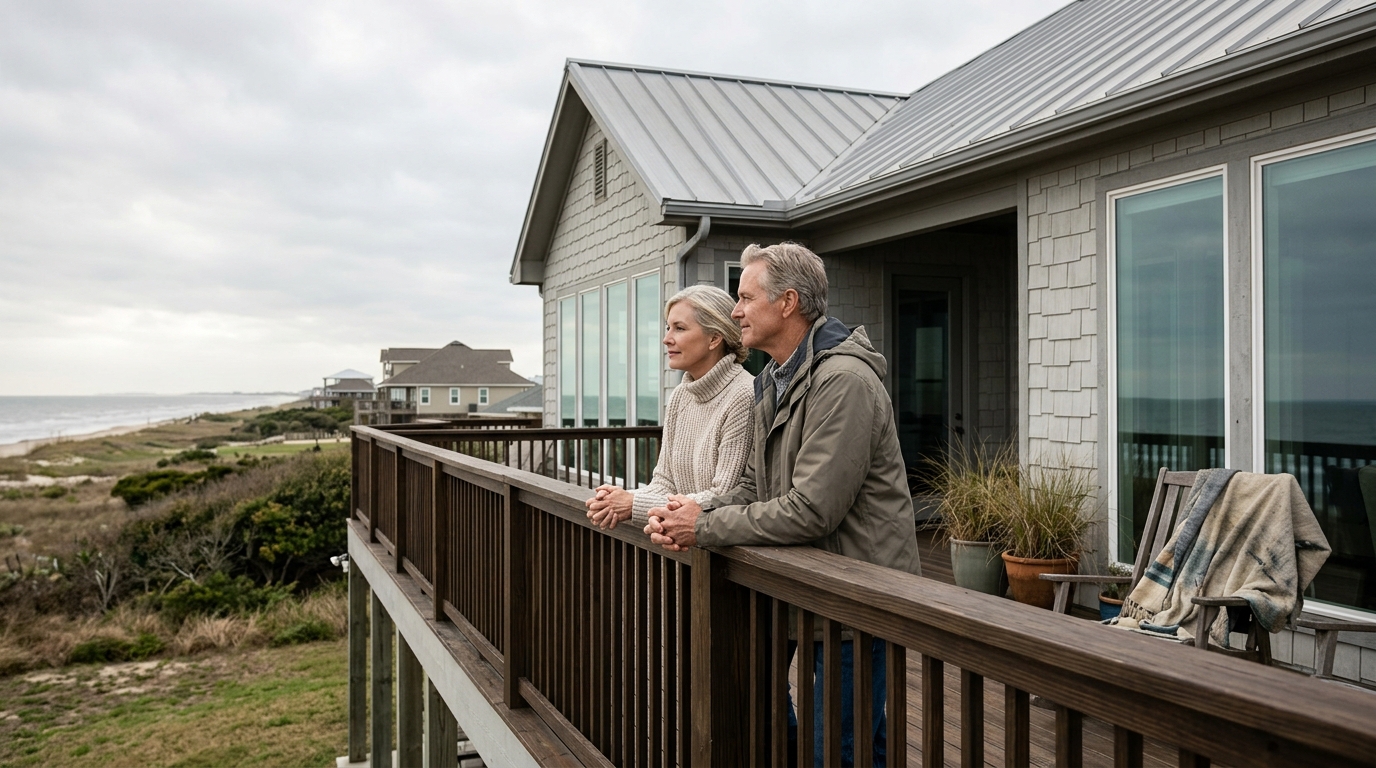
Property owners along the Gulf Coast face escalating exposure to severe weather events. Recent industry reports indicate that annual wind-related property damage now exceeds forty billion dollars nationwide, according to fema.gov. This financial reality drives the need for specialized standalone windstorm protection. Homeowners must understand how carriers calculate these specific premiums. Our agency analyzes regional risk models to deliver precise coverage solutions. We help clients navigate complex rating algorithms and secure affordable protection. Understanding these variables ensures you avoid coverage gaps during peak storm season. (Home Insurance Flood Windstorm)
Understanding Standalone Windstorm Coverage
Standalone windstorm insurance is a specialized policy that covers structural damage caused by high-velocity winds. Standard homeowners policies often exclude wind damage in high-risk coastal counties. This exclusion forces property owners to purchase separate coverage. Our team at Private Windstorm specializes in bridging this coverage gap. We evaluate your specific property characteristics to determine accurate pricing. Standalone windstorm insurance is a specialized policy that covers structural damage caused by high-velocity winds. This product typically includes roof damage, siding failure, and detached structure destruction. You can request a customized assessment through our home insurance quote portal. This process ensures your policy matches your exact exposure level.
Geographic Exposure and Proximity to Shorelines
Distance to the waterline remains the primary rating factor for coastal carriers. Properties located within three miles of the Gulf of Mexico face significantly higher base rates. Meteorological data shows that storm surge intensity increases exponentially as distance to shore decreases, according to weather.gov. Carriers apply distance-based surcharges to account for this physical reality. Our agency maps your exact coordinates against historical storm tracks. We also factor in local wind speed maps published by regional meteorological agencies. This geographic mapping directly impacts your annual premium calculation.
Structural Construction and Building Materials
The physical composition of your dwelling dictates the baseline risk score. Modern building codes require impact-resistant roofing and reinforced truss systems. Older structures without hurricane straps face steep rating penalties. Carriers inspect roof age, shingle type, and foundation material during underwriting. Windstorm insurance is a specialized policy that covers structural damage caused by high-velocity winds. Properties with concrete block construction typically receive lower premiums than wood frame homes. We recommend upgrading to impact-rated windows to reduce your exposure score. Our underwriters verify these construction details during the application process. You can schedule a free consultation to review your building specifications.
Elevation Ratings and Flood Zone Classifications
Federal emergency management agencies assign specific flood zone designations to every parcel. Properties located in high-risk flood zones face mandatory windstorm surcharges. The elevation of your foundation relative to the base flood elevation determines your rating tier. Homes built on elevated pilings or raised foundations receive favorable premium adjustments. Carriers cross-reference your property with official flood maps to verify elevation data, according to fema.gov. This elevation data directly impacts your standalone windstorm premium. We also offer comprehensive flood insurance to cover water intrusion below the base flood elevation.

Historical Claims Data and Regional Loss Ratios
Insurance carriers analyze decades of regional loss data to project future risk. Neighborhoods with frequent past claims face higher collective risk pools. Carriers adjust pricing based on the aggregate loss ratio for your specific zip code, according to iii.org. Properties located near large commercial structures face higher wind tunneling risks. Our agency tracks local claim frequencies to negotiate better carrier terms. You can review industry loss statistics through our quarterly risk reports. This historical data drives the base rate for your standalone policy. We leverage our carrier relationships to secure competitive pricing despite high regional loss ratios.
Policy Deductibles and Coverage Limits
Your chosen deductible directly controls your annual premium cost. Higher deductibles typically reduce your monthly or annual payment. Carriers offer percentage-based windstorm deductibles ranging from one to five percent of your dwelling limit. You must select a limit that matches your current replacement cost. Underinsuring your property creates severe financial exposure during a major event. We recommend conducting a professional replacement cost evaluation annually. Our team helps you balance deductible affordability with adequate protection limits. You can update your coverage limits through our claims services portal. This ensures your policy remains aligned with your actual financial exposure.
| Coverage Tier | Base Premium Range | Deductible Structure | Primary Protection Scope |
|---|---|---|---|
| Basic Structural | $800 to $1,200 annually | Flat $1,000 deductible | Roof and exterior walls only |
| Standard Coastal | $1,500 to $2,800 annually | Two percent dwelling limit | Full structural and detached structures |
| Premium Comprehensive | $3,200 to $5,500 annually | Five percent dwelling limit | Full structural, contents, and living expenses |
Key Takeaways
- Distance to the Gulf of Mexico remains the primary rating factor for coastal carriers.
- Properties located within three miles of the waterline face significantly higher base rates.
- Modern building codes require impact-resistant roofing and reinforced truss systems.
- Federal emergency management agencies assign specific flood zone designations to every parcel.
- Carriers analyze decades of regional loss data to project future risk.
- Higher deductibles typically reduce your monthly or annual payment.
- Our agency maps your exact coordinates against historical storm tracks.
Frequently Asked Questions
Does standard homeowners insurance cover wind damage in Texas City?
No. Standard homeowners policies typically exclude wind damage in high-risk coastal counties. You must purchase standalone windstorm protection to cover structural wind damage. Our agency specializes in bridging this coverage gap for local property owners.
How do carriers calculate windstorm premiums for elevated homes?
Carriers evaluate your foundation elevation relative to the base flood elevation. Homes built on elevated pilings or raised foundations receive favorable premium adjustments. We verify your elevation data during the application process to secure accurate pricing.
What happens to my premium if I upgrade to impact-resistant windows?
Upgrading to impact-rated windows typically reduces your exposure score. Carriers reward these construction improvements with lower premium calculations. We recommend documenting all upgrades to ensure your policy reflects the improvements.
Can I bundle standalone windstorm coverage with flood insurance?
Yes. We offer comprehensive flood insurance to cover water intrusion below the base flood elevation. Bundling these policies often reduces your overall administrative costs. You can request a customized assessment through our quote portal.
How often should I review my standalone windstorm policy?
We recommend conducting a professional replacement cost evaluation annually. Inflation and construction costs frequently outpace your original dwelling limit. Our team helps you balance deductible affordability with adequate protection limits.
What documentation do I need to secure a windstorm quote?
You will need your property address, current building specifications, and roof age. Our underwriters verify these construction details during the application process. You can schedule a free consultation to review your building specifications.
How does my zip code affect my standalone windstorm premium?
Carriers adjust pricing based on the aggregate loss ratio for your specific zip code. Neighborhoods with frequent past claims face higher collective risk pools. We leverage our carrier relationships to secure competitive pricing despite high regional loss ratios.
What is the typical claims process for windstorm damage?
You must report the damage to your carrier immediately after the storm passes. Our team assists you through the entire documentation and repair process. You can update your coverage limits through our claims services portal.
Secure Your Coastal Property Coverage Today
Navigating standalone windstorm protection requires precise risk assessment and carrier negotiation. Our agency has protected Texas City properties for over two decades. We analyze regional risk models to deliver precise coverage solutions. Contact our office to schedule your personalized policy review. Visit our about page to learn more about our team. We also provide comprehensive flood insurance to cover water intrusion below the base flood elevation. Reach out through our contact page to begin your protection strategy. Secure your property against severe weather events today.