
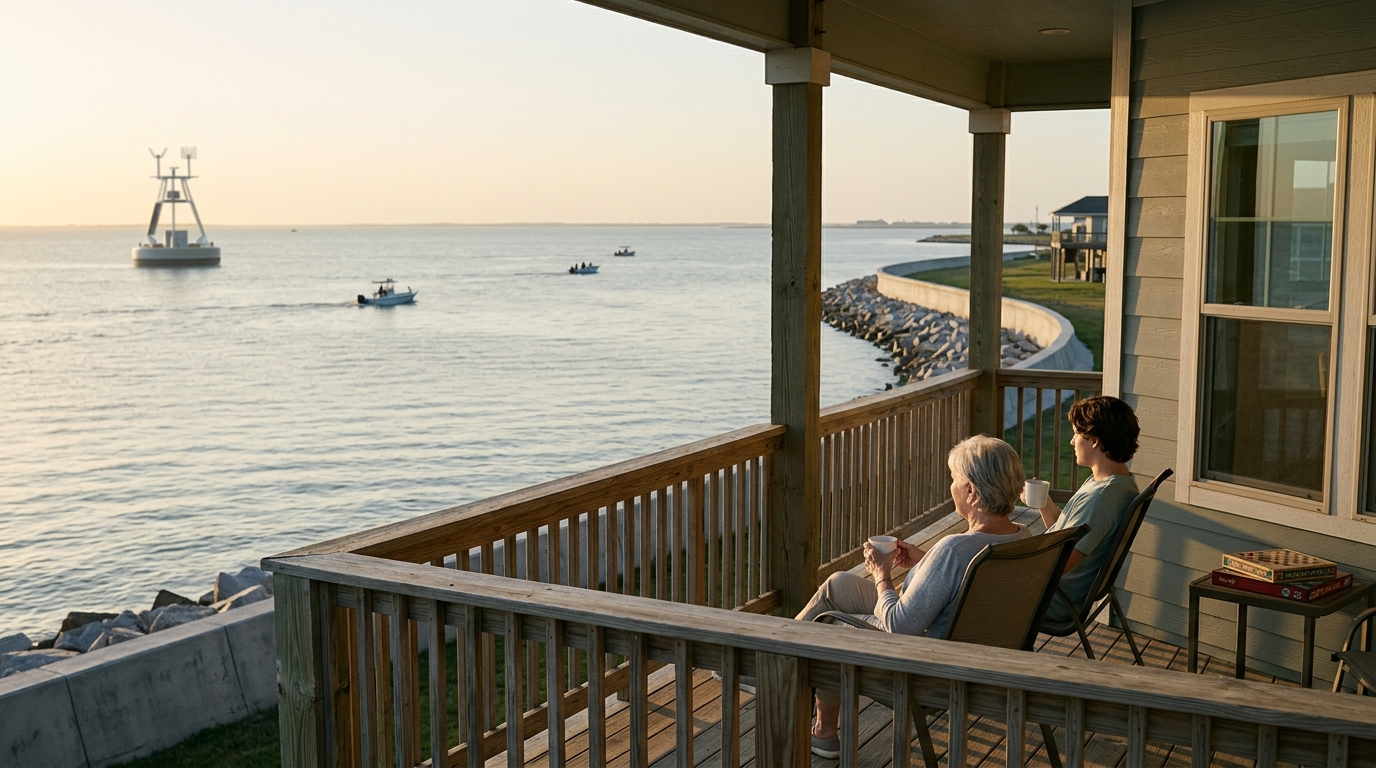
Living on the Texas Gulf Coast offers unparalleled beauty, but it also exposes homeowners to significant weather risks. Windstorm insurance is a critical component of property protection in this region, yet the cost of these policies can vary dramatically. Understanding the specific drivers behind premium costs is essential for budgeting and risk management. Recent industry data indicates that coastal property insurance costs have risen sharply due to increased severity of weather events and regulatory changes in the state. This guide details the exact factors that influence your windstorm coverage costs and how to manage them effectively. (Home Flood amp Windstorm)
Structural Integrity and Construction Details
The physical characteristics of your home are the primary determinant of your windstorm premium. Insurance carriers assess the likelihood of damage based on how well the structure can withstand high-velocity winds. Homes built with reinforced concrete, steel framing, or impact-resistant materials generally command lower premiums because they present a lower risk of catastrophic failure during a storm. (Home Insurance Flood Windstorm)
Windstorm insurance is a specialized policy that covers damage caused by wind, hail, and debris, which is typically excluded from standard homeowners policies in high-risk coastal zones. The age of your home also plays a significant role. Older homes may have outdated construction techniques that do not meet modern wind codes, leading to higher risk assessments. Conversely, newer constructions often benefit from updated building codes that reduce the likelihood of roof failure or structural collapse.
Another critical factor is the roof-to-wall attachment. Inspectors look for specific nailing patterns and adhesive use that secure the roof structure to the home's frame. If your home lacks these reinforcements, carriers may view it as vulnerable to uplift forces, resulting in increased costs. Regular maintenance and proof of recent upgrades can sometimes help mitigate these risks during the underwriting process.
Roofing Standards and WPI-8 Certificates
In Texas, the condition and certification of your roof are perhaps the most influential factors in determining windstorm insurance costs. Carriers require a detailed inspection to verify that the roof meets specific wind-resistant standards. This is where the WPI-8 Certificate becomes essential. The WPI-8 is a form used by Texas insurance companies to document the wind-resistant features of a roof.
According to industry guidelines, a roof that is less than three years old and has been inspected and certified by a licensed inspector often qualifies for significant premium discounts. This certification confirms that the roof meets the Texas Department of Insurance requirements for wind resistance. Without this certificate, carriers may assume the roof is older or less durable, leading to higher premiums or even denial of coverage.
The type of roofing material also matters. Metal roofs, concrete tiles, and certain asphalt shingles with high wind ratings are preferred by insurers. These materials are less likely to be torn off by high winds, reducing the potential for water intrusion and subsequent structural damage. If your roof is older than three years, you may need to undergo a more rigorous inspection process, which can add to the overall cost of obtaining your policy.
Location Risk and Flood Zones
Your specific geographic location within the coastal region heavily influences your premium. Proximity to the shoreline is a major risk indicator. Homes located in high-velocity wind zones (HVHZ) or those closer to the beach face greater exposure to storm surges and direct wind impacts. Insurers use detailed risk models to map these zones, assigning higher risk scores to properties in the most vulnerable areas.
Flood risk is another critical component. While windstorm insurance covers wind damage, it does not cover flood damage. However, the presence of flood risk affects the overall risk profile of the property. Flood insurance is typically required by lenders for properties in designated flood zones, and the cost of this separate policy adds to your total insurance burden. Properties in Zone AE or VE, which indicate high-risk flood areas, will see higher premiums across all insurance products.
Local building codes and community rating system (CRS) discounts also play a role. Communities that enforce stricter building codes and participate in the CRS program may offer discounts to homeowners who meet certain mitigation criteria. Understanding your local risk profile and any available community discounts can help you better anticipate your insurance costs.
Deductible Structures and Payouts
The choice of deductible is a direct lever for controlling your windstorm premium. Unlike standard homeowners insurance deductibles, which are often a fixed dollar amount, windstorm deductibles are typically a percentage of your home's insured value, ranging from 1% to 5% or more. A higher percentage deductible means you pay more out-of-pocket before coverage kicks in, but it significantly lowers your annual premium.
For example, if your home is insured for $500,000 and you choose a 2% windstorm deductible, you would be responsible for the first $10,000 of any wind-related claim. Choosing a 5% deductible would raise that amount to $25,000 but could reduce your premium by a substantial margin. This structure is designed to encourage homeowners to retain a portion of the risk, thereby reducing the frequency of small claims.
Understanding the difference between a percentage deductible and a flat deductible is crucial for coastal homeowners. Many standard policies use flat deductibles, but windstorm coverage almost always uses percentage-based deductibles. This means that even minor wind damage can result in a high out-of-pocket cost if the deductible is set too low. Carefully evaluating your financial ability to cover a percentage-based deductible is key to selecting the right policy.

Windstorm vs. Standard Home Insurance
It is vital to understand the distinction between standard homeowners insurance and standalone windstorm protection. Standard policies in Texas often exclude wind and hail damage in coastal counties. This exclusion necessitates the purchase of a separate windstorm policy or a specific endorsement to your homeowners policy.
| Feature | Standard Home Insurance | Windstorm Insurance |
|---|---|---|
| Coverage Scope | Fire, theft, liability, and some wind (non-coastal) | Specifically covers wind, hail, and debris impact |
| Deductible Type | Usually a flat dollar amount | Percentage of home's insured value |
| Roof Certification | Often not required for basic coverage | WPI-8 Certificate frequently mandatory |
| Flood Coverage | Excluded | Excluded (requires separate flood policy) |
| Availability | Widely available | Restricted to high-risk coastal zones |
As shown in the table above, the structural differences in coverage and deductibles mean that windstorm insurance operates on a different risk model. Homeowners must budget for both policies separately. The cost of windstorm insurance can be volatile, changing annually based on industry-wide loss data and regulatory adjustments in Texas.
Key Takeaways
- Roof Age Matters: Roofs under three years old with a valid WPI-8 certificate often qualify for premium discounts.
- Deductible Impact: Windstorm deductibles are percentage-based, not flat rates, significantly affecting out-of-pocket costs.
- Construction Quality: Reinforced structures and impact-resistant materials lower risk and premiums.
- Location Risk: Proximity to the coast and flood zone designation directly influence pricing tiers.
- Separate Policies: Windstorm coverage is often separate from standard homeowners insurance in coastal Texas.
- Historical Context: Brad Spurgeon Insurance Agency has served the Texas Gulf Coast since 1986, providing specialized guidance on these complex policies.
- Expert Guidance: Working with a local agency helps navigate the specific requirements of Texas windstorm regulations.
Frequently Asked Questions
What is a WPI-8 Certificate?
A WPI-8 Certificate is a document used in Texas to certify that a roof meets specific wind-resistant standards. It is often required by insurance carriers to issue windstorm coverage or to qualify for premium discounts.
Why is my windstorm deductible a percentage?
Percentage deductibles are used to align the policyholder's financial interest with the insurer's risk management goals. It ensures that homeowners have a stake in preventing minor claims, which helps keep overall premiums lower for everyone.
Does windstorm insurance cover flood damage?
No, windstorm insurance does not cover flood damage. Floods are considered a separate peril and require a distinct flood insurance policy, often provided through the National Flood Insurance Program (NFIP) or private carriers.
How does roof age affect my premium?
Older roofs are viewed as higher risk because they are more likely to fail under high winds. Homes with roofs older than three years may face higher premiums or require more extensive inspections to prove their wind resistance.
Can I get windstorm insurance if I live in a high-risk flood zone?
Yes, but you will likely need both windstorm and flood insurance. Living in a high-risk flood zone may increase the cost of both policies due to the compounded risk profile of the property.
What is the difference between wind and hail coverage?
While often bundled together in windstorm policies, wind coverage protects against damage from air pressure changes and flying debris, while hail coverage protects against damage from falling ice particles. Both are critical in coastal Texas.
How often do premiums change?
Premiums are typically reviewed annually. Changes can occur due to individual claim history, changes in the home's condition, or broader industry-wide rate adjustments driven by increased weather severity.
Get Your Windstorm Quote
Navigating the complexities of windstorm insurance in Texas requires local expertise and a deep understanding of regional risk factors. At Brad Spurgeon Insurance Agency, we have been protecting Texas Gulf Coast homeowners since 1986. We specialize in helping you find the right balance of coverage and cost for your specific needs.
Do not leave your home unprotected. Contact us today to schedule a free consultation and get a personalized windstorm insurance quote. Our team is ready to help you secure your property with confidence.
Get a Home Insurance Quote | Get a Flood Insurance Quote | Get a Windstorm Insurance Quote