
Living on the Texas Gulf Coast offers unparalleled beauty, but it also exposes homeowners to significant weather risks that directly impact insurance costs. Windstorm insurance is a specialized policy designed to cover damage caused by high winds, hail, and tornadoes, which are typically excluded from standard homeowners policies. For residents in high-risk zones, understanding the mechanics of premium calculation is essential for financial planning. Recent industry data indicates that wind-related claims account for a substantial portion of total property insurance losses in coastal regions, driving up base rates for everyone. This guide explores the specific variables that determine your windstorm premium and how to manage these costs effectively. (Home Insurance Flood Windstorm)
Understanding Windstorm Coverage
Windstorm insurance is a distinct type of property coverage that protects your home against damage from high winds, hail, and tornadoes. Standard homeowners insurance policies in Texas often exclude wind and hail damage, particularly in coastal counties. This exclusion exists because the frequency and severity of wind events in these areas create a high-risk environment for insurers. Windstorm insurance provides coverage for structural damage, roof repairs, and personal property loss resulting from these specific weather events.
For homeowners in Galveston, Texas City, and surrounding coastal communities, securing this coverage is not just a recommendation but often a necessity. Without it, a single severe storm could result in devastating financial loss. The Texas Department of Insurance regulates these policies to ensure transparency, but the underlying risk remains high. Understanding what is covered helps homeowners appreciate why premiums are structured the way they are. It is a specialized product designed to fill the gap left by traditional insurance models.
Many homeowners are surprised to learn that their standard policy does not protect against wind damage. This is why windstorm insurance is a critical component of a comprehensive risk management strategy. It ensures that your home can be repaired or rebuilt without catastrophic out-of-pocket expenses. The cost of this protection varies widely based on several key factors, which we will explore in detail below.
Location and Risk Zones
Your geographic location is the single most significant factor influencing your windstorm premium. Insurers use complex actuarial models to assess the probability of wind events in specific areas. Homes located in high-risk coastal zones, such as Galveston County and the Texas Gulf Coast, face higher premiums due to the increased likelihood of hurricanes and tropical storms. Proximity to the coastline directly correlates with risk levels, with homes closer to the water facing steeper costs.
Insurers also consider the elevation of your property. Homes built on higher ground may qualify for lower premiums compared to those in low-lying areas prone to storm surge. Additionally, the presence of natural barriers, such as dunes or forests, can mitigate wind impact and potentially lower costs. However, in many coastal communities, these natural barriers have been diminished over time, increasing the risk profile for residents.
Regulatory changes and insurance market dynamics also play a role. In recent years, the withdrawal of major insurers from the Texas market has led to increased reliance on the Texas Windstorm Insurance Association (TWIA). TWIA provides a safety net for homeowners who cannot find coverage in the private market, but its rates are also subject to change based on aggregate loss experience. Understanding your specific risk zone is the first step in estimating your potential costs.
Construction and Construction Quality
The physical characteristics of your home significantly impact your windstorm premium. The age, design, and materials used in construction determine how well your home can withstand high winds. Older homes, particularly those built before modern building codes were implemented, often face higher premiums because they are more vulnerable to damage. Modern building codes require enhanced wind resistance features, such as reinforced roof decking and impact-resistant windows, which can lower premiums.
The roof is a critical component of windstorm protection. The type of roofing material, its age, and its installation quality all influence risk assessments. Hail-resistant roofing materials, such as Class 4 shingles, can significantly reduce premiums because they are less likely to be damaged by wind-driven debris. Additionally, the roof shape plays a role. Homes with hip roofs generally perform better in high winds than those with gable roofs, which are more susceptible to uplift.
Other structural elements, such as the foundation and wall construction, also matter. Homes built with concrete blocks or reinforced concrete walls offer greater protection than those with wood frame construction. Insurers may require a wind mitigation inspection to verify these features before issuing a quote. This inspection provides a detailed report on your home's resilience, which can lead to substantial premium reductions if the home meets specific criteria.
Deductibles and Policy Structure
The structure of your insurance policy, particularly the deductible, has a direct impact on your premium. A deductible is the amount you pay out of pocket before your insurance coverage kicks in. In windstorm policies, deductibles are often calculated as a percentage of your home's insured value rather than a flat dollar amount. Choosing a higher deductible can significantly lower your premium, but it also increases your financial responsibility in the event of a claim.
Homeowners must carefully balance their budget with their risk tolerance. A lower deductible means lower out-of-pocket costs during a claim but higher monthly or annual premiums. Conversely, a higher deductible reduces your premium but requires you to have sufficient savings to cover the deductible if a storm occurs. It is essential to understand the specific terms of your windstorm deductible, as it may differ from your standard homeowners policy deductible.
Policy limits and coverage extensions also affect costs. Ensuring that your home is adequately insured for its replacement cost is crucial. Underinsuring your home can lead to significant gaps in coverage, while overinsuring can result in unnecessary premium expenses. Working with a knowledgeable agent can help you determine the right balance of coverage and cost for your specific situation.
Mitigation and Discounts
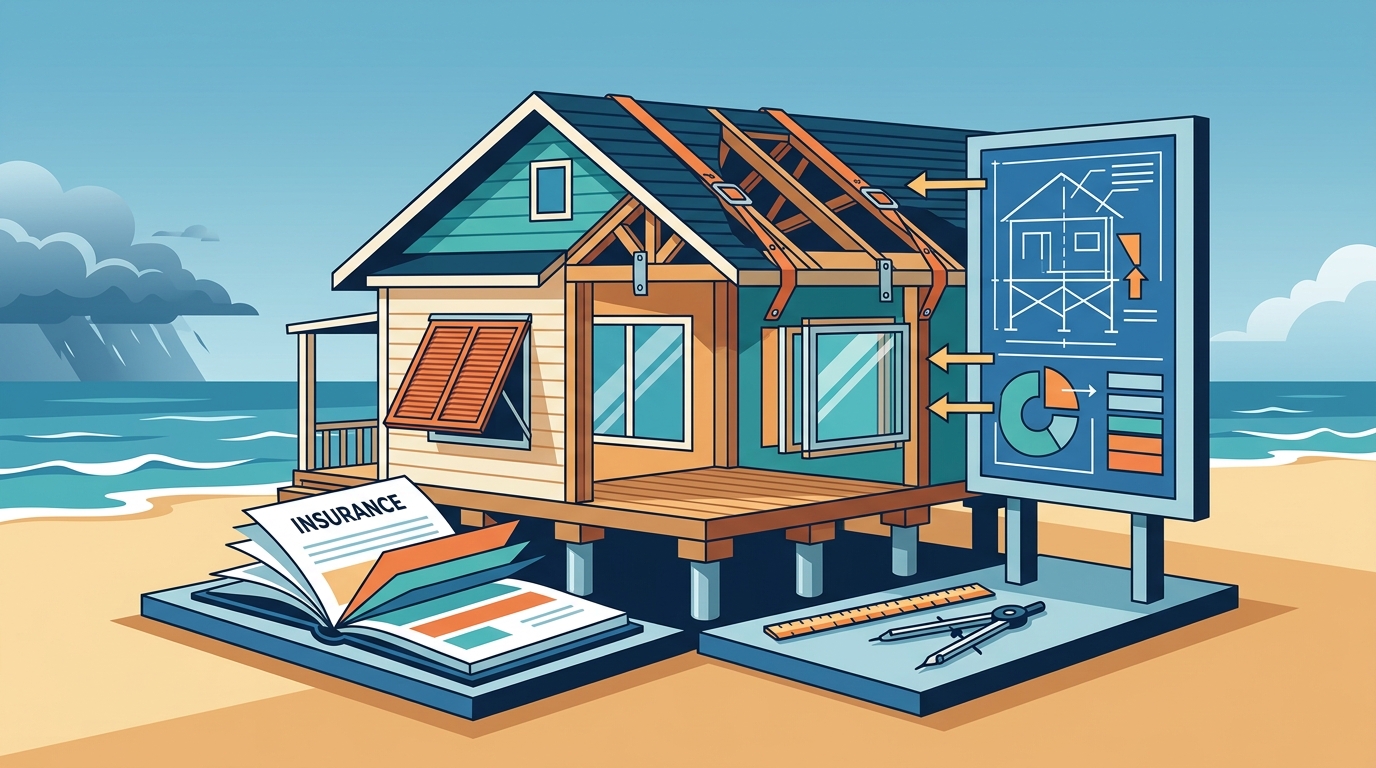
Homeowners can take proactive steps to reduce their windstorm premiums through mitigation and discounts. Insurers often offer premium reductions for homes that have been upgraded with wind-resistant features. These upgrades can include hurricane shutters, reinforced garage doors, and improved roof attachments. Implementing these mitigation measures demonstrates a lower risk profile to insurers, which can translate into tangible savings.
Many insurance companies require documentation of these upgrades, such as a wind mitigation inspection report, to apply the discounts. This report details the specific features of your home that enhance its wind resistance. By investing in these improvements, homeowners not only lower their premiums but also increase the safety and resilience of their property. It is a win-win situation that protects both your wallet and your home.
Additionally, some insurers offer discounts for bundling multiple policies, such as home and auto insurance. This bundling can provide significant savings and simplify your insurance management. It is worth exploring these options with your insurance provider to see what discounts are available. Taking advantage of these opportunities can help offset the high costs associated with windstorm coverage.
Comparing Insurance Providers
Not all insurance providers price windstorm coverage the same way. Rates can vary significantly between companies based on their risk appetite, underwriting guidelines, and operational costs. Comparing quotes from multiple insurers is essential to ensure you are getting the best possible rate for your coverage needs. This process involves gathering detailed information about your home and your risk profile to provide accurate quotes.
Working with a local insurance agency can provide valuable insights into the market. Local agents understand the specific risks and nuances of the Texas Gulf Coast region. They can help you navigate the complex landscape of windstorm insurance and identify the best options for your situation. Brad Spurgeon Insurance Agency has served the Texas Gulf Coast for decades, providing expert guidance on windstorm and flood insurance.
When comparing providers, look beyond just the premium cost. Consider the financial strength of the insurer, the quality of their customer service, and their claims handling process. A lower premium from a less reputable company may result in poor service when you need it most. Reading customer reviews and checking ratings from agencies like A.M. Best can provide additional context.
| Factor | Impact on Premium | Mitigation Strategy |
|---|---|---|
| Proximity to Coast | High | Understand risk zones and elevation benefits |
| Roof Age and Type | High | Install Class 4 shingles or hip roof design |
| Deductible Level | Medium | Choose a higher deductible to lower costs |
| Wind Mitigation Features | Medium | Upgrade shutters, garage doors, and attachments |
| Insurance Provider | Variable | Compare quotes from multiple local agencies |
Key Takeaways
- Windstorm insurance is essential for Texas Gulf Coast homeowners as standard policies often exclude wind and hail damage.
- Location is the primary driver of premiums, with coastal proximity and elevation significantly impacting risk assessments.
- Construction quality, including roof type and age, plays a critical role in determining insurance costs and resilience.
- Higher deductibles can lower premiums, but homeowners must ensure they have the financial capacity to cover them.
- Wind mitigation upgrades, such as hurricane shutters and reinforced roofs, can qualify for significant premium discounts.
- Comparing quotes from multiple insurers and working with local experts like Brad Spurgeon Insurance Agency is crucial for finding the best coverage.
- Understanding the difference between percentage-based wind deductibles and standard deductibles is vital for financial planning.
Frequently Asked Questions
What is windstorm insurance?
Windstorm insurance is a specialized policy that covers damage to your home caused by high winds, hail, and tornadoes, which are typically excluded from standard homeowners insurance policies.
Why is windstorm insurance so expensive in Texas?
Premiums are high due to the frequent and severe weather events in the Texas Gulf Coast region, including hurricanes and tropical storms, which create a high-risk environment for insurers.
How does my home's location affect my premium?
Your proximity to the coastline and your property's elevation are key factors. Homes closer to the water or in lower elevations face higher risks and thus higher premiums.
Can I lower my windstorm premium?
Yes, you can lower your premium by increasing your deductible, installing wind mitigation features like hurricane shutters, and maintaining a strong credit score.
What is a wind mitigation inspection?
A wind mitigation inspection is a detailed report that evaluates your home's wind-resistant features, such as roof construction and window protection, which can lead to premium discounts.
Does standard homeowners insurance cover wind damage?
In many parts of Texas, particularly coastal counties, standard homeowners policies exclude wind and hail damage, necessitating a separate windstorm policy.
How do I choose the right deductible?
Choose a deductible that balances your monthly budget with your ability to pay out-of-pocket in the event of a claim. Higher deductibles lower premiums but increase financial risk.
Get Your Quote
Navigating the complexities of windstorm insurance can be challenging, but you do not have to do it alone. Expert guidance can help you secure the right coverage at a competitive price. Get a free home insurance quote today to protect your property and your peace of mind. Contact Brad Spurgeon Insurance Agency Inc. at (409) 945-4746 or visit our office at 1118 14th Street North, Texas City, Texas 77590. We are dedicated to helping you understand your options and find the best solution for your needs.