
Securing coverage for high-risk coastal properties has become increasingly difficult in recent years. According to recent industry data, over 40% of homeowners in hurricane-prone regions face difficulties obtaining standard windstorm coverage due to stricter underwriting guidelines. This statistic highlights the urgent need for strategic preparation when navigating the insurance market. If you have been turned down by multiple providers, it does not mean you are uninsurable. It means you need a different approach. This guide outlines the precise steps to rebuild your eligibility and secure a policy that protects your home against wind and hail damage.
Diagnose the Root Cause of Rejection
Before you can fix the problem, you must understand why the previous applications failed. Insurance carriers use automated underwriting systems that flag specific risk factors. Common reasons for rejection include an aging roof, lack of wind mitigation features, or a history of frequent claims. Understanding these triggers allows you to address them proactively.
Windstorm insurance is a specialized form of coverage that protects your property from damage caused by high winds and hail. Unlike standard homeowners policies, which may exclude wind damage in coastal zones, windstorm policies are essential for Gulf Coast homeowners. If your roof is older than ten years, many carriers will automatically decline the application. This is not a reflection of your credit or character, but a purely mathematical risk assessment.
To move forward, request a detailed explanation for each denial. Some carriers provide a "decline letter" that specifies the exact risk factors. Use this information to target your mitigation efforts. If the rejection was due to a specific structural issue, such as a weak roof deck, you must repair it before applying again. Applying with the same unresolved issues will result in repeated denials and further damage to your insurability profile.
Mitigate Structural Vulnerabilities
Once you know the reasons for rejection, the next step is to physically improve your home's resilience. Insurance companies reward risk reduction with eligibility and lower premiums. The most critical area of focus is the roof. A roof that meets current wind mitigation standards is often the key to approval.
Consider installing impact-resistant windows and doors. These features reduce the likelihood of wind entering the home and causing internal pressure buildup, which is a primary cause of roof failure during storms. Additionally, ensure that all exterior fixtures, such as gutters and shutters, are securely attached. Carriers look for evidence that the home has been maintained to withstand high-velocity winds.
Another vital step is to upgrade your roof attachment system. If your roof is not tied down to the home's structure with proper clips or straps, it is vulnerable to uplift. A professional inspection can identify these weak points. Addressing them before applying for insurance demonstrates to underwriters that you are a low-risk client. This proactive approach significantly increases your chances of approval.
Compile Comprehensive Documentation
When you apply for insurance, you are not just asking for a quote; you are submitting a risk assessment package. The quality of your documentation directly impacts the underwriter's decision. You must provide clear, verifiable proof of your home's condition and your mitigation efforts.
Start by gathering all receipts and invoices for recent repairs. This includes roof replacements, window upgrades, and structural reinforcements. Ensure that these documents include dates, contractor names, and detailed descriptions of the work performed. If you have a wind mitigation inspection report, include it prominently in your application. This report provides a standardized assessment of your home's wind-resistant features.
Additionally, provide a current photo inventory of your home's exterior. High-resolution images of the roof, siding, windows, and foundation can help underwriters see the condition of the property without an immediate physical visit. If you have previously filed claims, provide the closure letters from those claims to show that the issues were resolved. Transparency builds trust with underwriters and can help overcome initial hesitations.
Engage Specialized Carriers
If standard carriers continue to reject your application, it is time to look at specialized insurance markets. These carriers are specifically designed to cover high-risk properties that traditional insurers avoid. They have different underwriting criteria and are often more flexible regarding property age and condition.
Working with a specialized agency is crucial in this phase. General insurance agents may not have access to these niche markets. A specialized agency understands the nuances of windstorm underwriting and knows which carriers are currently accepting new business in your area. They can match your specific risk profile with the right carrier.
At Brad Spurgeon Insurance Agency, we specialize in connecting Texas Gulf Coast homeowners with the right windstorm coverage. Our team has years of experience navigating the complex insurance landscape. We understand the specific requirements of carriers like WPI-8 and other specialized providers. By leveraging our relationships and expertise, we can help you find a policy that fits your needs and budget.
Understand Policy Options
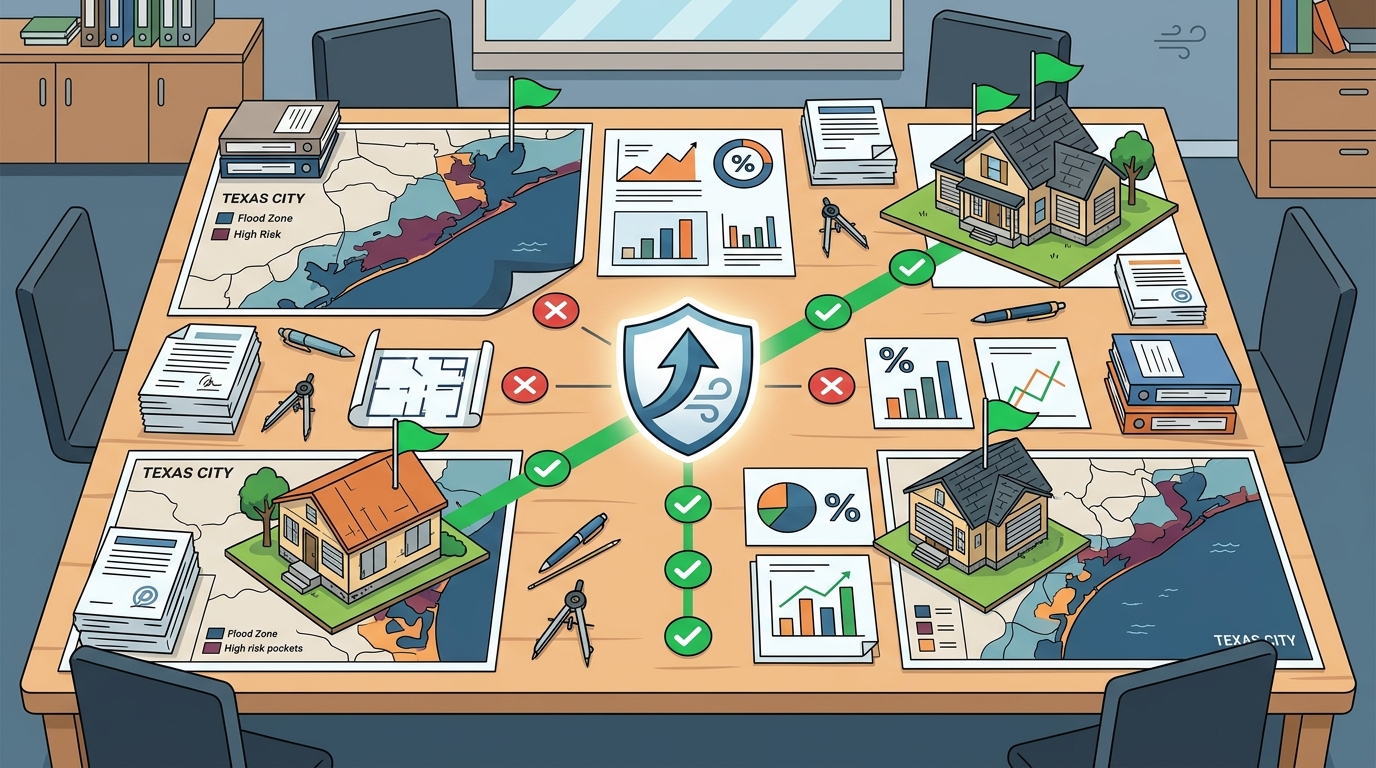
Once you find a carrier willing to write the policy, you must understand the terms. Windstorm policies can vary significantly in their coverage limits, deductibles, and exclusions. It is important to read the fine print to ensure you are adequately protected.
One option to consider is a windstorm-included home policy. This type of policy bundles wind coverage with your standard homeowners insurance, simplifying your management and potentially reducing costs. However, not all carriers offer this option, and eligibility requirements may be stricter. Evaluate whether this option makes sense for your specific situation.
Another consideration is the deductible structure. Windstorm deductibles are often percentage-based rather than flat dollar amounts. For example, a 2% deductible on a $500,000 home means you pay $10,000 out of pocket before coverage begins. Understand how this deductible works and whether you can adjust it to lower your premium. Higher deductibles can significantly reduce your premium costs, but they also increase your financial exposure in the event of a claim.
| Policy Type | Coverage Scope | Best For | Key Consideration |
|---|---|---|---|
| Standalone Windstorm | Wind and hail damage only | High-risk coastal zones | Must be paired with homeowners policy |
| Wind-Included Home | Comprehensive coverage | Homeowners seeking simplicity | Stricter eligibility requirements |
| Flood Insurance | Water damage from flooding | FEMA flood zones | Not included in standard wind policies |
| Umbrella Policy | Liability excess coverage | High-net-worth individuals | Requires underlying liability limits |
Key Takeaways
- Identify the Denial Reason: Request specific decline letters to understand underwriting flags.
- Upgrade Your Roof: A roof under 10 years old with proper tie-downs is often a mandatory requirement.
- Document Everything: Provide receipts, inspection reports, and photo inventories to prove risk mitigation.
- Use a Specialist: Work with an agency that has access to specialized carriers like WPI-8.
- Review Deductibles: Understand percentage-based deductibles and their impact on your premium.
- Consider Bundling: Evaluate wind-included policies for simplicity and potential cost savings.
- Stay Proactive: Regular maintenance and upgrades keep your home insurable in a volatile market.
Frequently Asked Questions
Can I get windstorm insurance if my roof is older than 10 years?
It is challenging but possible. Some specialized carriers may accept older roofs if they are in good condition and have been recently inspected. However, you may face higher premiums or specific exclusions. Mitigating other risk factors can help offset the age of the roof.
What is the difference between windstorm and flood insurance?
Windstorm insurance covers damage from high winds and hail, such as roof tearing or broken windows. Flood insurance covers damage from rising water, such as storm surge or heavy rain flooding. Standard windstorm policies do not cover flood damage, so you need separate coverage for both.
How long does the underwriting process take?
The underwriting process can take anywhere from a few days to several weeks, depending on the carrier and the complexity of your risk profile. Providing complete documentation upfront can speed up the process significantly.
What is a WPI-8 certificate?
A WPI-8 certificate is a standardized form used in Texas to report wind mitigation features of a home. It provides a detailed assessment of your home's wind-resistant construction, which can lead to significant premium discounts.
Do I need a wind mitigation inspection?
While not always mandatory, a wind mitigation inspection is highly recommended. It provides the data needed to qualify for discounts and helps you understand your home's specific risk factors. It also serves as valuable documentation for underwriters.
Can I switch insurance carriers if I am rejected?
Yes, you can apply with multiple carriers. However, frequent applications can lead to more rejections if the underlying issues are not addressed. Focus on improving your home's risk profile before applying to new carriers.
What is a wind-included home policy?
A wind-included home policy combines your homeowners insurance with windstorm coverage into a single policy. This simplifies management and ensures you have comprehensive protection. Eligibility requirements may be stricter than for standalone wind policies.
Get Your Quote Today
Do not let multiple rejections discourage you. With the right strategy and expert guidance, you can secure the windstorm coverage you need. Brad Spurgeon Insurance Agency is here to help you navigate this complex process. We specialize in finding solutions for homeowners who have been turned down by other providers. Contact us today to schedule a free consultation and get a quote that works for you.