
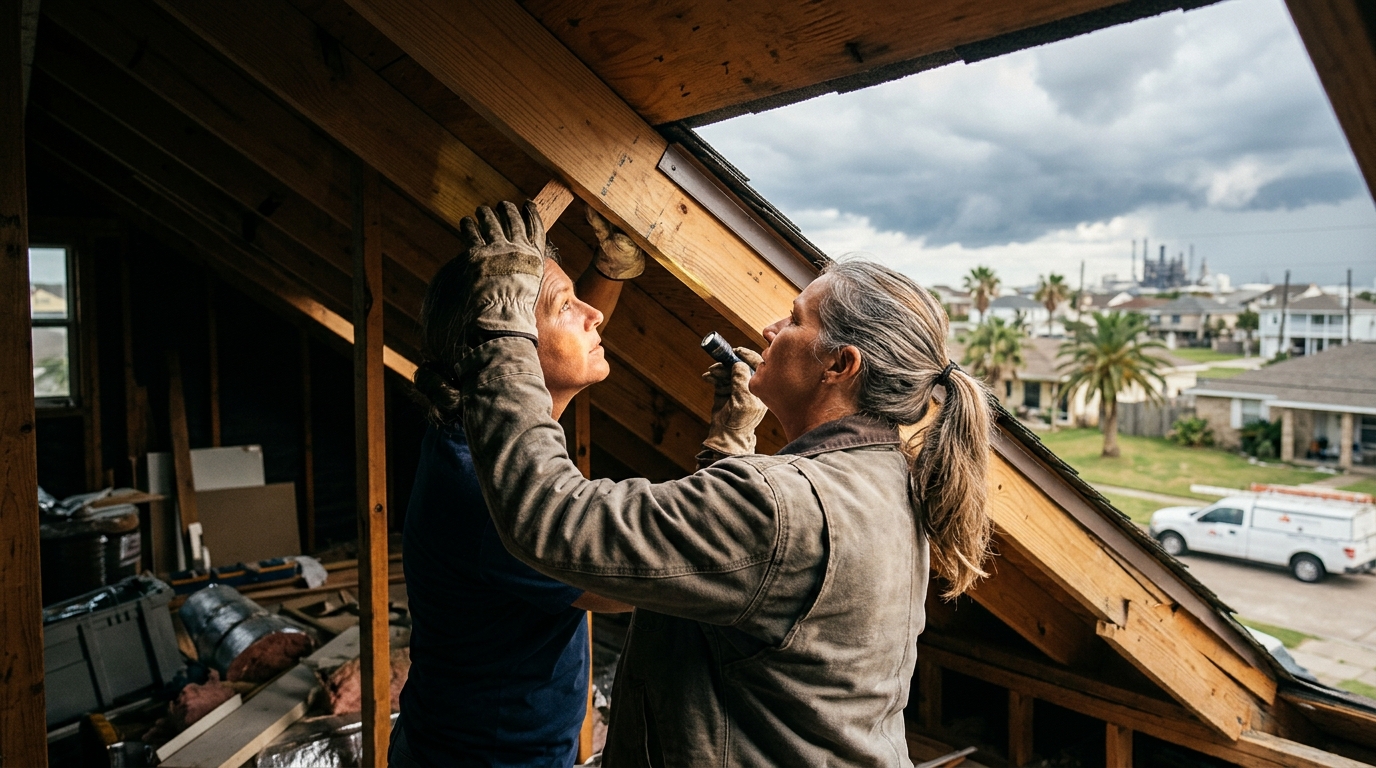
Securing adequate coverage in high-risk coastal regions is increasingly difficult. Recent industry data indicates that windstorm insurance premiums have surged by over 20% in many Gulf Coast states due to rising claim frequencies. This financial pressure has led many carriers to tighten underwriting guidelines, resulting in higher rejection rates for homeowners with older roofs or previous claims. If you have been turned down by multiple providers, do not panic. There are specific, actionable steps you can take to improve your eligibility and secure the necessary protection for your property.
Understand Why You Were Rejected
The first step in overcoming an insurance rejection is understanding the specific reason behind it. Insurance companies do not reject applications arbitrarily. They rely on actuarial data to assess risk. Windstorm insurance is a specialized policy that covers damage to your home and property caused by high winds, hail, and associated weather events. Standard homeowners policies often exclude this coverage in coastal zones, making the windstorm policy critical.
Common reasons for rejection include an aging roof, lack of wind mitigation features, or a history of frequent claims. If your roof is older than 10 to 15 years, many carriers will automatically decline coverage or require a roof certification. Understanding this baseline allows you to address the root cause rather than just applying to more companies blindly. You can learn more about windstorm insurance basics to understand the scope of coverage you need.
Roof Mitigation and Certification
For most homeowners in Texas and other Gulf Coast states, the roof is the primary point of failure during wind events. If your rejection was due to roof age, you have two main paths forward. The first is to replace the roof with a Class 4 impact-resistant material. These roofs are designed to withstand hail and high winds, often qualifying you for significant premium discounts and making you eligible for carriers that previously rejected you.
The second path is obtaining a roof certification. A certified roof inspection verifies that your current roof is in good condition and meets specific wind-resistant standards. This document is often required by carriers who are willing to write policies on older homes. Without this certification, you may be forced into the state-backed flood insurance and windstorm pools, which can be more expensive and have higher deductibles. Visit our WPI-8 Certificate Guide to understand the specific documentation carriers require.
Gather Comprehensive Documentation
When you reapply, you must present your case as a low-risk profile. This means gathering all relevant documentation that proves your home is fortified against wind damage. This includes photos of your roof, proof of recent upgrades, and records of any wind mitigation features you have installed.
Key mitigation features include hurricane clips, reinforced garage doors, and impact-resistant windows. If you have these features, ensure they are documented in your application. Carriers often offer lower premiums for homes with these upgrades. By providing a complete package of evidence, you demonstrate to the underwriter that you are proactive about risk management. This transparency can be the difference between approval and rejection. Check our services page for more details on how we help clients navigate this process.
Work with Specialized Carriers
Not all insurance carriers operate the same way. Some major national carriers have exited the Texas windstorm market entirely or have very strict underwriting guidelines. If you have been rejected by large carriers, it is time to look at specialized regional carriers. These companies have a deeper understanding of local risks and are often more flexible in their underwriting criteria.
Brad Spurgeon Insurance Agency Inc. has been serving the Texas Gulf Coast since 1986. As a third-generation family agency, we specialize in connecting homeowners with the right carriers, even in complex cases. We work with multiple insurance partners who may have different risk appetites. By leveraging our relationships, we can find a carrier that fits your specific situation. Learn more about our agency and our commitment to client service.
Explore Alternative Policy Structures
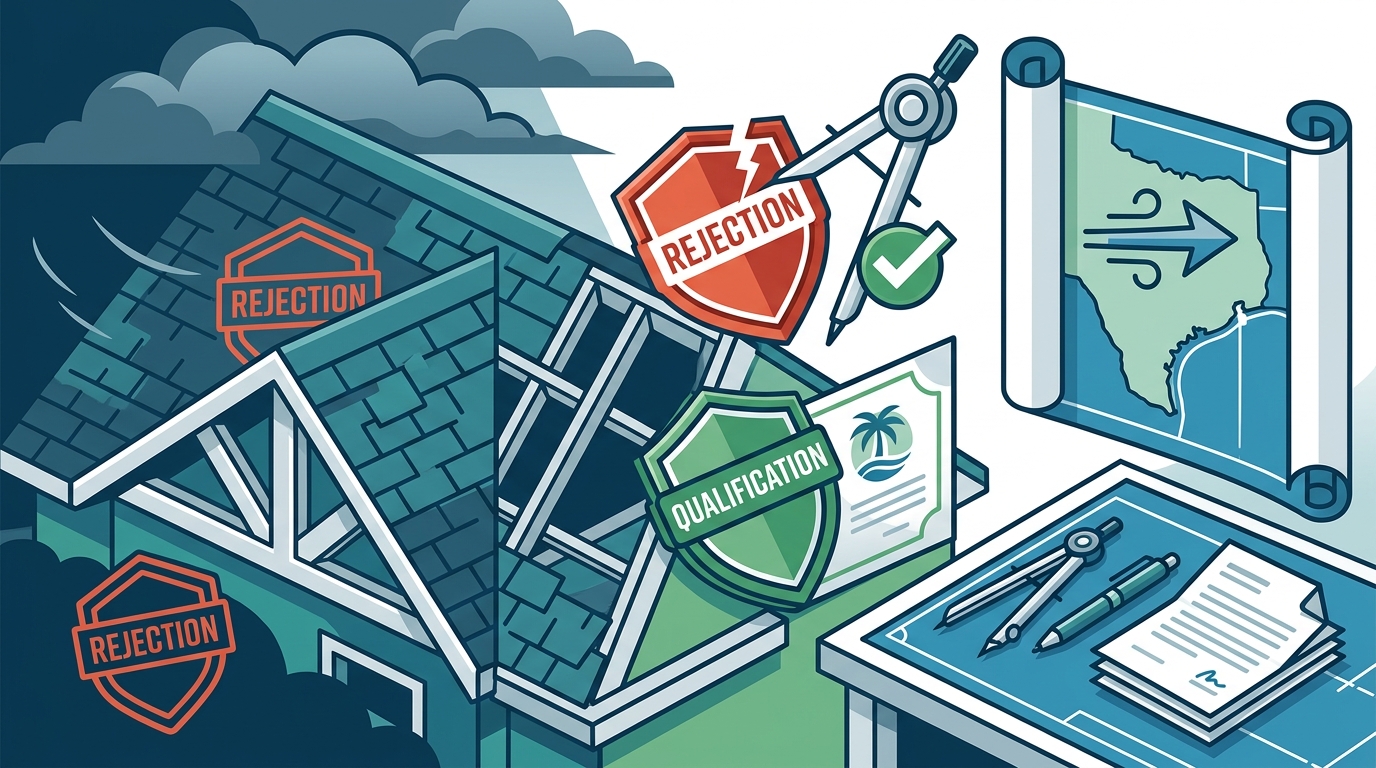
If traditional windstorm policies remain elusive, you may need to consider alternative policy structures. Some carriers offer a "Windstorm Included Home Policy" which bundles wind coverage into a broader homeowners package. This can simplify your insurance portfolio and potentially make you more attractive to underwriters.
Another option is to look into umbrella insurance policies. While these do not replace primary home coverage, they provide additional liability protection that can be crucial if your home is damaged. It is also important to ensure you have adequate flood insurance, as windstorm policies do not cover flood damage. Many homeowners mistakenly believe their windstorm policy covers water damage from rising waters, which is a common and costly misconception. Review our insurance carriers to see which options are available to you.
Frequently Asked Questions
Can I get windstorm insurance with an old roof?
Yes, but it is more difficult. You will likely need a roof certification from a licensed inspector to prove the roof is in good condition. Some carriers may require you to replace the roof within a certain timeframe as a condition of the policy.
What is the difference between windstorm and flood insurance?
Windstorm insurance covers damage from high winds and hail. Flood insurance covers damage from rising water, such as storm surges or heavy rain flooding. Standard policies do not cover floods, so you need a separate policy for that coverage.
How long does the insurance application process take?
The process can take anywhere from a few days to a few weeks, depending on the complexity of your case and the responsiveness of the underwriters. Having all your documentation ready can speed up the process significantly.
What is a WPI-8 certificate?
A WPI-8 certificate is a specific form used in Texas to document wind mitigation features. It provides details about your roof, garage doors, and other wind-resistant upgrades, which can help lower your premium.
Why did my insurance company cancel my policy?
Companies may cancel policies due to non-payment, fraud, or if the property no longer meets their underwriting guidelines, such as an aging roof. If you are rejected during the application process, it is usually due to risk assessment.
Do I need a local agent for windstorm insurance?
While not legally required, working with a local agent who understands the Texas Gulf Coast market is highly beneficial. They can help you navigate complex regulations and find carriers that are willing to write policies in high-risk areas.
What is a windstorm deductible?
A windstorm deductible is often a percentage of your home's insured value, rather than a flat dollar amount. This means your out-of-pocket cost for wind damage could be significantly higher than a standard deductible.
Secure Your Coverage Today
Do not let multiple rejections leave your home unprotected. Navigating the windstorm insurance market in Texas requires expertise and persistence. Brad Spurgeon Insurance Agency Inc. is here to help you find the right coverage. We specialize in helping homeowners who have been turned down by other providers. Contact us today for a free consultation and let us help you secure the peace of mind you deserve. Visit our contact page or call us at (409) 945-4746.