
Homeowners in coastal regions face unique risks that standard policies often ignore. According to recent industry data, over 20% of all natural disaster claims in the United States are related to flooding or wind damage, yet standard homeowners insurance rarely covers these perils. This gap forces property owners to choose between government-backed safety nets and private market solutions. Understanding the structural differences between these options is critical for protecting your asset against Gulf Coast weather events. (Home Insurance Flood Windstorm)
Understanding the Basics of Wind Coverage
Windstorm insurance is a specialized policy designed to cover damage caused by high winds, hurricanes, and tornadoes. Standard homeowners policies often exclude this coverage in high-risk coastal zones. This exclusion creates a need for separate policies or endorsements. The two primary sources for this coverage are state-run insurance pools and private commercial insurers.
State-run pools, such as the Texas Windstorm Insurance Association (TWIA), act as insurers of last resort. They are designed to ensure that wind coverage remains available in areas where private companies may withdraw. Private market insurers, on the other hand, are commercial entities that operate for profit. They offer wind coverage as part of broader home insurance packages or as standalone policies. The fundamental difference lies in their mission: public stability versus private profitability.
Coverage Limits and Structural Differences
One of the most significant differences between these two models is the structure of coverage limits. State-run pools typically have strict maximum limits on dwelling coverage. For example, TWIA has historically capped dwelling coverage at specific dollar amounts, which may not reflect the current rebuilding costs of luxury or large homes in Texas City. This cap can leave homeowners underinsured if construction costs rise rapidly.
Private market insurers often offer higher or unlimited dwelling limits. They can tailor policies to the specific value of your home, including high-end finishes and custom structures. Private policies also frequently include broader definitions of "windstorm," covering damage from hail, tornadoes, and even certain types of water damage that state pools might exclude. Windstorm insurance provides coverage for property damage caused by high winds, not included in standard policies. This distinction is vital for coastal homeowners who need comprehensive protection.
Deductible Structures
Deductibles also vary significantly. State-run pools often use a percentage-based deductible, which is calculated as a percentage of the dwelling coverage limit. For a $300,000 policy with a 2% deductible, the homeowner pays the first $6,000 of any claim. Private insurers may offer flat-dollar deductibles or lower percentage options, depending on the risk profile and the homeowner's claims history.
Cost and Affordability Factors
Premium costs are a major driver in the decision between state and private coverage. State-run pools are often subsidized by the state government, which can result in lower premiums for homeowners in high-risk zones. This affordability makes them an attractive option for budget-conscious homeowners who need basic wind protection.
However, private market premiums can be competitive, especially for newer homes built to strict wind-resistant codes. Private insurers may offer discounts for impact-resistant windows, reinforced roofing, or security systems. While the base premium might be higher, the overall value could be greater due to broader coverage and higher limits. According to market analysis, private insurers are increasingly investing in risk modeling to offer more accurate pricing for coastal properties.
Reinsurance Costs
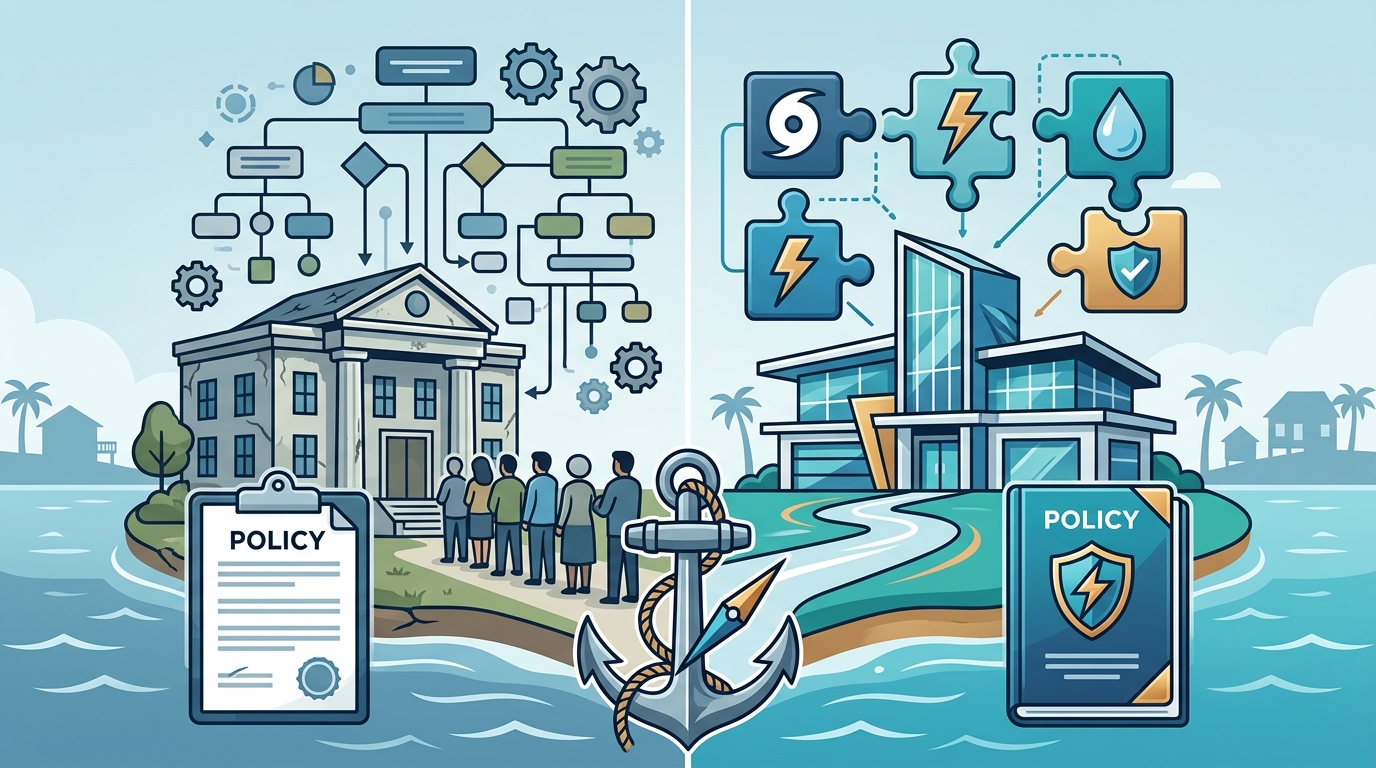
Both types of insurers rely on reinsurance to manage risk. State-run pools often purchase reinsurance from the private market, which can lead to premium spikes when reinsurance costs rise. Private insurers manage this risk directly, which can lead to more stable pricing for long-term policyholders who maintain their homes well.
Claims Processing and Experience
The claims process is often where the difference in service quality becomes most apparent. State-run pools can experience longer processing times due to high volumes of claims during major storm events. Their infrastructure may be stretched thin during catastrophic events, leading to delays in payment and repair coordination.
Private insurers typically have more robust claims management systems and dedicated adjusters. They often provide faster initial assessments and more personalized support throughout the claims process. For homeowners who value quick resolution and clear communication, private insurers may offer a superior experience. Home Insurance protects your property and belongings from risks like fire, theft, and natural disasters. When a wind event occurs, the speed of response can significantly impact your ability to recover.
Adjuster Availability
During major hurricanes, the availability of independent adjusters can be a challenge for both sectors. However, private insurers often have established networks of preferred adjusters who can mobilize quickly. State-run pools may rely on temporary adjusters, which can lead to inconsistencies in claim evaluations.
Eligibility and Access to Policies
Access to coverage is another critical differentiator. State-run pools are designed to be accessible to all homeowners in designated windstorm zones, regardless of their risk profile. This universal access is their primary mandate. However, they may have strict eligibility requirements, such as requiring the home to be built to specific code standards.
Private insurers, being profit-driven, may decline to write policies in the highest-risk zones. They may also impose stricter underwriting guidelines, requiring recent roof inspections or wind-resistant upgrades before issuing a policy. This can create a coverage gap for homeowners who cannot meet these requirements. If you are not thrilled with your current insurance contact us today to explore your options.
Policy Renewal Stability
State-run pools may face legislative changes that affect their ability to renew policies or adjust premiums. Private insurers, while subject to market forces, generally offer more predictable renewal terms for long-term customers. This stability can be valuable for homeowners planning to stay in their properties for many years.
Comparative Analysis of Options
The table below summarizes the key differences between state-run pools and private market windstorm coverage.
| Feature | State-Run Pool (e.g., TWIA) | Private Market Insurer |
|---|---|---|
| Coverage Limits | Strict maximum caps on dwelling coverage | Flexible or unlimited limits based on home value |
| Premium Cost | Often lower due to state subsidies | Variable, but may offer discounts for risk mitigation |
| Claims Speed | Can be slower during major events | Typically faster with dedicated adjuster networks |
| Eligibility | Universal access in designated zones | Subject to underwriting and risk assessment |
| Policy Breadth | Often limited to wind and hail only | Can include broader perils and higher limits |
Key Takeaways
- State-run pools provide a safety net for homeowners in high-risk zones where private coverage may be unavailable.
- Private insurers often offer higher coverage limits and more comprehensive protection for luxury or custom homes.
- Premiums for state-run pools may be lower, but private insurers can offer competitive rates for well-maintained properties.
- Claims processing is generally faster and more personalized with private insurers due to dedicated adjuster networks.
- Eligibility for private coverage may require specific building codes or recent inspections, which state pools do not always enforce.
- Brad Spurgeon Insurance Agency has served Texas City and all Texas Gulf Coast communities since 1986, providing expert guidance on these complex choices.
- Understanding the WPI-8 certificate is essential for navigating windstorm insurance requirements in Texas.
Frequently Asked Questions
What is the Texas Windstorm Insurance Association (TWIA)?
TWIA is a state-run insurance pool that provides windstorm and hail coverage to homeowners in designated coastal counties in Texas. It acts as an insurer of last resort.
Can I get windstorm coverage from a private insurer?
Yes, many private insurance companies offer windstorm coverage. However, availability may depend on your home's location and its compliance with local building codes.
How do deductibles differ between state and private policies?
State-run pools typically use percentage-based deductibles, while private insurers may offer flat-dollar deductibles or lower percentages based on risk factors.
Which option is better for a new home?
New homes built to strict wind-resistant codes may qualify for better rates with private insurers. They often offer higher limits and broader coverage options.
What is a WPI-8 certificate?
A WPI-8 certificate is a document issued by the Texas Windstorm Insurance Association that verifies a home's eligibility for windstorm coverage based on its construction and location.
Do I need flood insurance if I have windstorm coverage?
Yes, windstorm insurance does not cover flood damage. Flood insurance provides coverage for property damage caused by flooding, not included in standard policies. You need a separate flood policy.
How can I compare quotes from different providers?
You can compare quotes by contacting local agents who represent both state-run pools and private insurers. They can provide a side-by-side analysis of coverage and cost.
Next Steps for Your Coverage
Navigating the differences between state-run and private windstorm insurance requires expert guidance. At Brad Spurgeon Insurance Agency, we specialize in helping homeowners make informed decisions. We offer free consultations to review your current policy and explore new options. Get a Free Insurance Quote today to ensure your home is protected against the next storm. Visit our About Our Agency page to learn more about our 3rd generation family commitment to the Texas Gulf Coast. For more resources, check out our Blog for tips on home insurance and risk management.