
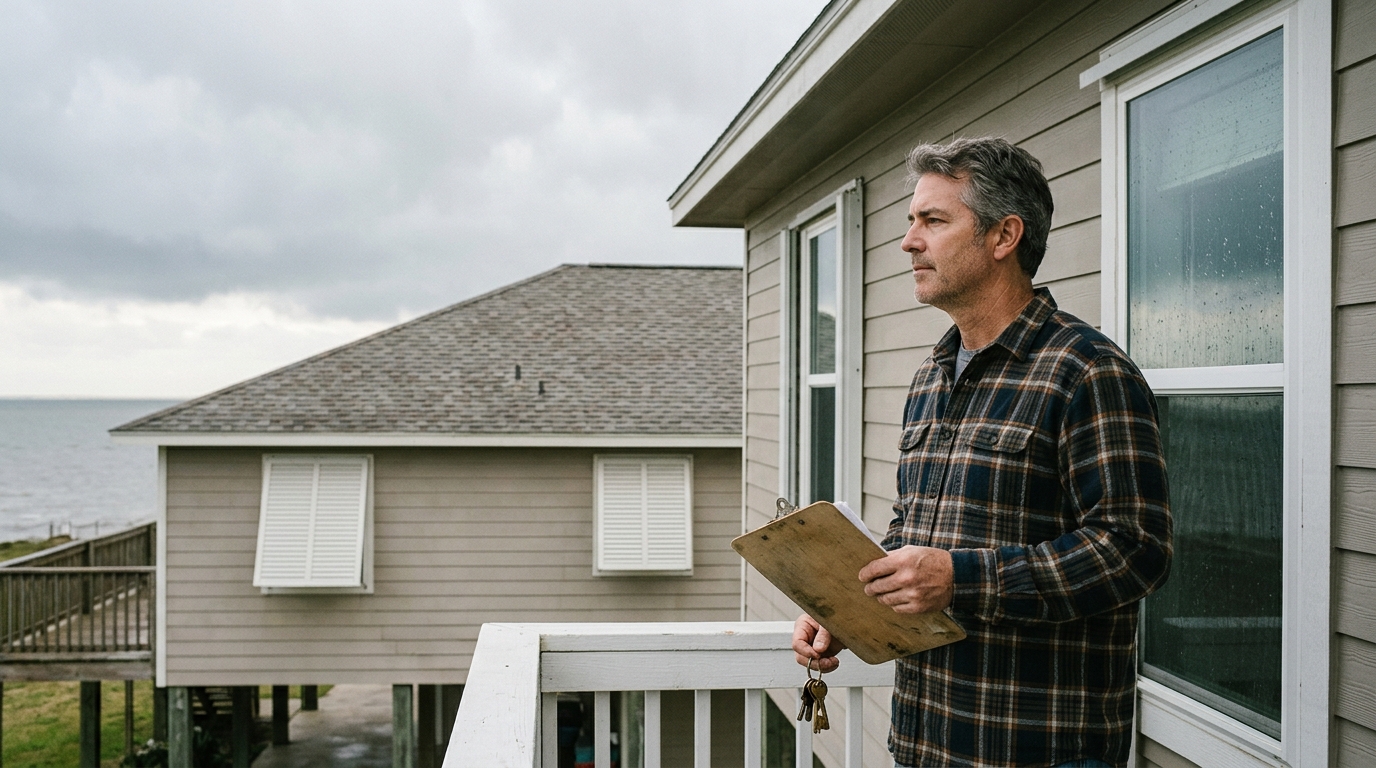
Living on the Texas Gulf Coast means accepting a unique set of environmental risks that standard insurance models often fail to address adequately. Recent data indicates that wind and hail damage account for the majority of property claims in coastal Texas, yet many homeowners remain underinsured due to critical policy misunderstandings. According to the Insurance Information Institute, wind-related claims have consistently ranked among the top causes of property loss in hurricane-prone regions, highlighting the urgent need for precise coverage evaluation. This article outlines the most frequent errors homeowners make when reviewing their wind coverage, helping you avoid financial devastation during storm season.
Understanding Windstorm Exclusions
One of the most pervasive errors in the Texas insurance market is the assumption that a standard homeowners policy automatically covers wind damage. This is fundamentally incorrect for many coastal regions. Windstorm insurance is a specialized coverage type that often requires a separate policy or a specific endorsement, particularly in counties prone to hurricanes and tropical storms.
Homeowners in Galveston, Texas City, and surrounding areas must verify if their wind coverage is included in their base policy or if it is excluded entirely. In many cases, insurers in high-risk zones require a distinct windstorm policy to ensure adequate protection against the unique forces of coastal weather. Without this specific layer of protection, a homeowner could face total financial liability for roof damage, siding loss, or structural compromise caused by high winds.
At Brad Spurgeon Insurance Agency, we specialize in clarifying these distinctions for our clients. We help homeowners navigate the complex landscape of Windstorm Insurance to ensure their policies align with the specific risks of their geographic location. Understanding the difference between a standard HO-3 policy and a windstorm endorsement is the first step toward true peace of mind.
The Deductible Confusion Trap
Another critical mistake involves the type of deductible applied to wind and hail claims. Unlike standard perils that might use a flat dollar amount deductible, wind and hail coverage often utilizes a percentage-based deductible. This means your out-of-pocket cost is calculated as a percentage of your home's insured value, not a fixed fee.
For example, if your home is insured for $500,000 and you have a 2% wind deductible, you would be responsible for $10,000 before your insurance kicks in. Many homeowners are shocked by this figure when a storm hits. It is essential to understand how this percentage is applied and to compare it against the potential cost of repairs. A lower percentage deductible might seem attractive, but it often comes with a higher annual premium. Balancing these two factors requires careful analysis of your financial situation and risk tolerance.
We provide Windstorm Insurance Quotes that clearly break down these deductible structures, allowing you to make an informed decision. By understanding the mechanics of your deductible, you can avoid the surprise of a massive out-of-pocket expense when you need coverage the most.
Replacement Cost vs. Actual Cash Value
The distinction between Replacement Cost Value (RCV) and Actual Cash Value (ACV) is a pivotal factor in determining the adequacy of your coverage. Replacement Cost Value is the amount needed to rebuild your home with materials of similar kind and quality, without deducting for depreciation. In contrast, Actual Cash Value factors in depreciation, which can significantly reduce the payout you receive after a loss.
Many homeowners inadvertently carry ACV coverage for their dwelling, believing they have full protection. However, in the event of a total loss due to wind, ACV coverage might leave you with insufficient funds to rebuild. This gap can be catastrophic, forcing homeowners to take on debt or settle for inferior rebuilding materials. Ensuring your policy is written on an RCV basis is non-negotiable for coastal homeowners.
Our team at Brad Spurgeon Insurance Agency Inc. reviews your policy details to confirm that your dwelling coverage is set to Replacement Cost. We also offer guidance on Home Insurance options that maximize your protection against depreciation gaps. This proactive approach ensures that your coverage keeps pace with the rising costs of construction materials and labor in the Texas Gulf Coast region.
Structural Integrity Misconceptions
Homeowners often overlook the importance of their home's structural integrity in relation to their insurance coverage. Many policies offer discounts or require specific upgrades, such as hurricane straps, impact-resistant windows, or reinforced roofing. Failing to maintain or upgrade these features can lead to higher premiums or even coverage denials if the home does not meet current wind-resistant standards.
Furthermore, some policies may have specific exclusions for damage caused by poor maintenance or lack of upkeep. If your roof is near the end of its lifespan, a wind event might be deemed a result of wear and tear rather than a covered peril. Regular inspections and timely repairs are not just maintenance tasks; they are insurance necessities.
We encourage our clients to utilize our Policy Review services to assess their home's current risk profile. By aligning your home's physical condition with your policy's requirements, you minimize the risk of claim disputes. Our agency also provides resources on Flood Insurance, as wind-driven rain and flooding often occur simultaneously, requiring a comprehensive approach to property protection.
Navigating the Claim Process Pitfalls
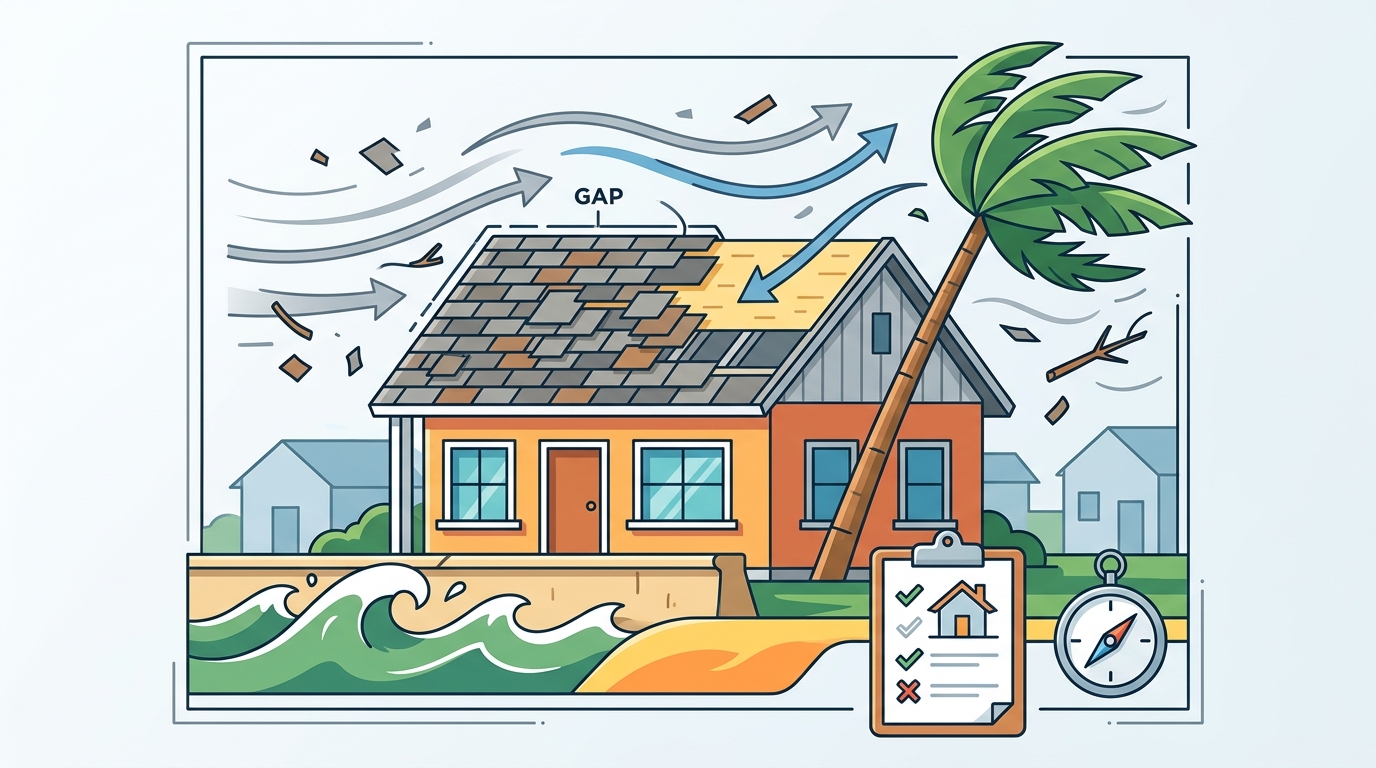
The period immediately following a storm is chaotic, and homeowners often make critical errors in the claims process. One common mistake is delaying the notification of the insurance carrier. Prompt reporting is essential to initiate the claims process and secure the attention of adjusters who may be overwhelmed in the aftermath of a major weather event.
Another error is attempting to make permanent repairs before an adjuster has inspected the damage. While temporary mitigation, such as tarping a roof, is often required to prevent further loss, permanent repairs can complicate the adjuster's assessment of the original damage. Documenting the damage with photos and videos before any work begins is also crucial for supporting your claim.
Brad Spurgeon Insurance Agency Inc. is committed to supporting our clients through every step of this process. We offer Report a Claim assistance and can help you understand the documentation required for a smooth settlement. Our experience in the local market means we understand the nuances of how carriers handle wind and hail claims in Texas, giving you an advantage in negotiations.
Key Takeaways
- Verify Wind Coverage: Ensure your policy explicitly includes windstorm coverage, as it is often excluded in standard homeowners policies in coastal Texas.
- Understand Deductibles: Wind and hail deductibles are typically percentage-based, not flat dollar amounts, which can result in significant out-of-pocket costs.
- Choose Replacement Cost: Always opt for Replacement Cost Value (RCV) coverage for your dwelling to avoid depreciation gaps in the event of a total loss.
- Maintain Structural Integrity: Keep your home's roof and windows in good condition to avoid claim denials based on wear and tear or lack of maintenance.
- Act Quickly: Report claims promptly and document damage thoroughly before making any permanent repairs.
- Seek Expert Advice: Work with a local agency like Brad Spurgeon Insurance Agency Inc. that understands the specific risks of the Texas Gulf Coast.
- Review Annually: Conduct an annual policy review to ensure your coverage limits keep pace with construction costs and home improvements.
Frequently Asked Questions
What is the difference between windstorm insurance and homeowners insurance?
Homeowners insurance is a broad policy that covers various perils, but in high-risk coastal areas, wind damage is often excluded. Windstorm insurance is a specialized policy or endorsement that specifically covers damage caused by high winds, hurricanes, and tropical storms, filling the gap left by standard policies.
How is a wind deductible calculated?
A wind deductible is typically calculated as a percentage of your home's insured value. For example, a 2% deductible on a $400,000 home would require you to pay $8,000 out of pocket before your insurance coverage begins. This is different from a standard deductible, which is a fixed dollar amount.
Does flood insurance cover wind damage?
No, flood insurance covers damage caused by rising water from external sources, such as heavy rain or storm surges. It does not cover damage caused by wind, such as a roof being torn off or windows broken by debris. You need separate windstorm coverage for that.
What should I do immediately after a wind storm?
First, ensure your safety and the safety of your family. Then, document all damage with photos and videos. Make temporary repairs to prevent further damage, such as tarping a leaking roof, but keep receipts for these costs. Finally, contact your insurance agent or carrier to report the claim.
Why do I need a local insurance agent for wind coverage?
Local agents understand the specific wind risks and regulatory requirements of the Texas Gulf Coast. They can help you navigate the complex landscape of insurance carriers that operate in high-risk zones and ensure you have the right type of coverage for your specific property.
Can I get wind coverage if my home is older?
Yes, but older homes may require specific inspections or upgrades to qualify for certain policies or discounts. Insurers may require hurricane straps or impact-resistant windows to mitigate risk. Working with an experienced agency can help you find carriers willing to insure older properties.
How often should I review my wind coverage?
You should review your wind coverage annually, especially after any major renovations or changes in construction costs. Additionally, review your policy before hurricane season to ensure your limits are adequate and your deductible is manageable.
Secure Your Home's Future Today
Do not wait for the next storm to reveal the gaps in your coverage. Protecting your home on the Texas Gulf Coast requires a proactive and informed approach to insurance. Brad Spurgeon Insurance Agency Inc. has served the community since 1986, providing expert guidance on Home Insurance, Flood Insurance, and Windstorm Insurance.
Contact us today for a free consultation and quote. We are here to help you navigate the complexities of coastal insurance with confidence and clarity.