
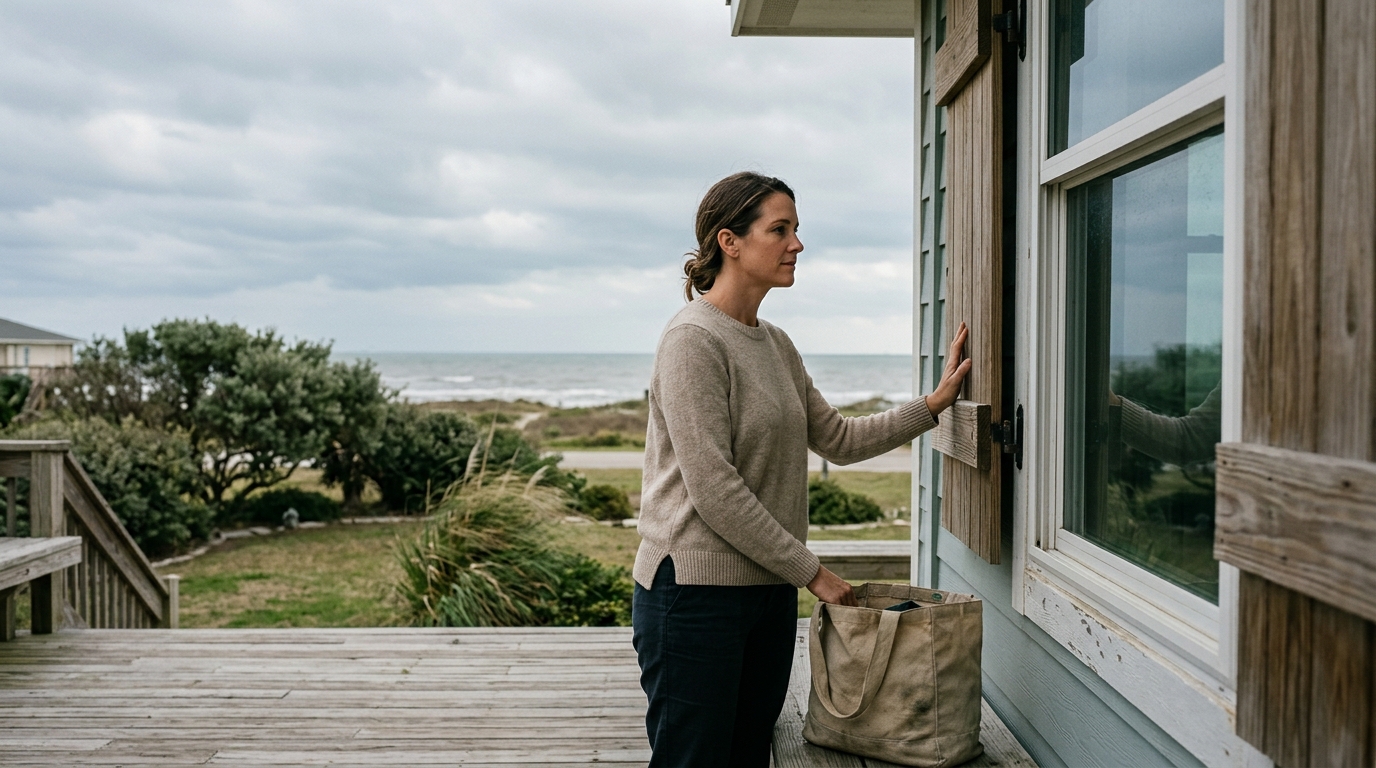
Coastal living offers unparalleled beauty, but it also demands rigorous preparation for severe weather events. Windstorm insurance is a critical component of any coastal property portfolio, yet many homeowners overlook the physical preparation of their homes. Recent data indicates that a significant percentage of structural damage during storms is caused by preventable maintenance failures rather than the storm's intensity alone. Understanding these vulnerabilities is the first step toward protecting your investment and ensuring your family's safety.
Ignoring Roof Integrity and Shingle Condition
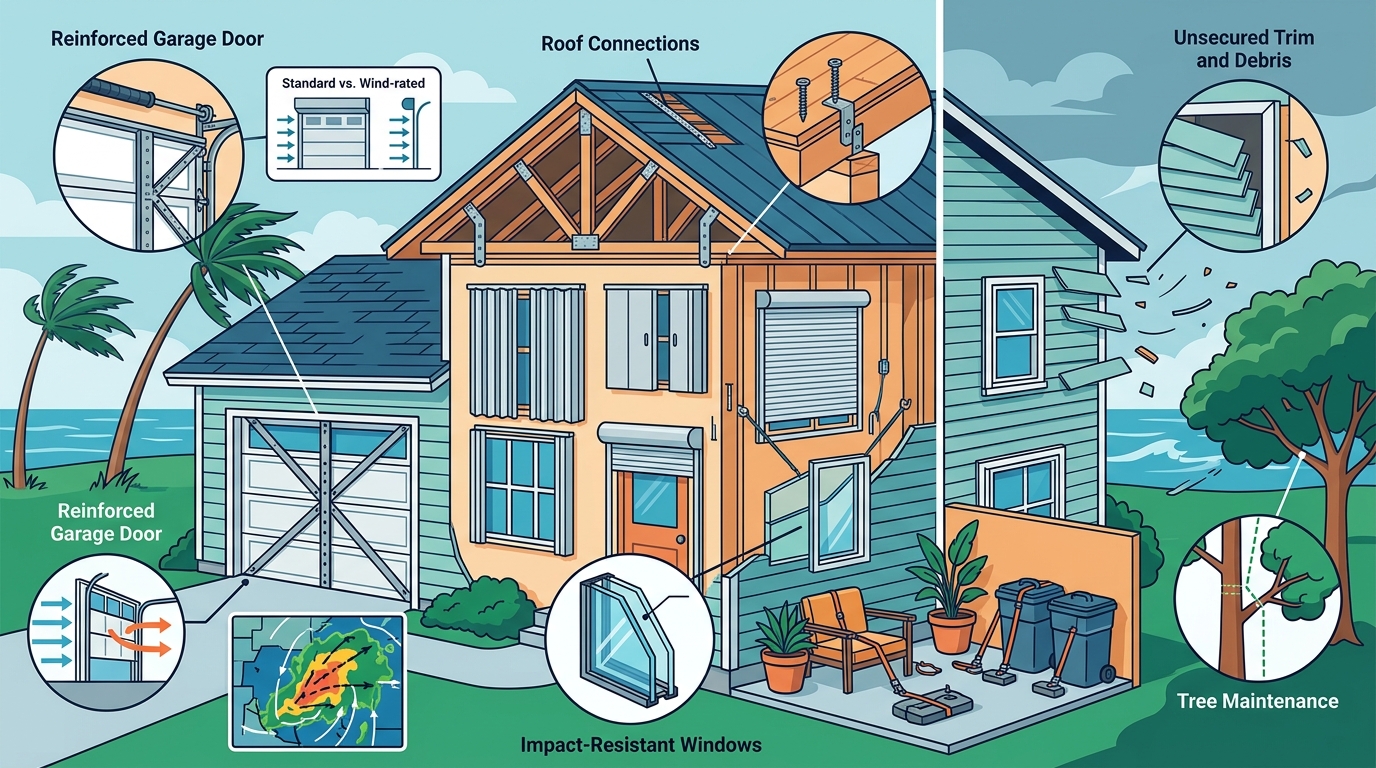
The roof is the primary defense against wind-driven rain and debris. Many homeowners assume that a roof looks fine from the ground and requires no attention. This is a dangerous misconception. Roof integrity is defined as the structural ability of the roofing system to resist uplift forces and water intrusion during high-velocity winds.
One of the most common mistakes is failing to inspect shingles for curling, cracking, or missing granules. These signs indicate that the roof is nearing the end of its lifespan and may fail under pressure. According to industry reports, roofs older than 10 years are significantly more susceptible to wind damage. Homeowners often wait until a leak appears to act, but by then, the underlying decking may already be compromised.
To avoid this, schedule a professional roof inspection before hurricane season. Look for loose flashing around chimneys and vents, as these are common entry points for wind-driven rain. If your roof is older, consider upgrading to impact-resistant materials. Windstorm insurance policies often have specific requirements regarding roof age and condition. Failing to meet these standards can result in denied claims or higher premiums.
Underestimating Window and Door Vulnerability
Windows and exterior doors are weak points in a home's envelope. When wind pressure builds inside a structure due to a breach, it can cause the roof to lift off. This phenomenon, known as the "ballooning effect," is a leading cause of total structural failure in hurricanes.
Homeowners frequently forget to install or test hurricane shutters. While plywood is a common temporary solution, it is often installed incorrectly, creating sharp edges and failing to secure the window properly. Impact-resistant glazing is defined as window or door glass designed to withstand projectile impact without shattering.
Another mistake is neglecting the garage door. The garage door is typically the largest opening in a home. If it fails, wind enters the structure, creating internal pressure that can blow out walls and the roof. Ensure your garage door has a wind-rated bracing system. Regular maintenance of door hinges and locks is also essential to prevent them from being blown open by gusts.
Neglecting Gutter Systems and Drainage
Water damage is often more costly than wind damage. Clogged gutters and downspouts are a frequent oversight. When gutters are full of leaves and debris, rainwater cannot flow away from the foundation. This leads to pooling water, which can seep into the basement or crawl space, causing mold and structural decay.
Homeowners should clean gutters at least twice a year. Install gutter guards to reduce maintenance frequency. Ensure downspouts extend at least five feet away from the foundation. In coastal areas, where rainfall can be intense, proper drainage is critical to preventing flood-related damage. Flood insurance is necessary because standard home policies do not cover water entering from the ground up.
Additionally, inspect the landscape grading around your home. The ground should slope away from the foundation to direct water flow. Poor grading is a silent killer of coastal properties, leading to long-term foundation issues that are expensive to repair.
Misunderstanding Policy Coverage Limits
Many coastal homeowners believe their standard home insurance policy covers all storm-related damage. This is a critical error. Standard policies typically exclude windstorm and flood damage in high-risk coastal zones. Homeowners must purchase separate windstorm insurance and flood insurance to be fully protected.
Another mistake is underinsuring the home. Replacement cost estimates often fall short of actual construction costs, especially in coastal areas where labor and materials are more expensive. If your policy is based on outdated valuations, you may face a significant financial gap after a loss. Review your coverage limits annually with a trusted agent.
Understanding deductibles is also vital. Windstorm deductibles are often a percentage of the home's insured value, not a flat dollar amount. For a $500,000 home with a 2% wind deductible, the homeowner is responsible for the first $10,000 of wind damage. Knowing this figure helps in financial planning and decision-making during a storm.
Delaying Claim Processes After Minor Damage
After a storm, homeowners often wait to file claims until major damage is visible. This delay can complicate the process. Insurance companies require prompt notification of losses. Delaying can lead to disputes over whether the damage was caused by the recent storm or pre-existing conditions.
Document all damage immediately. Take photos and videos before making any temporary repairs. Keep receipts for materials used in temporary fixes, as these may be reimbursable. Work with a reputable insurance agency that understands the local market. Brad Spurgeon Insurance Agency has decades of experience helping coastal homeowners navigate the claims process efficiently.
Regular policy reviews are essential. Ensure your policy includes coverage for debris removal, which can be a significant cost after a storm. Also, check if your policy covers additional living expenses if your home becomes uninhabitable. This coverage helps pay for hotels and meals while repairs are made.
Key Takeaways
- Roof Age Matters: Roofs older than 10 years require more frequent inspections and may have higher insurance deductibles.
- Garage Door Strength: A wind-rated garage door bracing system is essential to prevent internal pressure buildup.
- Separate Policies: Standard home insurance does not cover windstorm or flood damage in coastal Texas.
- Deductible Structure: Wind deductibles are often percentage-based, requiring significant out-of-pocket costs.
- Documentation: Immediate photo documentation of damage is critical for successful claims.
- Agency Experience: Working with a 3rd generation family agency ensures personalized service and expert guidance.
- Prevention: Regular maintenance of gutters and windows reduces the risk of severe damage.
Frequently Asked Questions
What is the difference between windstorm and flood insurance?
Windstorm insurance covers damage caused by high winds, such as roof loss or broken windows. Flood insurance covers damage from water entering the home from the ground, such as rising tides or heavy rainfall runoff. Both are typically needed in coastal areas.
How often should I inspect my roof for hurricane preparation?
You should inspect your roof at least once a year, ideally before hurricane season. Look for missing shingles, loose flashing, and signs of wear. Professional inspections are recommended every three to five years.
Does standard home insurance cover wind damage in Texas?
Standard home insurance policies in Texas often exclude windstorm damage in coastal counties. Homeowners must purchase a separate windstorm policy or a rider to ensure coverage.
What is a windstorm deductible?
A windstorm deductible is a percentage of your home's insured value that you pay out of pocket for wind-related claims. It is typically higher than the standard deductible for other perils.
How can I protect my windows from hurricanes?
Install hurricane shutters, impact-resistant glass, or plywood panels. Ensure shutters are properly anchored and tested regularly. Professional installation is recommended for optimal performance.
Why is flood insurance necessary if I am not in a flood zone?
Floods can occur outside designated flood zones due to heavy rainfall or storm surge. Standard policies do not cover flood damage, so separate insurance is essential for comprehensive protection.
What should I do immediately after a storm hits?
Ensure your safety first. Then, document all damage with photos and videos. Make temporary repairs to prevent further damage. Contact your insurance agent promptly to start the claims process.
How does Brad Spurgeon Insurance Agency help with claims?
Our agency assists clients with reporting claims, processing payments, and understanding coverage. We provide personalized support to ensure a smooth claims experience.
Secure Your Coverage Today
Protecting your coastal home requires proactive preparation and the right insurance coverage. Do not wait for a storm to reveal your vulnerabilities. Contact Brad Spurgeon Insurance Agency today for a free consultation. Our team is dedicated to helping you navigate the complexities of coastal insurance and ensuring your home is protected against wind and flood risks. Visit our Home Insurance Quote page to get started.