
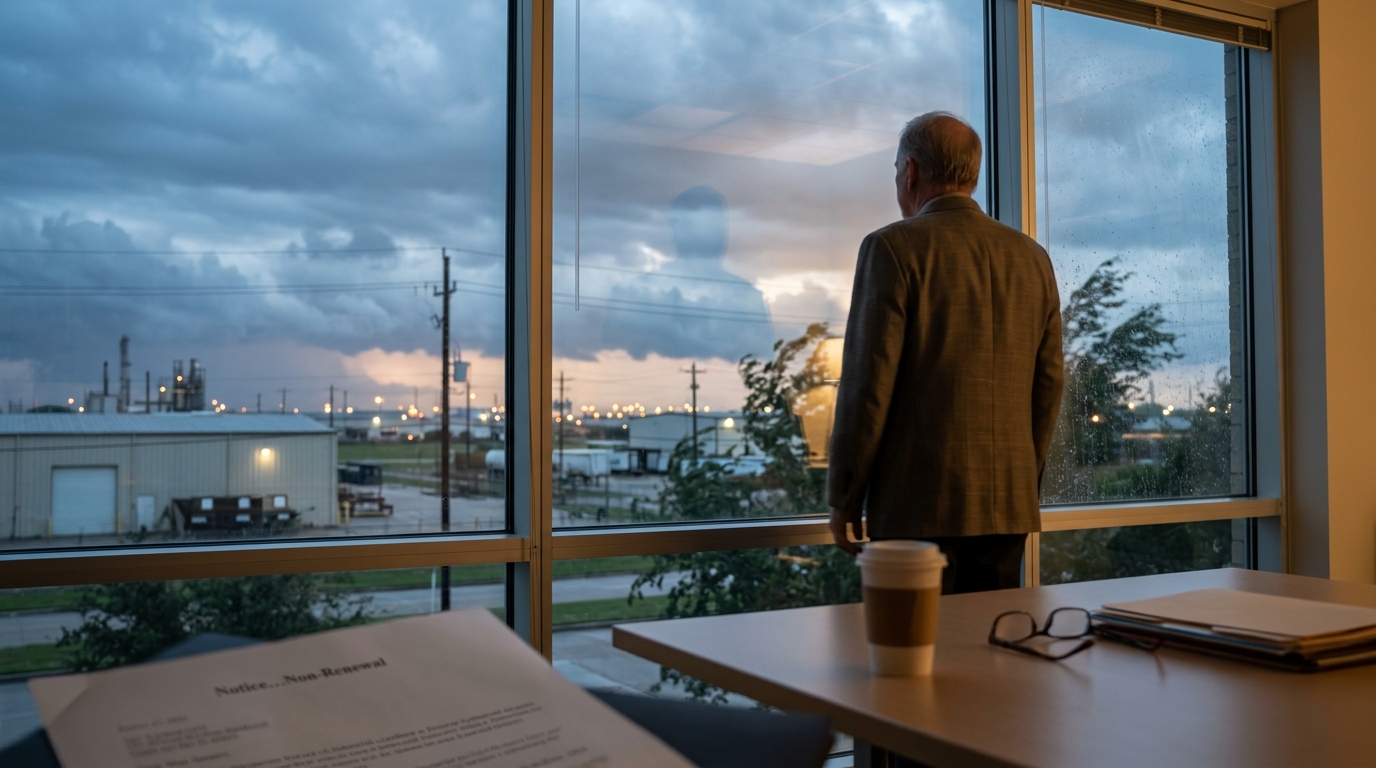
Business owners facing a cancellation notice often panic, but securing replacement windstorm coverage remains entirely possible. According to the National Association of Insurance Commissioners, approximately 34 percent of coastal commercial policies face non-renewal during peak hurricane seasons. This statistic highlights a predictable market cycle rather than an absolute coverage blackout. Property managers must immediately pivot to specialized markets that understand regional risk modeling. Hurricane tracking data confirms that coastal exposure requires specialized underwriting frameworks. You can restore operational continuity by following a structured acquisition process.
Understand Non-Renewal Impact
A non-renewal notice signals that your current carrier has decided to exit your risk profile. This decision usually stems from aggregate exposure limits or updated catastrophe modeling. Federal emergency guidelines emphasize that coastal properties face elevated baseline risks. You must recognize that this is a standard market adjustment. Your building remains insurable through alternative channels. Market exit does not equal uninsurable status. You simply need to align with carriers that maintain dedicated windstorm capacity. Contact our team to review your specific exposure parameters.
Identify Specialized Markets
Standard commercial carriers often withdraw from high-risk zones. Specialized markets remain actively underwriting these exact properties. These carriers utilize proprietary engineering data to price risk accurately. Global risk engineering reports indicate that specialized underwriters maintain deeper capital reserves. You should target agencies that specialize in complex property lines. Our agency maintains direct access to these niche capacity pools. Business insurance solutions are structured to match your operational timeline. We evaluate your building envelope, roof age, and proximity to waterways. This targeted approach ensures you receive competitive placement. Schedule a free consultation to begin the placement process.
Prepare Risk Assessment
Specialized underwriters require precise documentation before binding coverage. You must gather your current policy declarations, loss history, and building specifications. Consumer protection standards require transparent disclosure of all material facts. Insurers will request roof certification documents and wind mitigation records. You should also provide recent engineering surveys or structural audits. Complete documentation accelerates binding timelines. Missing roof age data often triggers premium surcharges. Our underwriters know exactly which documents satisfy these specific carriers. We streamline the submission process to prevent administrative delays. Visit our contact page to submit your documentation package.
Navigate Policy Structures
Alternative windstorm policies often utilize different structural frameworks. You will encounter specific deductible models and coverage triggers. Storm surge classifications dictate how coverage attaches to your structure. You must understand the difference between named storm deductibles and percentage-based triggers. Some policies exclude water intrusion entirely. Others provide comprehensive building envelope protection. Policy structure dictates your actual financial exposure. You need a detailed breakdown of exclusions before signing. Our team translates complex policy language into actionable business metrics. We ensure your operational continuity remains protected. Review our windstorm insurance resources for structural guidance.
Compare Coverage Options
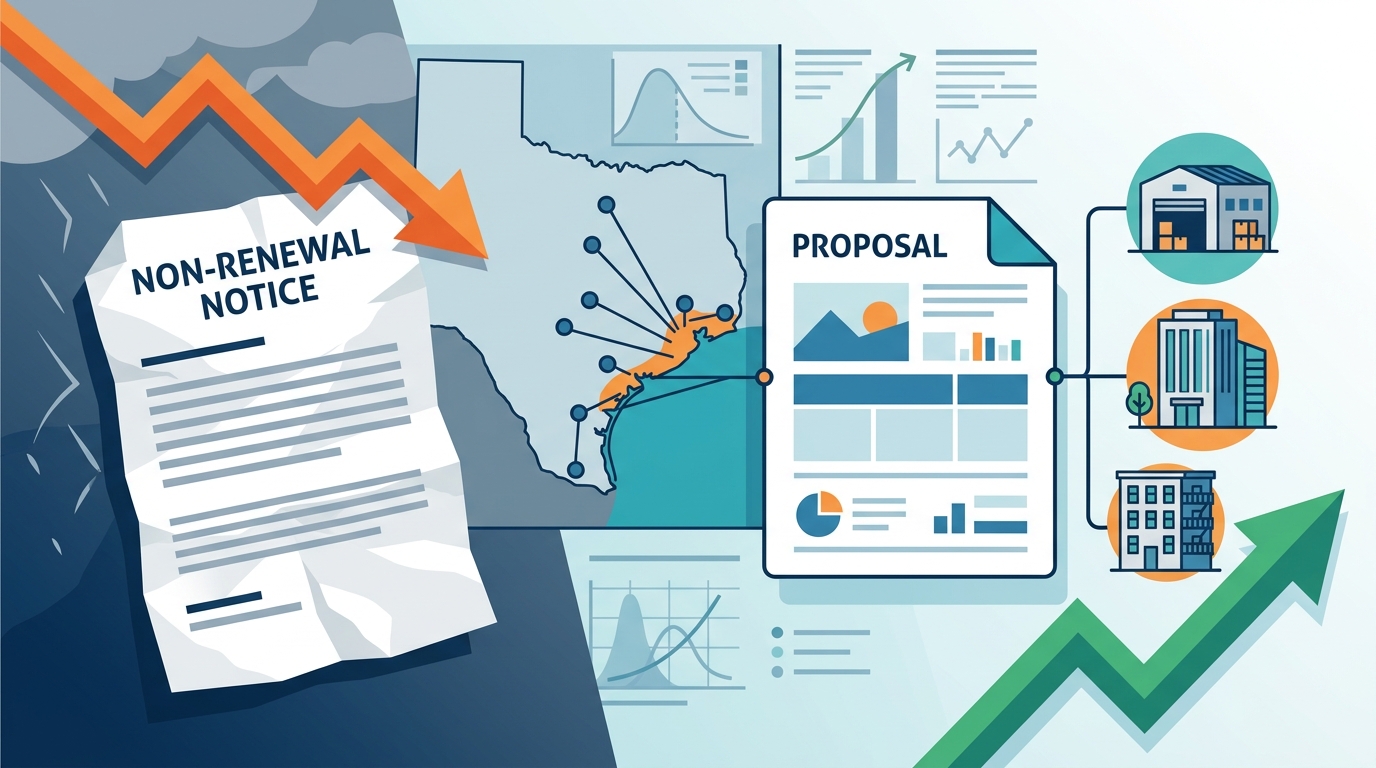
Commercial property managers must evaluate multiple binding options. The following matrix outlines the primary structural differences. Federal risk mapping provides baseline exposure thresholds for coastal zones. You should compare deductible structures, coverage limits, and business interruption triggers. Specialized markets often offer higher limits but require stricter engineering standards. Standard carriers may provide broader forms but charge premium surcharges. Comparative analysis prevents coverage gaps. You must align your policy structure with your actual revenue exposure. Our advisors model each option against your specific financial thresholds. We recommend maintaining continuous coverage to avoid reinstatement penalties. Explore our about page to learn about our placement methodology.
| Policy Type | Deductible Structure | Primary Coverage Focus | Best Use Case |
|---|---|---|---|
| Named Storm Deductible | Percentage-based (1% to 5%) | Wind-driven structural damage | High-rise commercial buildings |
| Flat Dollar Deductible | Fixed amount ($10,000 to $50,000) | General property replacement | Low-rise retail facilities |
| Wind-Only Policy | Variable triggers | Wind damage only | Properties with existing flood coverage |
| Comprehensive Form | Combined triggers | Wind, water, and debris | Complex industrial campuses |
Key Takeaways
- Non-renewal notices represent standard market adjustments rather than permanent coverage denials.
- Specialized carriers maintain dedicated capital reserves for high-risk coastal zones.
- Complete roof certification and engineering surveys accelerate binding timelines significantly.
- Percentage-based deductibles align directly with building replacement costs.
- Business interruption triggers require precise revenue documentation for accurate pricing.
- Continuous coverage prevents reinstatement penalties and premium surcharges.
- Professional placement ensures compliance with regional engineering standards.
Frequently Asked Questions
How long does the replacement process take?
Replacement placement typically requires 14 to 21 business days. Underwriters must review engineering reports and loss history. Regulatory compliance timelines dictate standard processing windows. You should initiate the process immediately upon receiving your notice. Delayed submissions often trigger premium increases. Our team expedites documentation review to meet your renewal deadline.
Will my premiums increase significantly?
Premium adjustments depend on your building specifications and location. Market pricing models reflect current catastrophe exposure. You may experience moderate increases if your roof exceeds 10 years. Updated engineering standards often justify higher base rates. We negotiate aggressively to minimize your financial impact. Our placement strategy focuses on long-term value retention.
Does replacement coverage include business interruption?
Business interruption coverage remains available through specialized forms. Storm impact projections require precise revenue modeling. You must provide 24 months of financial statements. Underwriters calculate your average monthly net profit. This data determines your actual coverage limit. We structure policies to match your exact cash flow requirements.
Can I retain my current flood policy?
Flood coverage operates through separate regulatory frameworks. National flood program rules maintain independent pricing structures. You can typically retain your existing flood policy. Windstorm and flood coverage address distinct physical risks. Our team coordinates both policies to prevent overlap gaps. We ensure your complete property exposure remains protected.
What documentation do underwriters require?
Underwriters require precise building specifications and loss history. Industry disclosure standards mandate complete transparency. You must provide roof age, construction type, and occupancy details. Recent engineering surveys or wind mitigation certificates are essential. Missing documentation often triggers premium surcharges. Our advisors compile complete submission packages. We eliminate administrative friction during the binding process.
How do percentage deductibles work?
Percentage deductibles calculate your out-of-pocket exposure. Actuarial risk models tie deductibles to replacement costs. A 2 percent deductible on a $2 million building equals $40,000. You pay this amount before coverage attaches. Higher limits often reduce your effective deductible percentage. We structure policies to align with your cash reserves. This approach prevents unexpected financial strain during claims.
Is professional placement worth the cost?
Professional placement prevents costly coverage gaps and exclusions. Coastal exposure data requires specialized underwriting expertise. DIY submissions often trigger automatic declines or restrictive exclusions. Licensed advisors negotiate directly with capacity providers. You gain access to markets that do not accept public applications. Our placement fees are offset by premium savings. We ensure your policy matches your actual operational requirements.
Secure Commercial Protection
Receiving a non-renewal notice requires immediate strategic action. You must pivot to specialized markets that maintain dedicated capacity. Our agency specializes in complex property placement across high-risk zones. We understand the exact documentation requirements and engineering standards. Business insurance solutions are tailored to your specific operational timeline. You can restore continuous coverage without operational disruption. Schedule your free consultation today. Our team will model your exposure and secure binding coverage. Protect your commercial assets with professional placement. Visit our contact page to begin your placement journey.