

Commercial property owners in the Texas Gulf Coast face an increasingly volatile insurance landscape. When a traditional carrier issues a notice of non-renewal, the immediate concern is not just the loss of coverage, but the potential gap in protection for wind and hail damage. Windstorm insurance is a specialized policy component that covers damage to buildings and property caused by high winds and hail, which is often excluded from standard commercial property policies. Understanding how to secure this coverage when the market turns is critical for business continuity and asset protection.
Understanding the Non-Renewal Notice
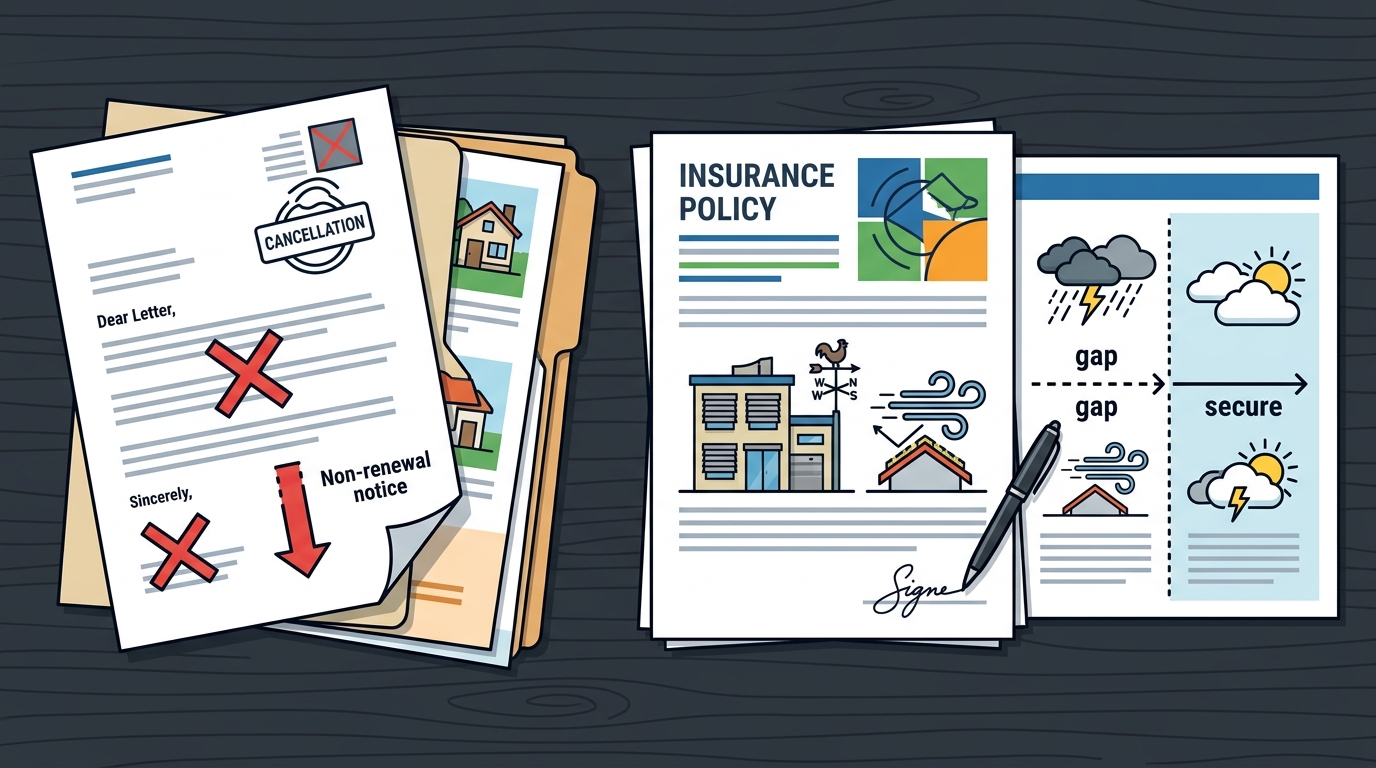
A notice of non-renewal is a formal communication from your insurance carrier indicating that they will not renew your policy upon its expiration date. This is not a cancellation, which happens mid-term, but a strategic decision by the insurer to exit the risk profile entirely. For commercial property owners, this often stems from a high concentration of claims in the area, changes in the carrier's underwriting guidelines, or increased exposure to natural disasters.
When a carrier decides to pull out of the windstorm market, they are essentially declaring that the risk is no longer profitable or manageable for them. This leaves business owners in a precarious position. Windstorm insurance is not always a standalone policy but can be an endorsement or a separate policy depending on the state regulations. In Texas, it is often a distinct requirement for properties in coastal counties.
The first step is to review the notice carefully. It will specify the effective date of non-renewal, giving you a window of time to secure new coverage. This window is critical. You cannot wait until the last minute because new carriers may require inspections, engineering reports, or underwriting reviews that take time to process.
Texas Gulf Coast Market Dynamics
The Texas Gulf Coast is one of the most active regions for wind and hail events in the United States. This geographic reality has led to a consolidation of insurance carriers willing to write windstorm coverage. Major national carriers have increasingly exited the market, leaving a smaller pool of specialized insurers to handle these risks. This consolidation drives up premiums and tightens underwriting standards.
According to industry data, the frequency and severity of wind events in Texas have increased significantly over the past decade. This trend has forced carriers to reassess their risk models. Brad Spurgeon Insurance Agency Inc. has observed that many traditional carriers are now refusing to renew policies for commercial properties that do not meet strict wind mitigation criteria. These criteria may include roof age, construction materials, and impact-resistant windows.
For business owners, this means that the "one-size-fits-all" approach to insurance no longer works. You need a partner who understands the nuances of the local market and can navigate the complex landscape of available carriers. Our agency specializes in helping commercial clients find coverage when others cannot.
Alternative Coverage Options
When traditional carriers withdraw, several alternative options remain for securing windstorm coverage. Understanding these options is key to maintaining uninterrupted protection for your commercial property.
1. Texas Windpool (TWIA)
The Texas Windstorm Insurance Association (TWIA) is the state's insurer of last resort. It provides windstorm and hail coverage for properties located in coastal counties. While TWIA is a vital safety net, it has its own set of requirements and limitations. For example, TWIA typically requires that the property be built to current wind codes and may not cover older structures that do not meet these standards. Additionally, TWIA coverage is often limited to the dwelling and structure, with less comprehensive coverage for business personal property compared to private carriers.
2. Surplus Lines Carriers
Surplus lines carriers are non-admitted insurers that can write policies for risks that admitted carriers are unwilling to accept. These carriers offer more flexibility in underwriting and can often provide coverage for properties that have been non-renewed by standard carriers. However, surplus lines policies may come with higher premiums and different terms. It is essential to work with a licensed broker who can access these markets and negotiate the best possible terms.
3. Specialized Windstorm Policies
Some specialized insurers focus exclusively on wind and hail coverage. These carriers may offer more competitive rates than surplus lines carriers and provide more comprehensive coverage options. They often have underwriters who specialize in commercial properties and understand the specific risks associated with wind and hail damage. Our team works with a network of these specialized carriers to find the best fit for each client.
Comparing Windstorm Solutions
Choosing the right windstorm coverage option depends on your property's specific characteristics, your budget, and your risk tolerance. The following table compares the key features of the primary options available to commercial property owners in Texas.
| Option | Coverage Scope | Eligibility | Premium Level | Best For |
|---|---|---|---|---|
| TWIA | Structure only, limited personal property | Coastal counties, code-compliant buildings | Low to Moderate | Properties meeting strict wind codes |
| Surplus Lines | Comprehensive, customizable | Non-standard risks, older buildings | High | Properties rejected by standard carriers |
| Specialized Carriers | Comprehensive, business-focused | Varies by carrier | Moderate to High | Businesses seeking balanced coverage and price |
Key Takeaways
- A non-renewal notice is a signal to act quickly, not a final verdict on your insurability.
- TWIA is a critical resource for coastal properties but has strict eligibility requirements.
- Surplus lines carriers offer flexibility for non-standard risks but at a higher cost.
- Specialized windstorm carriers can provide comprehensive coverage tailored to commercial needs.
- Working with a local expert who understands the Texas Gulf Coast market is essential.
- Wind mitigation improvements can help qualify for better rates and coverage options.
- Regular policy reviews ensure your coverage keeps pace with your business's evolving risks.
Frequently Asked Questions
How long do I have to find new coverage after a non-renewal?
You typically have 30 to 60 days before your current policy expires. It is crucial to start the process immediately to avoid any gaps in coverage.
Can I get windstorm coverage for an older building?
Yes, but options may be more limited. Surplus lines carriers and specialized insurers are often more willing to cover older buildings, though they may require additional inspections or engineering reports.
What is the difference between TWIA and private windstorm insurance?
TWIA is a state-backed insurer of last resort with specific eligibility requirements, while private windstorm insurance offers more flexibility and comprehensive coverage but may come at a higher cost.
Do I need separate flood insurance if I have windstorm coverage?
Yes, windstorm coverage does not include flood damage. Flood insurance is a separate policy that covers damage caused by flooding, which is not included in standard windstorm policies.
How can I lower my windstorm premium?
Implementing wind mitigation improvements, such as reinforcing your roof and installing impact-resistant windows, can help lower your premium. Working with an experienced broker can also help you find the most competitive rates.
What if my property is in a high-risk flood zone?
If your property is in a high-risk flood zone, you will likely need flood insurance regardless of your windstorm coverage. Our agency can help you secure both types of coverage to ensure comprehensive protection.
Can I switch carriers mid-term?
Generally, no. Insurance policies are typically written for a one-year term. However, if you are facing non-renewal, you can secure a new policy to start at the end of your current term.
Secure Your Coverage
Do not let a non-renewal notice leave your business exposed. The Texas Gulf Coast market is complex, but you do not have to navigate it alone. Brad Spurgeon Insurance Agency Inc. has been serving the Texas Gulf Coast since 1986, providing expert guidance on windstorm and flood insurance. We specialize in helping commercial property owners find reliable coverage when traditional carriers withdraw.
Contact us today for a free consultation. We will assess your property's specific risks and work with our network of specialized carriers to secure the best possible coverage for your business. Visit our quote page to get started or call us at (409) 945-4746.