
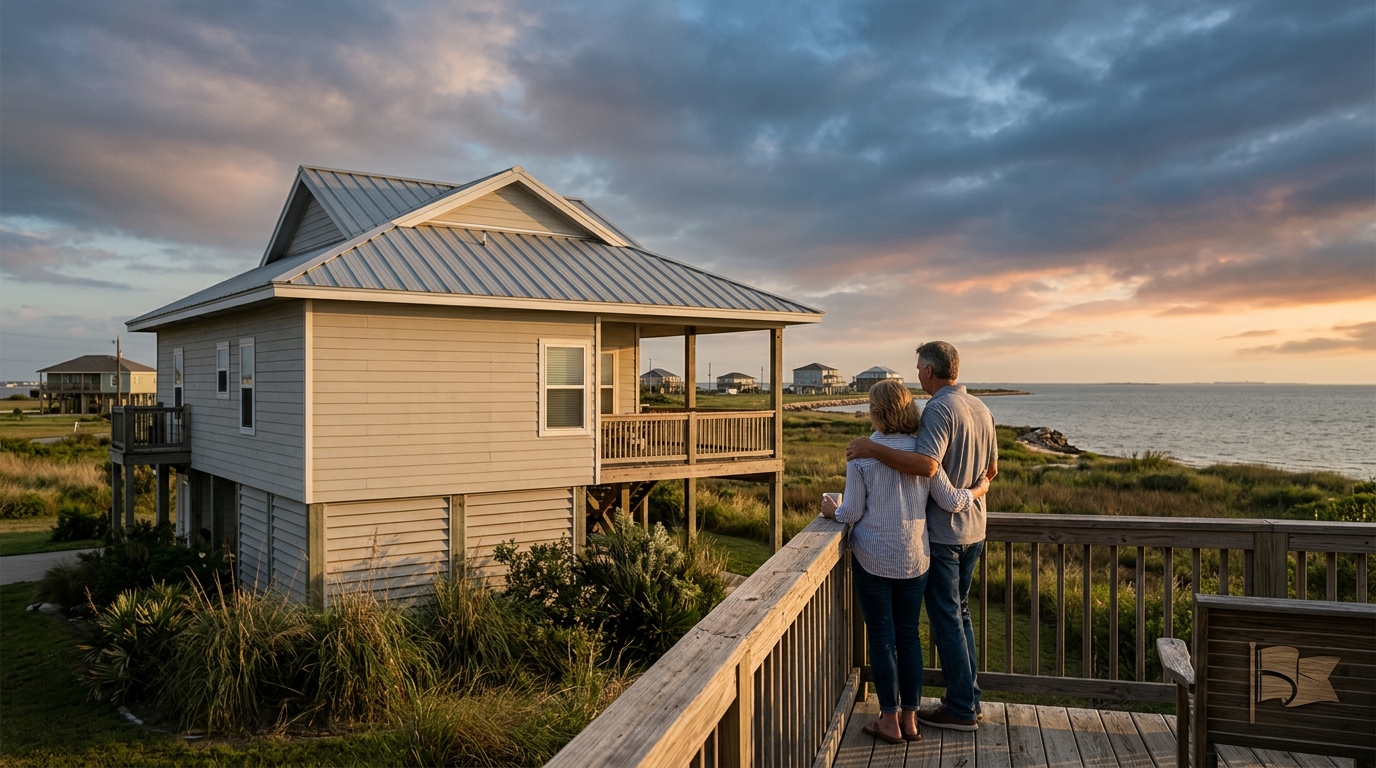
Windstorm insurance rejection is a common hurdle for homeowners in coastal regions, particularly in Texas where weather volatility is extreme. According to the Insurance Information Institute, natural disasters caused by severe weather events resulted in over $90 billion in insured losses in 2023 alone. This surge in claims has led many carriers to tighten underwriting guidelines, making it difficult for homeowners with older roofs or previous claims to secure coverage. However, a rejection is not a permanent ban. By understanding the specific reasons for denial and taking proactive mitigation steps, you can rebuild your insurability and secure the necessary protection for your property.
Understand Why You Were Rejected
Before you can fix the problem, you must identify the root cause. Insurance carriers do not reject applications randomly. They rely on data models that assess risk based on property age, location, and claims history. The most common reasons for windstorm insurance rejection include an aging roof, lack of wind mitigation features, or a history of frequent water damage claims.
If your roof is older than 10 to 15 years, many standard carriers will automatically decline coverage because the likelihood of wind uplift causing structural failure is too high. Similarly, if you have filed multiple claims in the past five years, you may be flagged as a high-risk client. Understanding this baseline allows you to target your efforts effectively. You can start by reviewing your windstorm insurance options to see which carriers might still be open to your profile.
Mitigate Roof and Structural Risks
The single most effective way to overcome a windstorm insurance rejection is to upgrade your home's resilience. Carriers are more willing to insure properties that have demonstrated a commitment to risk reduction. This often begins with the roof. If your current roof is nearing the end of its lifespan, replacing it with a Class 4 impact-resistant shingle or a metal roof can significantly improve your chances of approval.
Wind mitigation features are also critical. Installing hurricane straps, reinforced garage doors, and secondary water barriers can lower the risk of catastrophic damage. These upgrades signal to underwriters that your home is less likely to suffer total loss during a storm. Many carriers offer premium discounts for these features, which can help offset the cost of the upgrades. For more details on these protective measures, you can explore our flood insurance resources, as wind and water damage often go hand in hand.
Document Your Mitigation Efforts
Once you have made improvements to your property, you must formally document them. Insurance underwriters do not guess; they require proof. Keep all receipts, contractor invoices, and photos of the upgrades. If you have a wind mitigation inspection, ensure you have a copy of that report as well.
This documentation serves as evidence of your proactive approach to risk management. When you reapply for insurance, submit these documents alongside your application. This transparency can change the narrative from "high risk" to "managed risk." It also helps in negotiating better terms with carriers who might have previously overlooked your application. You can also check our home insurance guide for tips on maintaining your policy documentation.
Seek Specialized Windstorm Carriers
Not all insurance companies operate under the same guidelines. While major national carriers may have strict rules that lead to rejection, specialized regional carriers often have more flexible underwriting criteria. These companies are accustomed to the unique challenges of coastal living and may be willing to take on higher-risk profiles if the premiums reflect the risk.
It is essential to research carriers that specialize in high-risk coastal markets. They often have a deeper understanding of local building codes and weather patterns. By targeting these specialized providers, you increase your likelihood of finding a policy that fits your needs. Visit our insurance carriers page to see which companies we partner with for windstorm coverage.

Explore State-Run Insurance Facilities
If private carriers continue to reject your application, the next step is to look at state-run insurance facilities. In Texas, the Texas Windstorm Insurance Association (TWIA) serves as the insurer of last resort for coastal homeowners. TWIA provides windstorm and hail coverage for homes in designated counties where private carriers may be unwilling to write policies.
While TWIA policies can be more expensive and have higher deductibles, they provide essential coverage that might otherwise be unavailable. It is important to note that TWIA coverage does not include flood insurance, so you must secure a separate flood policy. You can learn more about flood insurance requirements and how to navigate the TWIA application process through our resources.
Bundle Policies for Better Rates
Insurance companies often look at the overall risk profile of a client. If you have multiple policies with the same carrier, such as auto and home insurance, you may be viewed as a more loyal and stable customer. This relationship can sometimes influence underwriting decisions, especially if you are on the borderline of approval.
Bundling your policies can also lead to significant discounts, making the overall cost of insurance more manageable. When you approach a carrier, ask about their bundling incentives. This strategy can make a high-risk profile more palatable to an underwriter who sees the value in retaining your entire business. Check out our auto insurance services to see how you can consolidate your coverage.
Work with a Specialized Broker
Navigating the complex landscape of windstorm insurance can be overwhelming, especially after facing multiple rejections. Working with a specialized insurance broker can make all the difference. Brokers have access to a wider network of carriers and understand the nuances of underwriting guidelines.
A knowledgeable broker can advocate on your behalf, presenting your mitigation efforts in the best light and identifying carriers that are currently more open to new business. They can also help you avoid common pitfalls that lead to rejection. For personalized assistance, you can contact us for a free consultation. Our team at Private Windstorm is dedicated to helping homeowners secure the coverage they need.
Key Takeaways
- Identify the Root Cause: Understand if your rejection was due to roof age, claims history, or location.
- Upgrade Your Roof: Installing a Class 4 impact-resistant roof is the most effective way to improve insurability.
- Document Everything: Keep detailed records of all mitigation efforts and inspections.
- Target Specialized Carriers: Look for carriers that specialize in high-risk coastal markets.
- Consider TWIA: The Texas Windstorm Insurance Association is a vital option for coastal homeowners.
- Bundle Policies: Consolidating insurance can improve your standing with underwriters.
- Use a Broker: A specialized broker can navigate complex underwriting landscapes for you.
Frequently Asked Questions
Can I get windstorm insurance if my roof is old?
It is difficult but not impossible. Some specialized carriers may offer coverage with higher deductibles or require a roof inspection. Upgrading to a newer, impact-resistant roof is the best long-term solution.
What is the Texas Windstorm Insurance Association (TWIA)?
TWIA is a state-run insurance facility that provides windstorm and hail coverage for coastal homeowners who cannot find coverage in the private market. It acts as an insurer of last resort.
Does windstorm insurance cover flood damage?
No, windstorm insurance typically does not cover flood damage. You must purchase a separate flood insurance policy to protect against water damage from rising waters.
How long does it take to get a windstorm policy after rejection?
The timeline varies. If you need to make upgrades, it could take weeks or months. If you are applying through a state facility like TWIA, the process can take several weeks to process and issue the policy.
Will my insurance rates go up after a windstorm claim?
Yes, filing a windstorm claim can lead to increased premiums or non-renewal. It is important to weigh the cost of repairs against the potential impact on your insurance rates.
What is a wind mitigation inspection?
A wind mitigation inspection is a report that details the wind-resistant features of your home, such as roof shape, attachment, and opening protection. This report can help you qualify for lower premiums.
Can I switch insurance companies if I am rejected?
Yes, you can switch companies. However, if you are rejected by multiple carriers, you may need to seek specialized providers or state-run options. A broker can help you find the right fit.
Secure Your Home Today
Rejection from multiple insurance providers is a challenging situation, but it is not insurmountable. By taking proactive steps to mitigate risk, documenting your efforts, and working with specialized partners, you can secure the windstorm coverage you need. Do not wait for the next storm to act. Contact our team at Private Windstorm today to discuss your options and get a quote.