
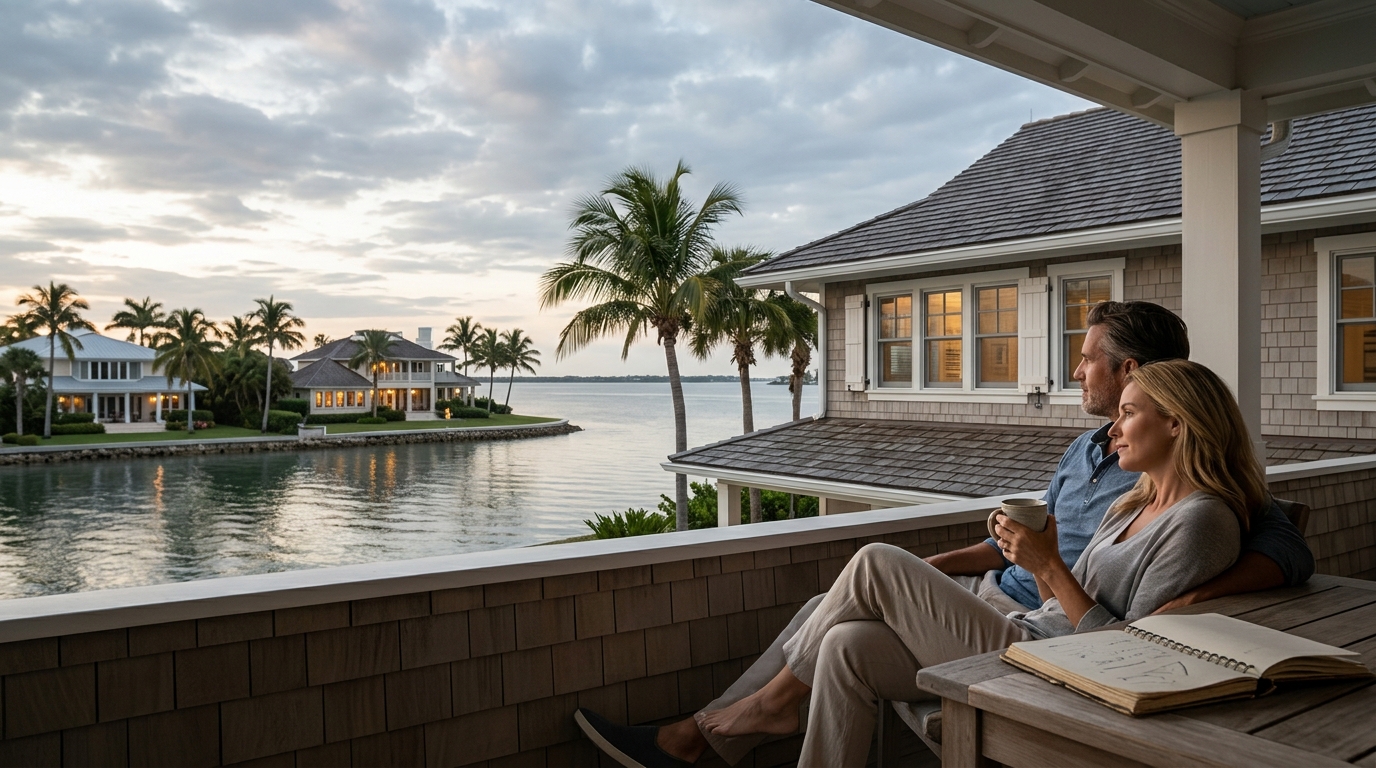
Homeowners in high-risk coastal zones face a critical decision when securing their properties against hurricane damage. The choice often lies between government-backed safety nets and private market policies. According to recent industry data, over 20 million homes in the United States are located in areas with significant windstorm risk, making this distinction vital for financial security. Understanding the structural and financial differences between these two models can save policyholders thousands of dollars and prevent coverage gaps during catastrophic events.
What Is State-Run Windstorm Insurance?
State-run insurance pools, often referred to as "insurers of last resort," are created by state legislatures to provide coverage in markets where private insurers have withdrawn due to high risk. Windstorm insurance is a specialized policy that covers damage to your home caused by high winds, hail, and debris, typically excluding flood damage. These pools operate as non-profit entities, meaning they do not distribute profits to shareholders but instead focus on maintaining solvency to pay future claims.
The primary driver for the existence of these pools is market failure. When private insurers deem a region too risky, they may raise premiums to unaffordable levels or stop writing new policies entirely. In Texas, for example, the Texas Windstorm Insurance Association (TWIA) was established to fill this gap. These organizations provide a baseline of coverage, ensuring that homeowners in coastal counties have access to protection regardless of their personal risk profile.
However, state-run pools often come with strict regulatory constraints. They may have limited ability to adjust premiums quickly in response to inflation or increased construction costs. This can lead to underpricing in the short term but severe financial instability in the long term. Policyholders must also navigate complex bureaucratic processes that can slow down policy issuance and renewal.
Private Market Windstorm Coverage
Private market windstorm coverage is offered by commercial insurance companies that operate for profit. These insurers use sophisticated actuarial models to assess risk and price policies accordingly. Private windstorm policies often include additional endorsements that state pools may not offer, such as extended replacement cost coverage. This means that if the cost to rebuild your home exceeds your policy limit due to sudden spikes in labor or material costs, the private insurer may cover the difference.
One of the most significant advantages of private coverage is the breadth of services available. Private insurers often bundle windstorm coverage with other products, such as homeowners, auto, and umbrella insurance. This bundling can simplify management and potentially lower overall costs through multi-policy discounts. Furthermore, private companies invest heavily in technology, offering robust online portals for policy management, digital claims filing, and instant proof of insurance.
Private insurers also tend to have more flexible underwriting guidelines. While they still require rigorous inspections, they may offer incentives for mitigation efforts, such as installing hurricane shutters or reinforcing roof ties. These discounts are not always available through state-run pools, which often apply standardized rates to all policyholders in a designated zone.
Cost and Premium Analysis
Premium costs are the most immediate differentiator between state-run pools and private insurers. Historically, state-run pools have offered lower premiums to remain competitive and accessible. However, this advantage is shrinking. As climate change increases the frequency and severity of storms, state pools are forced to raise rates significantly to maintain their financial reserves.
Private insurers, on the other hand, may charge higher base premiums for high-risk properties. Yet, when you factor in the value of additional coverage, customer service, and financial stability, the total cost of ownership may be lower. Private companies also offer more granular pricing, allowing homeowners to adjust deductibles and coverage limits to fit their specific budget.
It is crucial to compare quotes from both sources. A state-run policy might appear cheaper on paper but could leave you with significant out-of-pocket expenses during a claim. Conversely, a private policy might have a higher premium but include lower deductibles and broader coverage terms. At Brad Spurgeon Insurance Agency, we help clients analyze these nuances to find the most cost-effective solution for their specific needs.
Coverage Limits and Deductibles
Coverage limits define the maximum amount an insurer will pay for a claim. State-run pools often have statutory caps on coverage amounts. For instance, TWIA has specific limits for dwelling coverage and personal property. If your home's value exceeds these caps, you must purchase additional excess insurance from the private market, adding complexity and cost to your protection strategy.
Private insurers generally offer higher coverage limits, often up to the full replacement cost of the home. This is particularly important in areas with rising construction costs. Additionally, private policies often allow for customizable deductibles. You can choose a higher deductible to lower your premium or a lower deductible to reduce your financial exposure during a storm.
Another key difference is the definition of the windstorm peril. Some state pools may exclude certain types of wind damage, such as damage caused by tornadoes or hail, requiring separate policies. Private insurers often include these perils in a single windstorm policy, providing more comprehensive protection. For detailed guidance on policy structures, visit our Windstorm Insurance resource page.

Claims Processing and Speed
The speed and efficiency of claims processing can make or break a homeowner's recovery after a storm. State-run pools, being government entities, often face bureaucratic hurdles that can delay claim payments. During major hurricane events, these pools may become overwhelmed, leading to long wait times for adjusters and payments.
Private insurers typically have more resources dedicated to claims management. They often employ local adjusters who can respond quickly to storm damage. Many private companies also offer advance payments to help policyholders cover immediate living expenses or start repairs. This responsiveness is critical in the days following a hurricane when temporary housing and emergency repairs are urgent needs.
Transparency in the claims process is another area where private insurers often excel. Online tracking systems allow policyholders to monitor the status of their claims in real time. This level of visibility reduces anxiety and helps homeowners plan their recovery more effectively. If you need assistance with filing a claim, our team at Brad Spurgeon Insurance Agency can guide you through the process.
Comparison Summary
| Feature | State-Run Pool | Private Market Insurer |
|---|---|---|
| Primary Goal | Provide baseline coverage as insurer of last resort | Profit generation through risk assessment |
| Premium Cost | Often lower initially, but rising rapidly | Variable, often higher for high-risk zones |
| Coverage Limits | Statutory caps may apply | Flexible, often up to full replacement cost |
| Claims Speed | Can be slower due to bureaucracy | Generally faster with local adjusters |
| Additional Services | Limited, basic policy management | Bundling, discounts, online portals |
Key Takeaways
- State-run pools act as insurers of last resort when private markets withdraw.
- Private insurers offer higher coverage limits and more flexible deductibles.
- Claims processing is generally faster and more transparent with private companies.
- Bundling windstorm coverage with other policies can reduce overall costs.
- State pool premiums are rising due to increased climate risk and inflation.
- Private policies often include additional endorsements like extended replacement cost.
- Expert guidance is essential to navigate the complex insurance landscape.
Frequently Asked Questions
Is state-run windstorm insurance cheaper than private insurance?
Historically, state-run pools have offered lower premiums. However, this gap is narrowing as state pools raise rates to cover increasing losses. Private insurers may charge more for high-risk properties but often provide better value through broader coverage and fewer exclusions.
What happens if a state-run pool becomes insolvent?
If a state-run pool becomes insolvent, the state government typically steps in to ensure claims are paid. However, this process can be slow and uncertain. Private insurers are regulated by state insurance departments and are required to maintain specific financial reserves to prevent insolvency.
Can I bundle windstorm insurance with homeowners insurance?
Yes, many private insurers offer bundled policies that combine homeowners and windstorm coverage. This can simplify management and often results in discounts. State-run pools typically do not offer bundling options, requiring separate policies for different types of coverage.
How do deductibles work for windstorm damage?
Windstorm deductibles are often a percentage of the home's insured value, such as 2% or 5%, rather than a flat dollar amount. This means that for a $300,000 home, a 2% deductible would be $6,000. Private insurers often allow you to choose your deductible percentage, while state pools may have fixed requirements.
What is the Texas Windstorm Insurance Association (TWIA)?
TWIA is the state-run pool in Texas that provides windstorm and hail insurance to homeowners in coastal counties. It was created to ensure that residents have access to coverage in areas where private insurers may not want to write policies.
Do I need separate flood insurance for windstorm damage?
Yes, windstorm insurance does not cover flood damage. You need a separate flood insurance policy, often through the National Flood Insurance Program (NFIP) or a private flood insurer, to protect against water damage from rising waters.
How can I get a quote for private windstorm coverage?
You can get a quote by contacting a local insurance agency or using online comparison tools. At Brad Spurgeon Insurance Agency, we provide personalized quotes to help you find the best coverage for your home.
Get Your Custom Quote
Navigating the differences between state-run pools and private market coverage requires expert insight. At Brad Spurgeon Insurance Agency, we specialize in helping Texas Gulf Coast homeowners secure the best windstorm protection. Our team provides free consultations to analyze your specific needs and find the most cost-effective solution. Contact us today at (409) 945-4746 or visit our Free Consultation page to start protecting your home.