
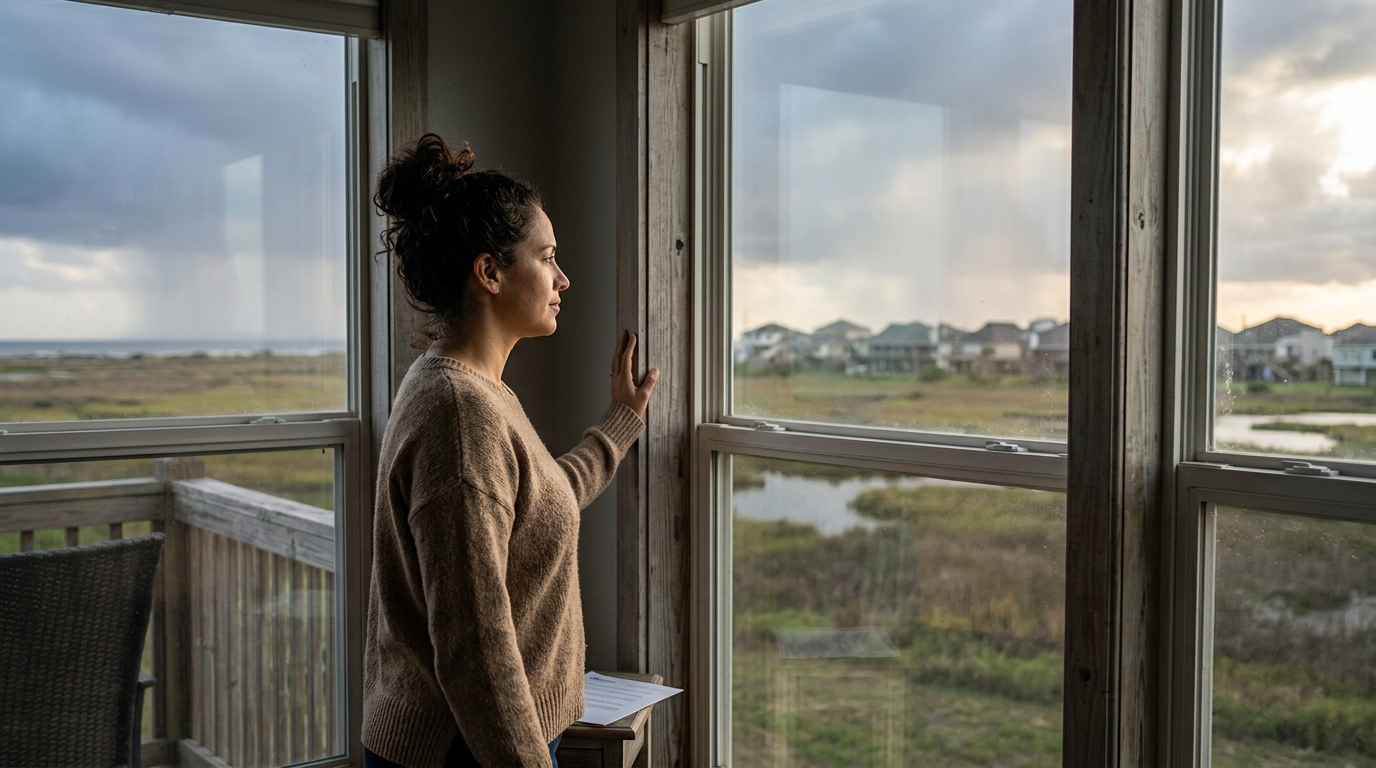
Securing coverage in high-risk coastal zones is increasingly difficult as carriers tighten underwriting standards. Recent climate data shows that hurricane intensity has increased significantly over the last two decades, forcing insurers to become more selective. If you have been rejected by multiple providers, do not panic. There are strategic steps you can take to improve your eligibility and find a carrier willing to write your policy.
Understand Why You Were Rejected
The first step in recovering from a rejection is understanding the specific reason behind it. Insurance companies do not reject applications randomly. They rely on risk assessment models that evaluate the physical characteristics of your home and its location.
Common reasons for rejection include an aging roof, lack of wind-resistant features, or proximity to the water. According to FEMA flood map data, homes in certain zones face exponentially higher risks, which may lead to standard carriers declining coverage entirely. You must obtain the specific denial reason from each carrier. Was it the roof age? The distance to the coast? Or perhaps a history of previous claims?
Once you have this information, you can address the root cause. If the roof is the issue, a replacement or reinforcement might be necessary. If the location is the primary factor, you may need to look for carriers that specialize in high-risk coastal properties.
Mitigate Structural Risks
Insurance carriers are more likely to approve policies for homes that demonstrate resilience against wind and water damage. FEMA research indicates that homes with fortified features suffer significantly less damage during severe weather events. By proactively upgrading your home, you signal to insurers that you are a lower-risk client.
Roof Reinforcement
The roof is the most critical component of your home during a windstorm. If your roof is older than ten years, many carriers will automatically decline coverage or require a roof certification. Upgrading to a Class 4 impact-resistant roof can make a substantial difference in your eligibility. Ensure that your roof is properly attached to the frame using hurricane clips or straps.
Window and Door Protection
Openings are the weakest points in a home during high winds. Installing impact-resistant windows or storm shutters can prevent wind from entering your home, which reduces the risk of structural failure. FEMA mitigation guidelines suggest that these upgrades can lower premiums and improve insurability.

Foundation and Elevation
If your home is in a flood zone, ensuring it is properly elevated is crucial. FEMA flood map data shows that homes elevated above the Base Flood Elevation (BFE) are far less likely to suffer catastrophic damage. If your home is not elevated, consult with a structural engineer to see if elevation is feasible.
Gather Proof of Compliance
After making improvements, you must document them thoroughly. Insurance carriers require proof that your home meets their underwriting guidelines. Without proper documentation, even significant upgrades may not help your application.
Collect all receipts, contractor invoices, and warranties for any work done on your home. If you have installed hurricane shutters or impact-resistant windows, ensure you have the manufacturer's specifications that detail the wind resistance ratings. For roof replacements, request a detailed certification from the roofing contractor that includes the age, material, and installation method.
Additionally, consider obtaining a wind mitigation inspection. This is a specialized inspection that evaluates your home's resistance to wind damage. The National Association of Insurance Commissioners notes that these inspections can provide valuable data that insurers use to assess risk. A positive wind mitigation report can often override previous rejections by providing concrete evidence of your home's resilience.
Work with Specialized Carriers
If standard carriers continue to reject your application, you may need to turn to specialized insurance carriers. These companies focus exclusively on high-risk properties and have underwriting guidelines tailored to coastal homes.
At Brad Spurgeon Insurance Agency, we specialize in helping homeowners in Texas City and the Gulf Coast navigate these complex challenges. Our agency has established relationships with carriers that are willing to write policies for homes that other insurers may decline. We understand the unique risks of the region and can help you find a policy that fits your needs.
Working with a local agency that has deep roots in the community can be invaluable. Our agency has served the Texas Gulf Coast since 1986, providing personalized service and expert guidance. We can help you understand the nuances of windstorm insurance and identify the best options for your specific situation.
Consider Windstorm Included Policies
In some cases, purchasing a separate windstorm policy may be difficult or prohibitively expensive. An alternative is to look for a "Windstorm Included" home policy. This type of policy bundles windstorm coverage with your standard homeowners insurance, simplifying the process and potentially reducing costs.
These policies are designed specifically for homeowners in high-risk areas who need comprehensive coverage without the hassle of managing multiple policies. Our Windstorm Included Home Policy is tailored for Texas Gulf Coast homeowners, offering robust protection against wind and hail damage.
By choosing a bundled policy, you may find it easier to qualify for coverage, as the insurer is evaluating your overall risk profile rather than just the wind risk. This can be particularly helpful if you have been rejected for a standalone windstorm policy due to specific structural concerns.
Key Takeaways
- Identify the Root Cause: Obtain specific denial reasons from each carrier to address the correct issues.
- Upgrade Your Home: Reinforce your roof, windows, and doors to reduce risk and improve eligibility.
- Document Everything: Keep detailed records of all improvements and obtain a wind mitigation inspection.
- Seek Specialized Help: Work with agencies like Brad Spurgeon Insurance Agency that specialize in high-risk coastal properties.
- Consider Bundled Policies: Explore "Windstorm Included" options to simplify coverage and improve qualification chances.
- Know Your Rights: Understand the regulations in your state regarding insurance denials and appeals.
- Act Quickly: Begin the process well before hurricane season to allow time for improvements and underwriting.
Frequently Asked Questions
Can I get windstorm insurance if my roof is old?
It can be challenging, but not impossible. Many carriers require roofs to be less than ten years old. However, if you can provide a recent roof certification or upgrade to a Class 4 roof, you may still qualify for coverage.
What is a wind mitigation inspection?
A wind mitigation inspection is a detailed evaluation of your home's features that resist wind damage. It assesses your roof, windows, doors, and other structural elements to determine your risk level.
How long does it take to get a windstorm policy after rejection?
The timeline varies depending on the steps you need to take. If you need to make improvements, it could take several weeks or months. If you are working with a specialized agency, the process can be faster.
Do I need separate flood insurance?
Yes, standard windstorm policies do not cover flood damage. FEMA recommends that homeowners in flood-prone areas purchase separate flood insurance to protect against water damage.
What is a Windstorm Included Home Policy?
This is a bundled policy that combines windstorm coverage with standard homeowners insurance. It is designed for homeowners in high-risk areas who need comprehensive protection without managing multiple policies.
Can I appeal an insurance denial?
In some cases, you can appeal a denial by providing additional information or making improvements to your home. Contact your insurance agent or the carrier directly to discuss your options.
Why do insurance companies reject windstorm applications?
Carriers reject applications based on risk factors such as roof age, location, proximity to water, and claims history. Climate change reports indicate that increasing storm intensity is leading to stricter underwriting standards.
Secure Your Home Today
Being rejected by multiple insurance providers can be frustrating, but it does not mean you are uninsurable. By taking proactive steps to mitigate risk, documenting your improvements, and working with specialized agents, you can find the coverage you need. Contact Brad Spurgeon Insurance Agency today to get a free consultation and explore your options for windstorm and flood insurance.