
What Factors Influence the Premium Costs for Standalone Windstorm Protection in High-Risk Coastal Areas?
Living along the Texas Gulf Coast offers unparalleled lifestyle benefits, but it also exposes homeowners to significant financial risks from severe weather events. According to recent industry data, wind-related claims account for approximately 40% of all property insurance losses in coastal regions, making standalone windstorm protection a critical component of any robust risk management strategy. Understanding the specific variables that drive these premiums is essential for homeowners seeking to balance comprehensive coverage with affordable rates. This guide explores the mechanics of windstorm underwriting, the role of structural integrity, and the strategic advantages of working with specialized local agencies.
Understanding Windstorm Underwriting Basics
Windstorm insurance is a specialized policy designed to cover damage caused by high winds, hurricanes, and tropical storms. Unlike standard homeowners policies, which often exclude wind damage in coastal zones, standalone windstorm coverage fills this critical gap. The underwriting process for these policies is rigorous and data-driven. Insurers analyze historical weather patterns, frequency of storm events, and the potential for catastrophic loss in specific geographic areas.
One of the primary drivers of premium costs is the base rate structure established by state regulations and reinsurance costs. Reinsurance, which is insurance for insurance companies, has become significantly more expensive due to the increasing frequency of severe weather events. This cost is passed down to the consumer. For homeowners in Texas City and surrounding coastal communities, understanding that these rates are not arbitrary but are calculated based on actuarial science is crucial. The goal is to align the premium with the actual risk profile of the property.
Another factor is the claims history of the neighborhood. If a specific area has experienced multiple wind-related claims in the past five years, insurers may apply a higher risk multiplier to all properties in that zone. This collective risk assessment ensures that the insurance pool remains solvent while protecting individual homeowners from catastrophic financial loss. Working with an agency that understands these local nuances, such as Private Windstorm, can help homeowners navigate these complex underwriting landscapes effectively.
The Role of Structural Integrity and Construction
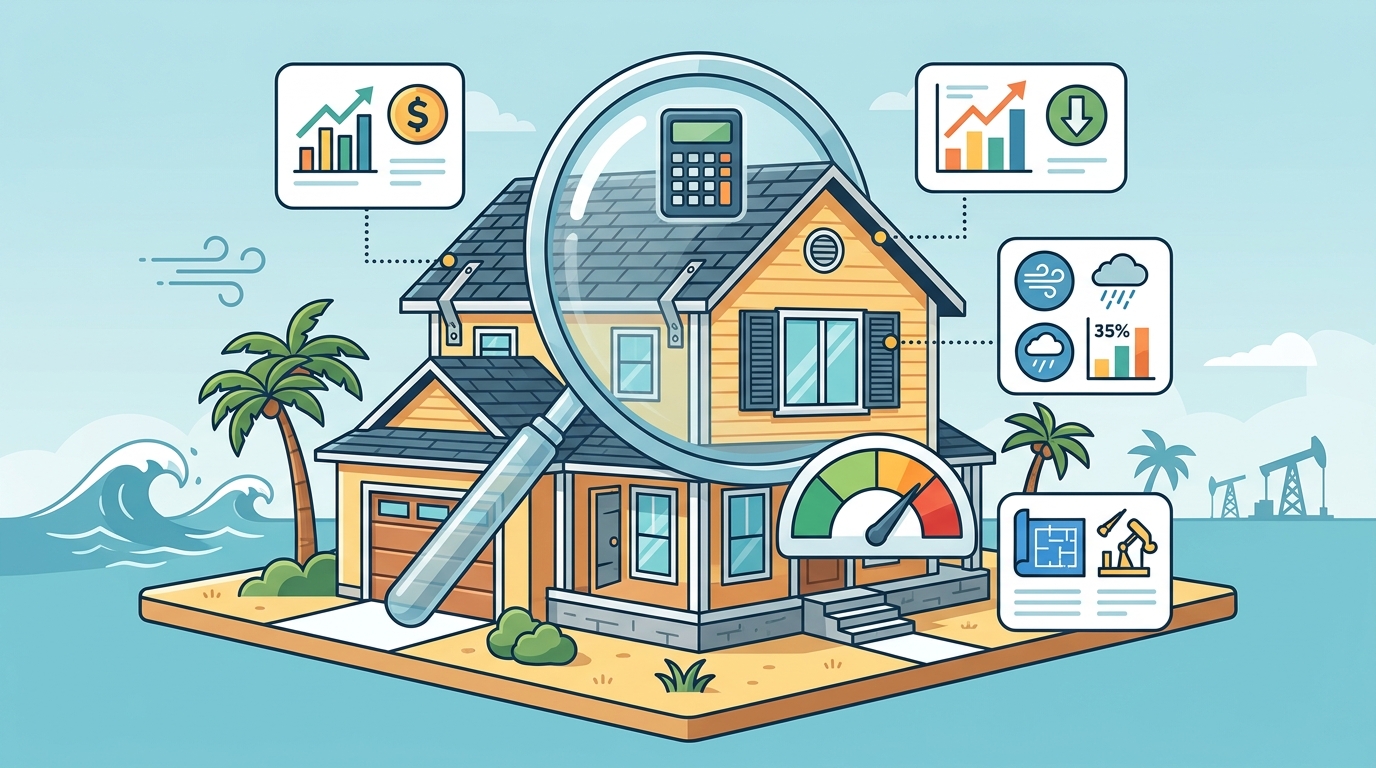
The physical characteristics of your home play a decisive role in determining your windstorm premium. Insurers evaluate the roof-to-wall attachment, the type of roofing materials, and the overall age of the structure. Homes built with modern building codes that emphasize wind resistance typically qualify for lower premiums. For instance, a roof with a high wind rating and proper sealing can significantly reduce the likelihood of uplift damage during a storm.
Additionally, the foundation type and the quality of windows and doors are scrutinized. Impact-resistant windows and reinforced garage doors are critical components of a wind-resistant home. Garage doors, in particular, are vulnerable points during high winds. If they fail, the resulting pressure differential can cause the roof to lift off. Homes with certified impact-resistant features often see a reduction in their premium costs because they present a lower risk of total loss.
It is also important to note the construction materials used. Brick and concrete block homes generally offer better wind resistance than wood-frame structures. However, the quality of the construction and maintenance is equally important. A well-maintained older home may present less risk than a poorly constructed new build. Homeowners should consider a policy review to ensure their coverage limits reflect the current replacement cost of their home, including these structural upgrades.
Location-Specific Risk Factors and Elevation
Geography is perhaps the most immutable factor in windstorm pricing. The distance to the coastline is a primary determinant. Properties located within the first few miles of the Gulf of Mexico are considered high-risk due to the direct impact of storm surges and wind speeds. As distance from the coast increases, wind speeds generally decrease, leading to lower premiums. However, even properties several miles inland can face significant risks from tornadoes and severe thunderstorms.
Elevation is another critical variable. Homes built on higher ground are less susceptible to flooding, which often accompanies windstorms. While standalone windstorm policies do not cover flood damage, the overall risk profile of the property is influenced by its flood risk. Insurers may adjust windstorm premiums based on the property's elevation relative to the base flood elevation. Understanding your property's specific risk profile is essential for accurate flood insurance planning as well.
Local zoning laws and building code enforcement also impact premiums. Areas with strict building codes that require wind-resistant construction methods will have lower average premiums compared to areas with older, less stringent codes. Homeowners should verify that their property complies with the latest WPI-8 certificate standards, which are designed to enhance wind resistance in Texas coastal regions.
Mitigation Discounts and Code Compliance
One of the most effective ways to reduce windstorm premiums is through mitigation discounts. These discounts are offered to homeowners who take proactive steps to harden their homes against wind damage. Examples include installing hurricane shutters, reinforcing roof trusses, and upgrading electrical and plumbing systems to prevent secondary damage.
Insurers often require third-party inspections to verify mitigation efforts. A certified inspector can assess your home and provide a report detailing the wind-resistant features. This report can be used to negotiate lower premiums with your insurance carrier. The potential savings can be substantial, often offsetting the cost of the mitigation improvements over time.
Furthermore, code compliance is a key factor. Homes that meet or exceed current building codes are viewed as lower risk. If your home was built before modern codes were enacted, you may be able to upgrade specific components to achieve compliance. This not only reduces your premium but also enhances the safety and resilience of your home. For guidance on these upgrades, consult with insurance professionals who specialize in coastal risk management.
Comparing Coverage Options and Deductibles
Understanding the different types of windstorm coverage is essential for making informed decisions. Replacement cost value coverage pays for the cost of rebuilding your home with similar materials and quality, without deducting for depreciation. This is typically more expensive than actual cash value coverage, which accounts for depreciation. For most homeowners, replacement cost value is the recommended option to ensure adequate protection.
Deductibles are another critical factor. Windstorm policies often have separate deductibles, which can be a percentage of the home's insured value rather than a flat dollar amount. A higher deductible will lower your premium, but it also increases your out-of-pocket costs in the event of a claim. Homeowners must balance their budget with their risk tolerance when selecting a deductible.
| Coverage Type | Description | Premium Impact | Best For |
|---|---|---|---|
| Replacement Cost | Covers full cost to rebuild without depreciation. | Higher | Most homeowners seeking comprehensive protection. |
| Actual Cash Value | Pays depreciated value of damaged property. | Lower | Those with tight budgets or older homes. |
| Percentage Deductible | Deductible is a % of home's insured value. | Variable | High-risk coastal areas with severe storm potential. |
| Flat Deductible | Fixed dollar amount per claim. | Lower | Properties with lower risk profiles. |
Key Takeaways
- Structural Integrity: Roof-to-wall attachment and impact-resistant windows significantly lower premiums by reducing wind damage risk.
- Location Risk: Proximity to the coast and elevation are primary drivers of base rates, with closer proximity leading to higher costs.
- Mitigation Discounts: Proactive upgrades like hurricane shutters and reinforced garage doors can qualify for substantial premium reductions.
- Code Compliance: Adhering to WPI-8 and other local building codes demonstrates lower risk to insurers and can improve pricing.
- Deductible Choice: Selecting the right deductible balance is crucial for managing both premium costs and potential out-of-pocket expenses.
- Local Expertise: Working with a specialized agency like Private Windstorm ensures accurate risk assessment and optimal policy selection.
- Regular Reviews: Annual policy reviews help ensure coverage keeps pace with home improvements and changing risk landscapes.
Frequently Asked Questions
What is the difference between windstorm insurance and homeowners insurance?
Standard homeowners insurance often excludes wind damage in high-risk coastal areas. Standalone windstorm insurance specifically covers damage caused by high winds, hurricanes, and tropical storms, filling this critical gap in coverage.
How does the distance from the coast affect my premium?
Properties closer to the coast face higher wind speeds and storm surge risks, leading to higher premiums. As distance from the coastline increases, wind risk generally decreases, resulting in lower costs.
Can I get a discount for installing hurricane shutters?
Yes, many insurers offer mitigation discounts for installing hurricane shutters, impact-resistant windows, and reinforced garage doors. These upgrades reduce the likelihood of damage and can significantly lower your premium.
What is a percentage deductible in windstorm insurance?
A percentage deductible is calculated as a percentage of your home's insured value rather than a flat dollar amount. This is common in high-risk areas to ensure policyholders share in the risk of catastrophic events.
Why do I need flood insurance if I have windstorm coverage?
Windstorm insurance does not cover flood damage. Floods often accompany hurricanes and heavy storms, making separate flood insurance essential for comprehensive protection against water-related damage.
How often should I review my windstorm policy?
It is recommended to review your policy annually or after any significant home improvements. This ensures your coverage limits reflect the current replacement cost of your home and that you are taking advantage of any new discounts.
What is the WPI-8 certificate?
The WPI-8 certificate is a standard form used in Texas to document windstorm and hail insurance coverage. It provides a clear summary of the policy terms, deductibles, and coverage limits, helping homeowners understand their protection.
Secure Your Protection Today
Navigating the complexities of windstorm insurance requires expertise and a deep understanding of local risk factors. At Private Windstorm, we specialize in helping homeowners in Texas City and the surrounding Gulf Coast regions secure the right coverage at competitive rates. Our team of experienced agents is dedicated to providing personalized service and expert guidance to ensure your home is protected against the elements. Contact us today to schedule a free consultation and take the first step toward peace of mind.