
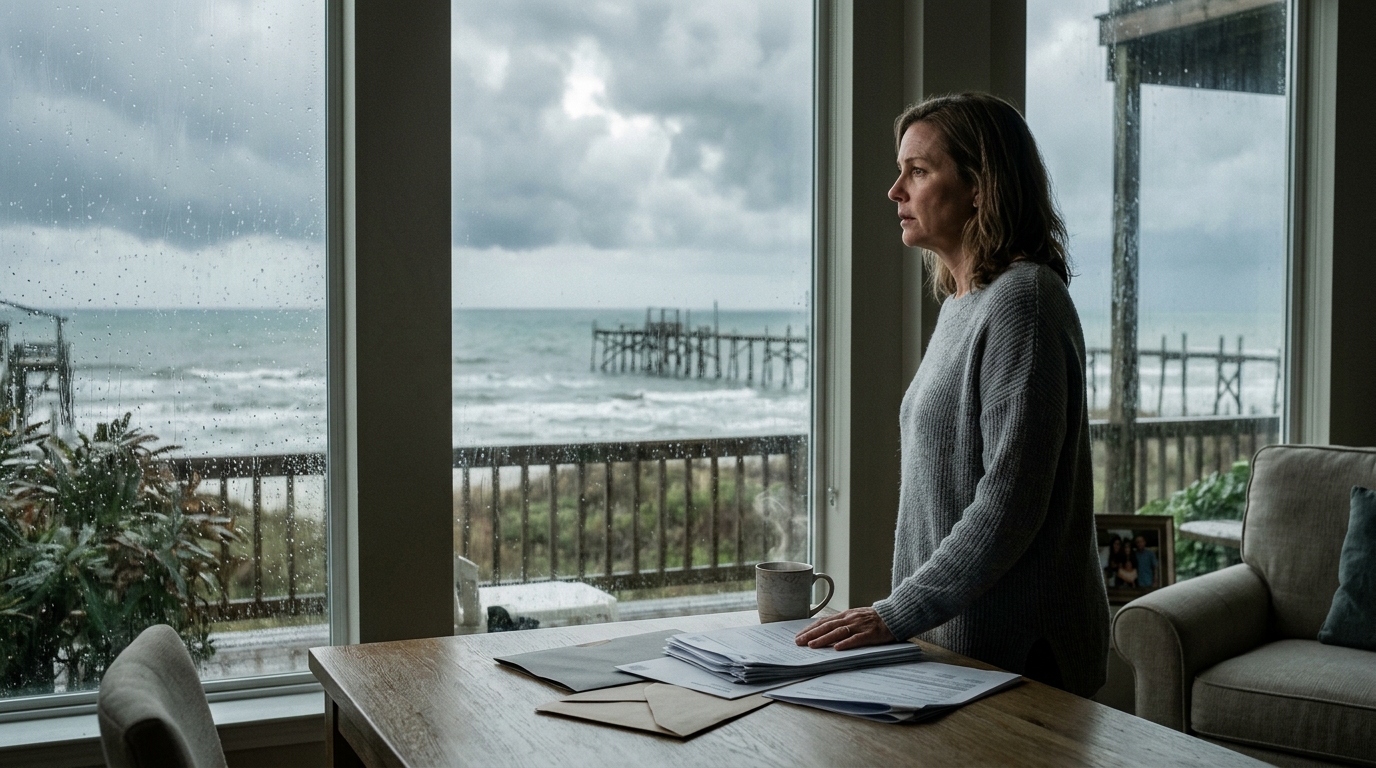
Securing windstorm insurance in Texas has become increasingly difficult for homeowners in coastal regions. Many property owners face sudden policy cancellations or outright rejections due to stricter underwriting guidelines. According to recent industry data, over 40% of homeowners in high-risk zones struggle to find affordable coverage after initial denials. This guide explains why rejections happen and how to navigate the complex landscape of Texas windstorm insurance.
Why Windstorm Rejections Happen
Windstorm insurance is specialized coverage designed to protect homes from damage caused by high winds, hail, and tornadoes. Standard homeowners policies in Texas often exclude these perils, making separate windstorm coverage essential. However, many insurers have tightened their underwriting standards in recent years.
Rejections typically stem from three main factors. First, the age and condition of your roof play a critical role. Insurers often deny coverage for roofs older than 10 to 15 years. Second, previous claims history can trigger automatic rejections. If you have filed multiple wind or hail claims, carriers may view your property as too high-risk. Third, the location of your home relative to the coast affects eligibility. Properties within certain distance thresholds of the Gulf Coast face stricter scrutiny.
Windstorm insurance is a specialized policy that covers damage from high winds and hail, distinct from standard homeowners coverage. Understanding these criteria is the first step toward securing protection. If your home does not meet standard carrier requirements, you may need to look beyond traditional insurers.
The WPI-8 Certificate Explained
One of the most common reasons for rejection is the lack of a valid WPI-8 certificate. The WPI-8 is a standardized form used by Texas insurers to document the wind-resistant features of a home. This certificate proves that your roof meets specific building codes and construction standards.
Insurers require this document to assess the risk level of your property. Without a current WPI-8, many carriers will automatically deny your application. The certificate must be issued by a licensed inspector and must accurately reflect the current condition of your roof and other wind-resistant features.
Windstorm insurance in Texas requires proof of wind-resistant construction, often documented through the WPI-8 form. If your previous application was rejected, it may be because your WPI-8 was expired or inaccurate. Updating your roof or obtaining a new inspection can significantly improve your chances of approval.
Alternative Coverage Options
If you have been rejected by standard windstorm carriers, several alternative options remain available. These alternatives are designed for homeowners who do not meet the strict criteria of major insurers.
1. Texas Windstorm Insurance Association (TWIA)
The Texas Windstorm Insurance Association (TWIA) is a state-backed insurer of last resort. It provides windstorm and hail coverage for properties along the Texas Gulf Coast. TWIA serves as a safety net for homeowners who cannot find coverage in the private market. However, TWIA has its own eligibility requirements, including distance from the coast and roof age restrictions.

2. Surplus Lines Carriers
Surplus lines carriers are non-admitted insurers that offer coverage for high-risk properties. These carriers have more flexible underwriting guidelines than standard insurers. They may accept older roofs or properties with previous claims history. However, premiums from surplus lines carriers are typically higher than those from standard insurers.
3. Windstorm Included Home Policy
Some agencies offer a Windstorm Included Home Policy. This innovative product combines homeowners and windstorm coverage into a single policy. It simplifies the insurance process by eliminating the need for separate windstorm policies. This option is particularly beneficial for homeowners who want comprehensive coverage without managing multiple policies.
Flood insurance provides coverage for property damage caused by flooding, which is not included in standard windstorm policies. Homeowners in coastal areas should consider bundling flood and windstorm coverage for complete protection.
Comparing Insurance Providers
Choosing the right provider is crucial after facing rejections. Below is a comparison of common windstorm insurance options available to Texas homeowners.
| Provider Type | Eligibility | Premium Cost | Best For |
|---|---|---|---|
| Standard Windstorm Carriers | Roof under 10-15 years old, no recent claims | Low to Moderate | Well-maintained homes in good condition |
| TWIA | Gulf Coast properties, specific roof requirements | Moderate | Homeowners unable to find private market coverage |
| Surplus Lines Carriers | Flexible, accepts high-risk properties | High | Properties with older roofs or claims history |
| Windstorm Included Policy | Varies by agency, often more flexible | Moderate to High | Homeowners seeking simplified, comprehensive coverage |
Key Takeaways
- Roof Age Matters: Most standard carriers reject applications for roofs older than 10 to 15 years.
- WPI-8 is Essential: A current and accurate WPI-8 certificate is often required for approval.
- TWIA is a Last Resort: The Texas Windstorm Insurance Association provides coverage for those denied by private insurers.
- Surplus Lines Offer Flexibility: Non-admitted carriers accept higher-risk properties at a premium cost.
- Bundle for Savings: Combining windstorm and flood insurance can provide comprehensive protection.
- Expert Guidance Helps: Working with a specialized agency can uncover hidden coverage options.
- Act Quickly: Insurance denials can leave your property vulnerable during storm season.
Frequently Asked Questions
What is the most common reason for windstorm insurance rejection?
The most common reason is an older roof that does not meet current wind-resistant building codes. Insurers often require roofs to be less than 10 to 15 years old.
Can I get windstorm insurance if I have a bad claims history?
Yes, but your options may be limited. Surplus lines carriers and TWIA may offer coverage, though premiums will likely be higher.
What is the WPI-8 certificate?
The WPI-8 is a standardized form that documents the wind-resistant features of a home. It is required by many Texas insurers to assess risk.
Does standard homeowners insurance cover windstorm damage?
No, standard homeowners policies in Texas typically exclude windstorm and hail damage. Separate windstorm coverage is required.
How do I apply for TWIA coverage?
You can apply for TWIA coverage through their official website or by contacting a licensed insurance agent who specializes in Gulf Coast properties.
What is a Windstorm Included Home Policy?
This is a specialized policy that combines homeowners and windstorm coverage into one document, simplifying the insurance process for homeowners.
Why is flood insurance separate from windstorm insurance?
Flood insurance covers damage from rising water, while windstorm insurance covers damage from high winds and hail. They address different perils.
Get Your Quote Today
Do not let rejections leave your home unprotected. Brad Spurgeon Insurance Agency Inc. has served the Texas Gulf Coast since 1986. We specialize in helping homeowners who have been denied coverage by standard carriers. Our team understands the complexities of windstorm insurance and can guide you to the right solution.
Contact us today for a free consultation. We can help you navigate the options available, from TWIA to surplus lines carriers and our exclusive Windstorm Included Home Policy. Protect your home with confidence.
Get a Home Insurance Quote | Get a Flood Insurance Quote | Get a Windstorm Insurance Quote