
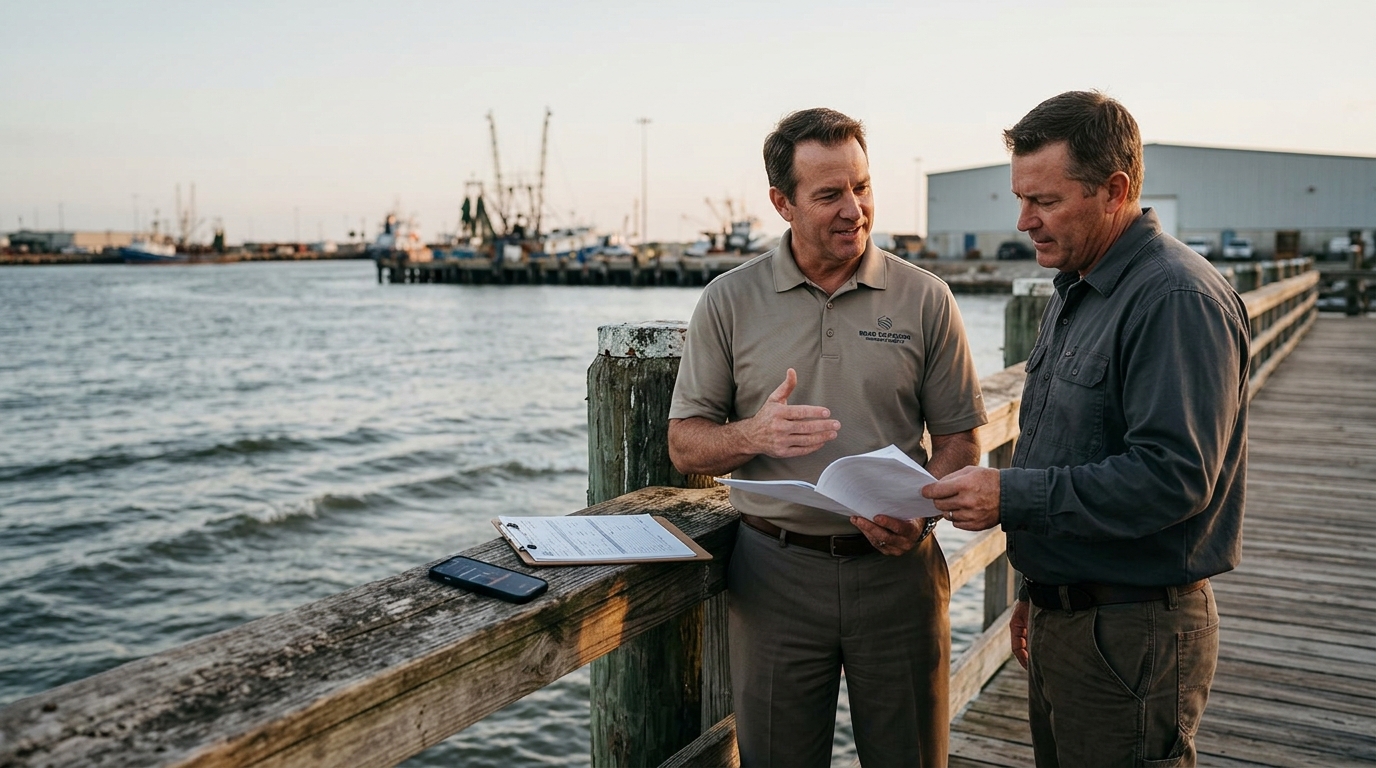
State Residual Market Windstorm Options for Commercial Property Owners
State residual markets act as insurers of last resort when private carriers decline to write windstorm coverage for high-risk commercial properties. These state-backed entities ensure that property owners in coastal or hurricane-prone regions can still secure mandatory or essential protection. For commercial owners in Texas, understanding the mechanics, eligibility, and limitations of these residual markets is critical for maintaining continuous coverage and avoiding financial exposure during severe weather events. For additional details, review the Best Lago Mar Homeowners.
The Role of State Residual Markets in Texas
State residual markets are government-sponsored insurance programs designed to provide coverage when the private insurance market fails to do so. In Texas, the Texas Windstorm Insurance Association (TWIA) serves as the primary residual market for windstorm coverage. TWIA was established to ensure that property owners in designated coastal areas can obtain insurance even if private carriers withdraw from the market. This mechanism is particularly vital for commercial properties located in high-risk zones where private insurers may issue notices of non-renewal due to elevated risk profiles.
The existence of these residual markets stabilizes the insurance ecosystem by providing a safety net. For commercial owners, this means that a non-renewal notice from a private carrier does not necessarily leave them unprotected. However, it is important to note that residual markets often operate with different underwriting guidelines and pricing structures compared to private carriers. Understanding these differences is the first step in navigating the transition from private to state-backed coverage.
Eligibility and Designated Coastal Areas
Eligibility for state residual market coverage is typically tied to geographic location. In Texas, TWIA covers properties located in specific coastal counties and designated areas. Commercial property owners must verify whether their property falls within these boundaries to qualify for coverage. The Texas Department of Insurance maintains the official maps and lists of eligible areas. If a property is located in a designated coastal area, the owner is generally eligible to purchase windstorm coverage from the residual market, regardless of their claims history or risk profile.
It is crucial for commercial owners to confirm their property's status before a policy expires. If a property is not in a designated area, the residual market may not be an option, and the owner must seek coverage from private carriers or explore other alternatives. This geographic constraint is a key factor in planning for potential non-renewals. Owners should proactively check their eligibility to avoid last-minute scrambles for coverage.
Underwriting Guidelines and Risk Assessment
State residual markets often have more standardized underwriting guidelines than private carriers. While private insurers may use complex risk models and individual assessments, residual markets typically apply uniform criteria based on location, construction type, and occupancy. For commercial properties, this can mean that coverage is more accessible, but it may also come with higher premiums or stricter deductibles. The goal of these markets is to provide coverage, not to profit, which can result in different pricing dynamics.
Transitioning from Private to Residual Market Coverage
Transitioning from a private carrier to a state residual market requires careful planning and timing. Owners should begin the process well before their current policy expires to ensure continuity of coverage. This involves gathering necessary documentation, such as property details, construction information, and claims history. The application process for residual market coverage can take time, and delays can result in coverage gaps.
During the transition, owners should communicate with their insurance agent to understand the implications of switching to a residual market. Agents can help navigate the application process and explain the differences in coverage terms. It is also important to review the policy documents carefully to understand any exclusions or limitations. A smooth transition ensures that the property remains protected throughout the switch.

Long-Term Implications and Risk Management
Reliance on state residual markets can have long-term implications for commercial property owners. While these markets provide essential coverage, they may not offer the same level of service or flexibility as private carriers. Owners should consider this when making long-term risk management decisions. Additionally, the availability of residual market coverage can influence property values and investment decisions in coastal areas.
Commercial owners should also explore risk mitigation strategies to reduce their reliance on residual markets. This may include investing in wind-resistant construction, improving drainage systems, or implementing other measures to lower the risk of windstorm damage. By proactively managing risk, owners can potentially qualify for better coverage terms or return to the private market in the future. A comprehensive risk management plan is essential for long-term financial stability.
Key Takeaways
- State residual markets act as insurers of last resort for high-risk commercial properties.
- Eligibility is typically tied to geographic location in designated coastal areas.
- Residual markets often have standardized underwriting guidelines and different pricing structures.
- Transitioning to residual market coverage requires careful planning and timely action.
- Long-term reliance on residual markets may impact service levels and flexibility.
- Proactive risk mitigation can help reduce reliance on state-backed coverage.
Frequently Asked Questions
What is a state residual market?
A state residual market is a government-sponsored insurance program that provides coverage when private insurers decline to do so, acting as an insurer of last resort for high-risk properties.
How does TWIA work for commercial properties?
TWIA provides windstorm coverage for properties in designated coastal areas of Texas, ensuring that owners can secure protection even if private carriers issue non-renewal notices.
Are all commercial properties eligible for residual market coverage?
No, eligibility is typically limited to properties located in designated coastal areas. Owners must verify their property's location to qualify for coverage.
What are the underwriting guidelines for residual markets?
Residual markets often use standardized guidelines based on location, construction type, and occupancy, which may differ from the complex risk models used by private carriers.
How should I transition from a private carrier to a residual market?
Begin the process well before your current policy expires, gather necessary documentation, and work with your insurance agent to ensure a smooth transition and continuity of coverage.
What are the long-term implications of using residual market coverage?
Reliance on residual markets may result in different service levels and flexibility compared to private carriers, so owners should consider risk mitigation strategies to manage long-term exposure.
Conclusion
Understanding state residual market windstorm options is essential for commercial property owners in high-risk areas. By recognizing the role of these markets, verifying eligibility, and planning for transitions, owners can ensure continuous coverage and financial stability. Brad Spurgeon Insurance Agency offers expert guidance on navigating these complex insurance landscapes, helping clients make informed decisions and protect their investments.