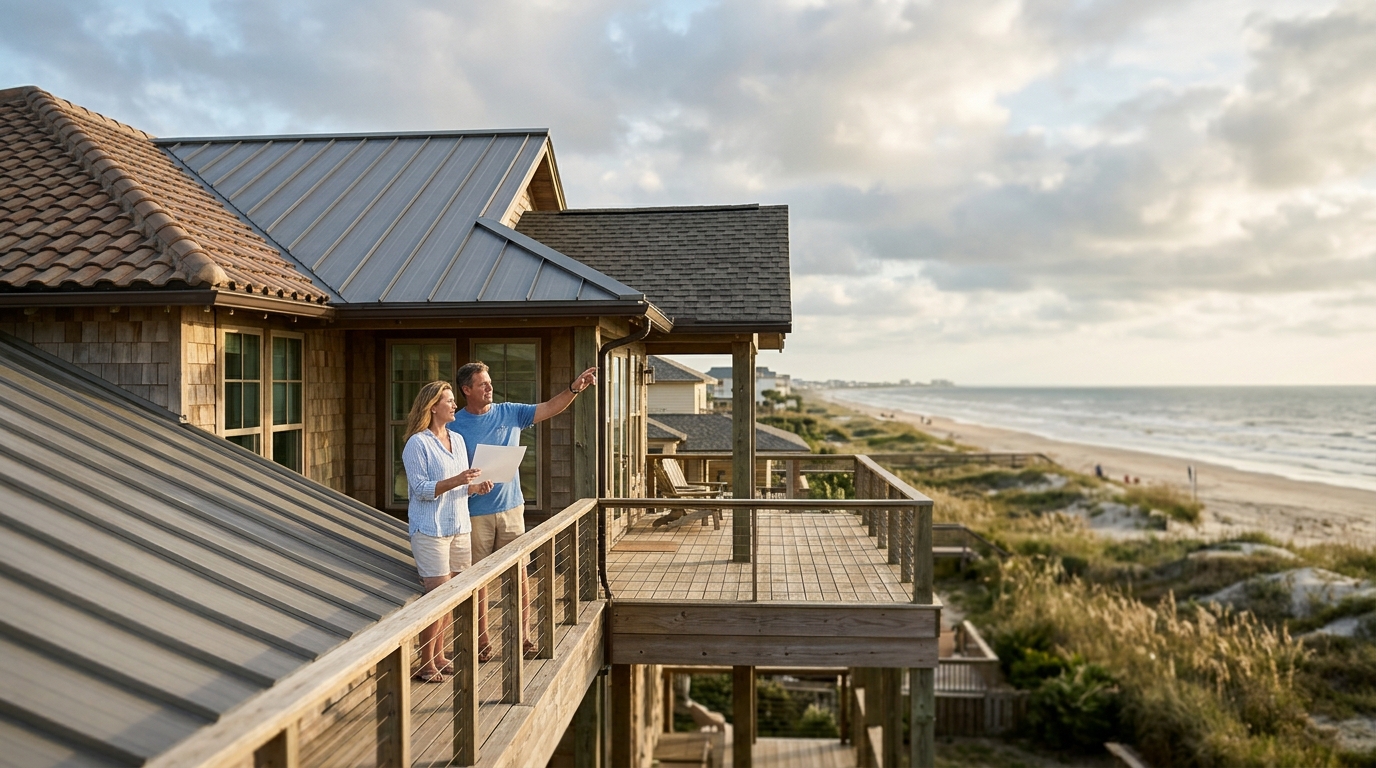
Windstorm insurance premiums are heavily influenced by the physical resilience of your home. Insurers assess the risk of structural failure based on your roof material and construction type. Homes with impact-resistant roofs and reinforced framing generally qualify for lower rates. Understanding these factors helps homeowners in Galveston, TX, make informed decisions about upgrades and coverage.
The Impact of Roofing Materials on Risk Assessment
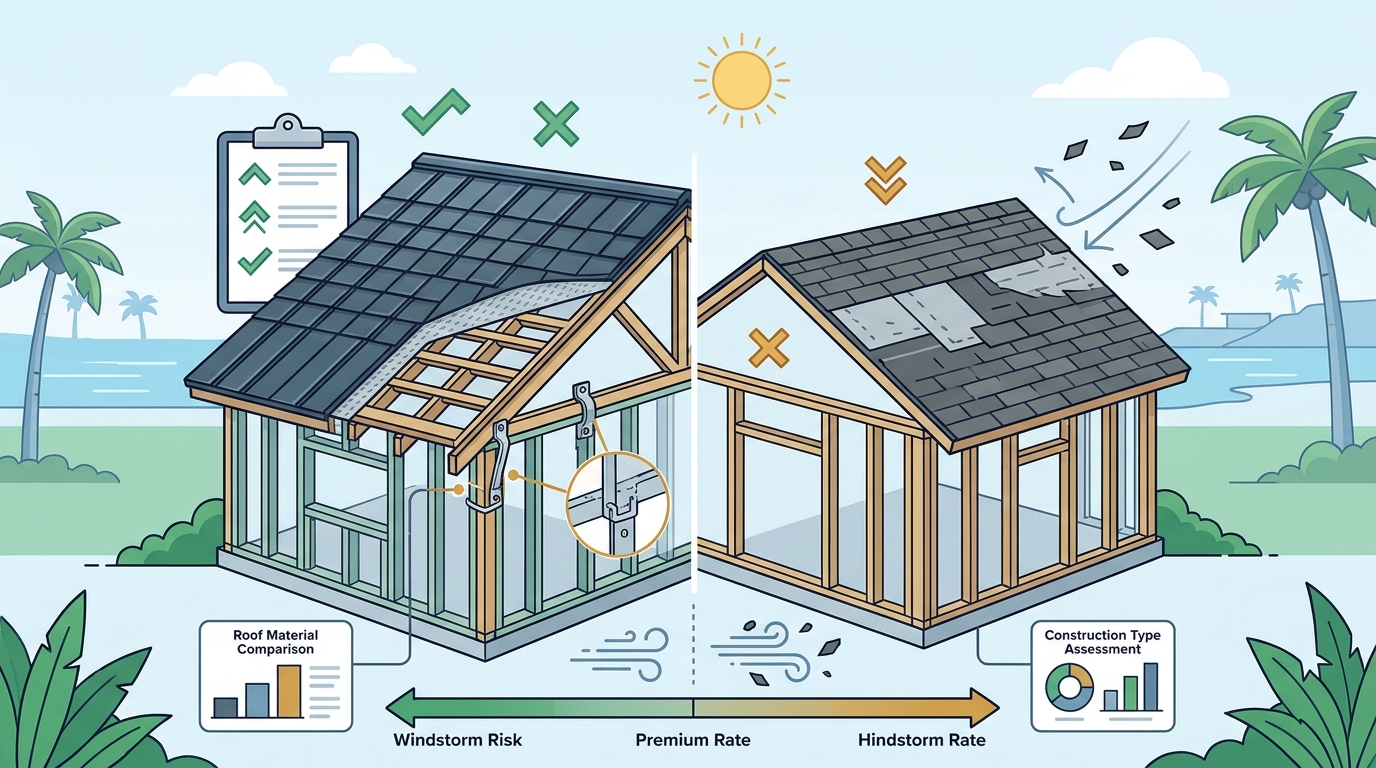
Roofing material is the single most visible factor insurers use to gauge wind resistance. Asphalt shingles are the most common material in the region, but their rating matters more than the material itself. Class 3 or Class 4 shingles are designed to withstand higher wind speeds and impact from debris. Insurers often offer discounts for these higher-rated materials because they are less likely to fail during a storm.
Tile and metal roofs present different risk profiles. Tile roofs are heavy and can be secured with special adhesives, but if they fail, the damage is often extensive. Metal roofs are lightweight and can be engineered to withstand high winds, but they require proper fastening to prevent lifting. The key is not just the material, but how it is installed. A properly installed metal roof can outperform a poorly installed tile roof in high-wind events.
At Brad Spurgeon Insurance Agency, we review your specific roof type and installation quality when discussing coverage options. This ensures your policy reflects the true resilience of your home.
Construction Type and Structural Integrity
The construction type of your home determines how well it can withstand wind forces. Wood-frame construction is common in Texas, but the quality of the framing and connections is critical. Insurers look for evidence of reinforced trusses, hurricane straps, and impact-resistant windows. These features help keep the home together during a storm, reducing the likelihood of catastrophic failure.
Masonry and concrete construction offer inherent strength against wind. Homes built with brick or concrete block walls are less likely to suffer structural collapse. However, the roof-to-wall connection remains a critical point of failure. Even a strong wall cannot protect the home if the roof lifts off. Insurers evaluate the entire structural system, not just individual components.
Understanding your home's construction type helps you identify potential vulnerabilities. If your home has older wood framing without modern reinforcements, you may face higher premiums. Upgrading these components can reduce your risk profile and lower your costs over time.
Age of Home and Building Codes
The age of your home is a proxy for the building codes in place when it was constructed. Homes built after 2000 are more likely to meet modern wind-resistant building codes. These codes require stronger roof-to-wall connections, impact-resistant windows, and reinforced trusses. Insurers recognize this and often offer lower rates for newer homes.
Older homes, particularly those built before 1990, may not meet current standards. This does not mean they are uninsurable, but it does mean they carry a higher risk profile. Insurers may require inspections or upgrades before offering coverage. The cost of these upgrades can be significant, but they can also increase your home's value and safety.
When shopping for home insurance, it is important to disclose the age and construction details of your home accurately. This helps your agent find the right coverage and avoid surprises at claim time.
Cost-Benefit Analysis of Upgrades
Investing in wind-resistant upgrades can pay off in lower insurance premiums. The cost of upgrading your roof or reinforcing your structure should be weighed against the potential savings on your insurance. For example, replacing asphalt shingles with Class 4 shingles may cost several thousand dollars, but it could reduce your windstorm premium by 10-20%.
Impact-resistant windows are another common upgrade. These windows are designed to withstand impact from debris and high winds. They can reduce your premium and protect your home from water intrusion. The cost of these windows varies, but they are often a worthwhile investment for homeowners in high-risk areas.
It is important to consult with a professional before making any upgrades. Not all upgrades are created equal, and some may not qualify for insurance discounts. A licensed contractor can help you choose the right materials and installation methods.
How to Verify Your Home's Risk Profile
Verifying your home's risk profile is a proactive step that can save you money. Start by reviewing your home's construction documents, including blueprints and inspection reports. These documents can provide valuable information about your home's structural integrity. If you are unsure about your home's construction type, consider hiring a professional inspector.
Many insurers offer free or low-cost inspections to assess your home's wind resistance. These inspections can identify potential vulnerabilities and recommend upgrades. The results of these inspections can be used to negotiate lower premiums or qualify for discounts. It is a win-win situation for both you and your insurer.
At Brad Spurgeon Insurance Agency, we can help you understand how your home's physical characteristics affect your insurance rates. We work with you to identify opportunities for savings and ensure your coverage is appropriate for your home.
Key Takeaways
- Roof material and installation quality are primary factors in windstorm insurance pricing.
- Class 3 and Class 4 shingles often qualify for premium discounts due to their wind resistance.
- Modern building codes require stronger structural connections, which can lower insurance costs.
- Older homes may face higher premiums due to outdated construction standards.
- Investing in wind-resistant upgrades can reduce premiums and improve home safety.
- Professional inspections can help verify your home's risk profile and identify savings opportunities.
Frequently Asked Questions
Does roof material alone determine my windstorm insurance rate?
No, roof material is one of several factors. Insurers also consider construction type, age of home, location, and wind zone. A combination of factors determines your final rate.
Are metal roofs cheaper to insure than asphalt shingles?
It depends on the installation and rating. Properly installed metal roofs can be very wind-resistant, but they may not always be cheaper to insure than high-rated asphalt shingles. The key is the overall risk profile.
Can I get a discount for impact-resistant windows?
How does the age of my home affect my insurance rate?
Older homes may face higher rates because they may not meet modern building codes. Newer homes are more likely to have wind-resistant features, which can lower your rate.
Do I need to upgrade my home to get lower insurance rates?
Not necessarily, but upgrades can help. If your home has significant vulnerabilities, upgrading may be the best way to reduce your premium. Consult with your insurance agent to determine the best course of action.
Where can I find out if my home qualifies for windstorm discounts?
Contact your insurance agent or insurer. They can review your home's details and tell you if you qualify for any discounts. Brad Spurgeon Insurance Agency can help you with this process.
Conclusion
Your home's roof material and construction type play a significant role in determining your windstorm insurance rates. By understanding these factors and making informed decisions about upgrades, you can reduce your premiums and improve your home's safety. At Brad Spurgeon Insurance Agency, we are committed to helping you navigate these complexities and find the right coverage for your home. Contact us today to learn more about how we can help you protect your investment.