
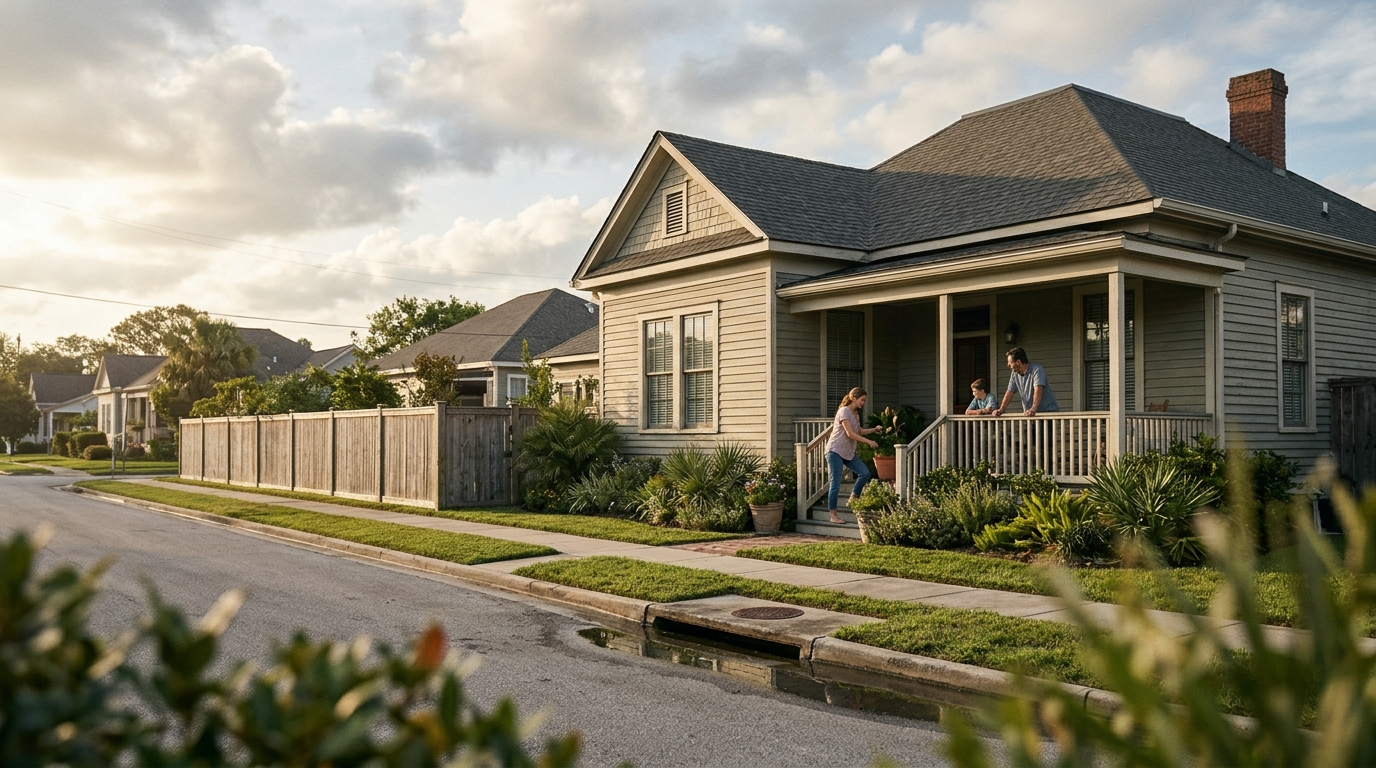
Windstorm insurance protects your home in Galveston by covering structural damage caused by high winds, hail, and flying debris during hurricanes. The Texas Department of Insurance defines this coverage as paying to repair or rebuild your house if damaged by wind or hail. For coastal residents, this specialized policy is often separate from standard homeowners insurance, which typically excludes wind damage in high-risk zones. Brad Spurgeon Insurance Agency helps Galveston homeowners navigate these specific requirements to ensure their properties are fully protected before hurricane season begins.
The Scope of Windstorm Coverage
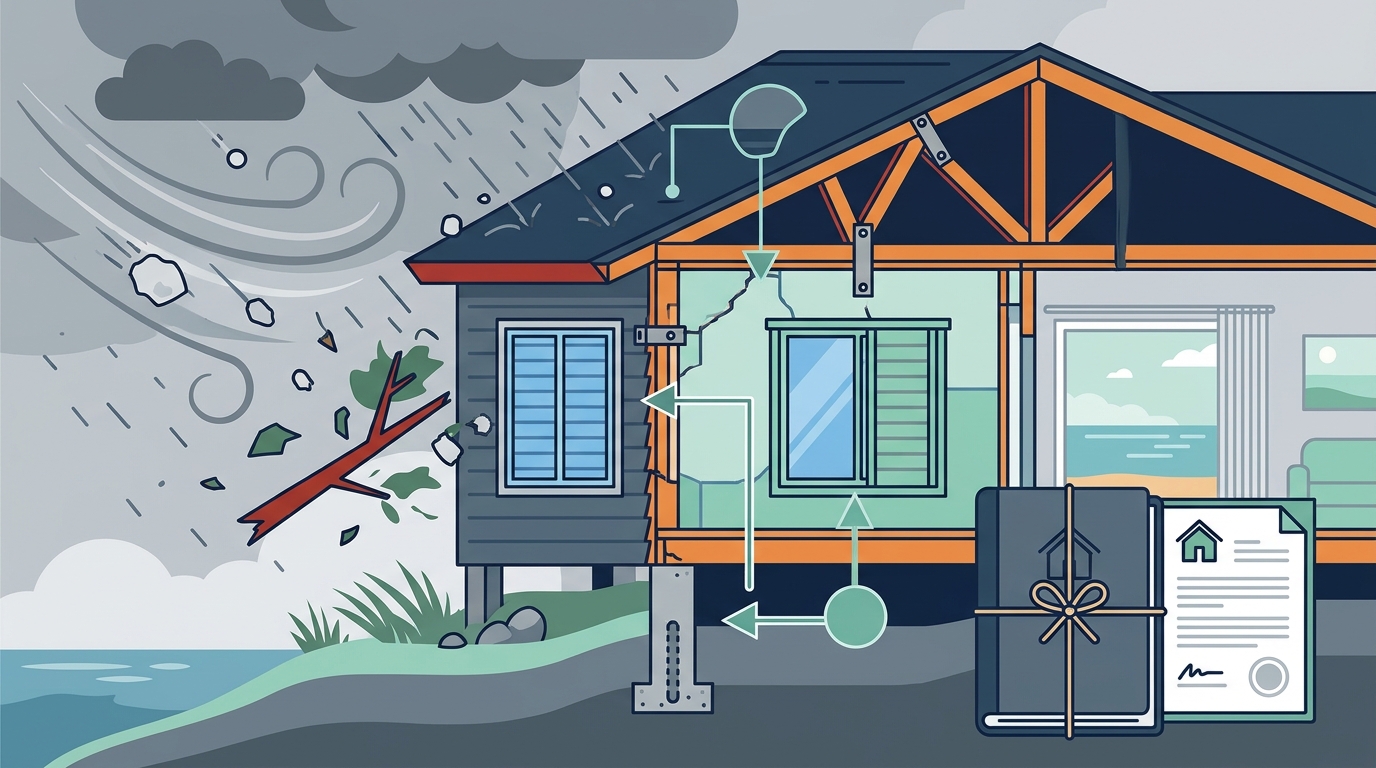
Windstorm insurance is a specific type of property insurance that covers damage resulting from high winds, including those from hurricanes, tropical storms, and tornadoes. It is distinct from standard homeowners policies, which often exclude wind and hail damage in coastal Texas. This coverage typically includes the physical structure of your home, such as the roof, walls, and windows, as well as detached structures like garages and sheds. Understanding the specific coverage limits is critical because windstorm policies often have different deductibles and limits than your primary home policy.
Structural and Detached Structures
The dwelling coverage within a windstorm policy protects the main structure of your home. This includes the roof, which is often the most vulnerable part of a house during a storm. It also covers exterior walls, doors, and windows that may be breached by wind-driven debris. Detached structures, such as a separate garage or a storage shed, are usually covered under a specific sub-limit, often around 10% to 30% of the dwelling coverage limit. Homeowners in Galveston should verify these limits to ensure their outbuildings are adequately protected.
Personal Property and Contents
Windstorm insurance also extends to personal property inside the home. If high winds cause a roof breach or a window to shatter, the resulting damage to furniture, electronics, and clothing is typically covered. However, it is important to note that windstorm policies generally do not cover flood damage. If water enters your home due to rising water or storm surge, that is a flood loss, not a wind loss. Separate flood insurance is required to cover water-related damage, making it a crucial companion to windstorm coverage.
Understanding Windstorm Deductibles
Percentage vs. Fixed Deductibles
Percentage-based deductibles are common in coastal areas because they align the insurer's risk with the value of the property. A higher percentage deductible usually results in a lower premium, but it also means a higher out-of-pocket cost if a claim is filed. Homeowners should carefully consider their financial reserves when choosing a deductible. If you cannot afford to pay a large percentage of your home's value out of pocket, you may need to choose a lower deductible, which will increase your annual premium.
Impact on Claim Decisions
The size of the deductible can influence whether you file a claim at all. If the damage is minor and the repair cost is close to your deductible, it might be more cost-effective to pay for the repairs yourself. However, if the damage is extensive, the insurance payout will be significantly reduced by the deductible. Reviewing your deductible options before a storm hits is essential for making informed decisions during a crisis.
TWIA Eligibility and WPI-8 Certificates
In many parts of coastal Texas, including Galveston, the Texas Windstorm Insurance Association (TWIA) serves as the insurer of last resort for wind and hail coverage. To purchase a policy from TWIA, your home must meet specific building code standards. This requirement is documented through a Windstorm Certificate of Compliance, commonly known as a WPI-8. This certificate is issued by the Texas Department of Insurance and verifies that your home was built or renovated to meet wind-resistant building codes.
The Role of the WPI-8
The WPI-8 certificate is not just a formality; it is a legal requirement for TWIA eligibility. If your home was built before the current building codes were in effect, you may need to have it inspected and certified by a licensed engineer. This process, known as a WPI-8-E, involves a structural review to ensure the home can withstand high winds. Understanding the WPI-8 process is vital for homeowners who are buying or selling property in the TWIA zone.
Private vs. TWIA Coverage
While TWIA is the insurer of last resort, many homeowners in Galveston can purchase windstorm coverage from private insurers. Private carriers may have different eligibility requirements and may not require a WPI-8 certificate, depending on the specific policy and the home's construction. However, if a private insurer declines to cover your home, you may be required to buy from TWIA. Comparing private and TWIA options can help you find the best coverage for your specific situation.
Filing a Windstorm Claim
After a hurricane, the process of filing a windstorm claim can be stressful and complex. It is important to document all damage as soon as it is safe to do so. Take photos and videos of the exterior and interior of your home, focusing on areas affected by wind and debris. Keep records of all communications with your insurance company and any contractors you hire for repairs. Knowing the claim process in advance can help you navigate the aftermath of a storm more effectively.
Documentation and Evidence
Insurance adjusters will review your claim based on the evidence you provide. Clear, detailed documentation of the damage can help expedite the claims process. It is also important to understand the difference between wind damage and flood damage, as they are covered by different policies. If you are unsure about the cause of the damage, it may be helpful to consult with a public adjuster or an insurance professional who can help you categorize the losses correctly.
Timeliness and Communication
Most insurance policies require you to report a claim within a certain timeframe after the loss occurs. Delaying your report can complicate the claims process and may result in a denial. Keep in mind that after a major hurricane, insurance companies may be overwhelmed with claims, which can lead to longer processing times. Staying in regular contact with your adjuster and providing requested information promptly can help keep your claim moving forward.
Hurricane Season Preparation
Preparing your home for hurricane season involves more than just buying insurance. It includes physical measures to reduce wind damage and financial planning to handle potential losses. Securing your roof, installing impact-resistant windows, and trimming trees can all help mitigate the impact of high winds. Additionally, having an emergency plan in place, including a designated meeting spot and a list of emergency contacts, is crucial for your family's safety. according to Flood Protection Information
Physical Home Hardening
Investing in home hardening measures can not only reduce the likelihood of damage but may also lower your insurance premiums. Some insurers offer discounts for homes with impact-resistant windows, reinforced roofs, or other wind-resistant features. Implementing safety measures is a proactive step that can save you money and stress in the long run.
Financial Readiness
Having an emergency fund set aside for potential out-of-pocket expenses is a smart financial strategy. This fund can cover your deductible, temporary housing costs, and other expenses that may arise after a storm. Reviewing your insurance policy annually to ensure your coverage limits are adequate for the current replacement cost of your home is also important. Scheduling a policy review with your agent can help you identify any gaps in your coverage before hurricane season begins.
Key Takeaways
- Windstorm insurance covers damage from high winds and hail but excludes flood damage.
- Deductibles for windstorm policies are often a percentage of the dwelling limit, not a fixed amount.
- A WPI-8 certificate is required for TWIA eligibility in many coastal Texas areas.
- Private insurers may offer windstorm coverage without a WPI-8, but TWIA is the insurer of last resort.
- Documenting damage thoroughly and understanding the claim process are critical after a storm.
- Home hardening measures can reduce damage and may lower insurance premiums.
- Regular policy reviews ensure your coverage limits are adequate for current replacement costs.
Frequently Asked Questions
Does windstorm insurance cover flood damage?
No, windstorm insurance does not cover flood damage. Flood damage, including storm surge and rising water, requires a separate flood insurance policy.
What is a WPI-8 certificate?
A WPI-8 certificate is a document issued by the Texas Department of Insurance that verifies a home meets wind-resistant building code standards. It is required for TWIA eligibility.
How are windstorm deductibles calculated?
Can I buy windstorm insurance from a private carrier?
Yes, many homeowners in coastal Texas can purchase windstorm coverage from private insurers. If a private insurer declines coverage, you may be required to buy from TWIA.
How do I file a windstorm claim?
To file a claim, document all damage with photos and videos, contact your insurance company promptly, and provide any requested information. Understanding the difference between wind and flood damage is also important.
Does home hardening lower insurance premiums?
Yes, some insurers offer discounts for homes with wind-resistant features such as impact-resistant windows or reinforced roofs. These measures can reduce the likelihood of damage and lower premiums.
Protecting Your Home in Galveston
Navigating the complexities of windstorm insurance in Galveston requires careful planning and understanding of local regulations. By securing the right coverage, understanding your deductibles, and preparing your home for hurricane season, you can protect your most valuable asset. Contact Brad Spurgeon Insurance Agency for a personalized consultation to ensure your home is fully protected before the next storm season.