
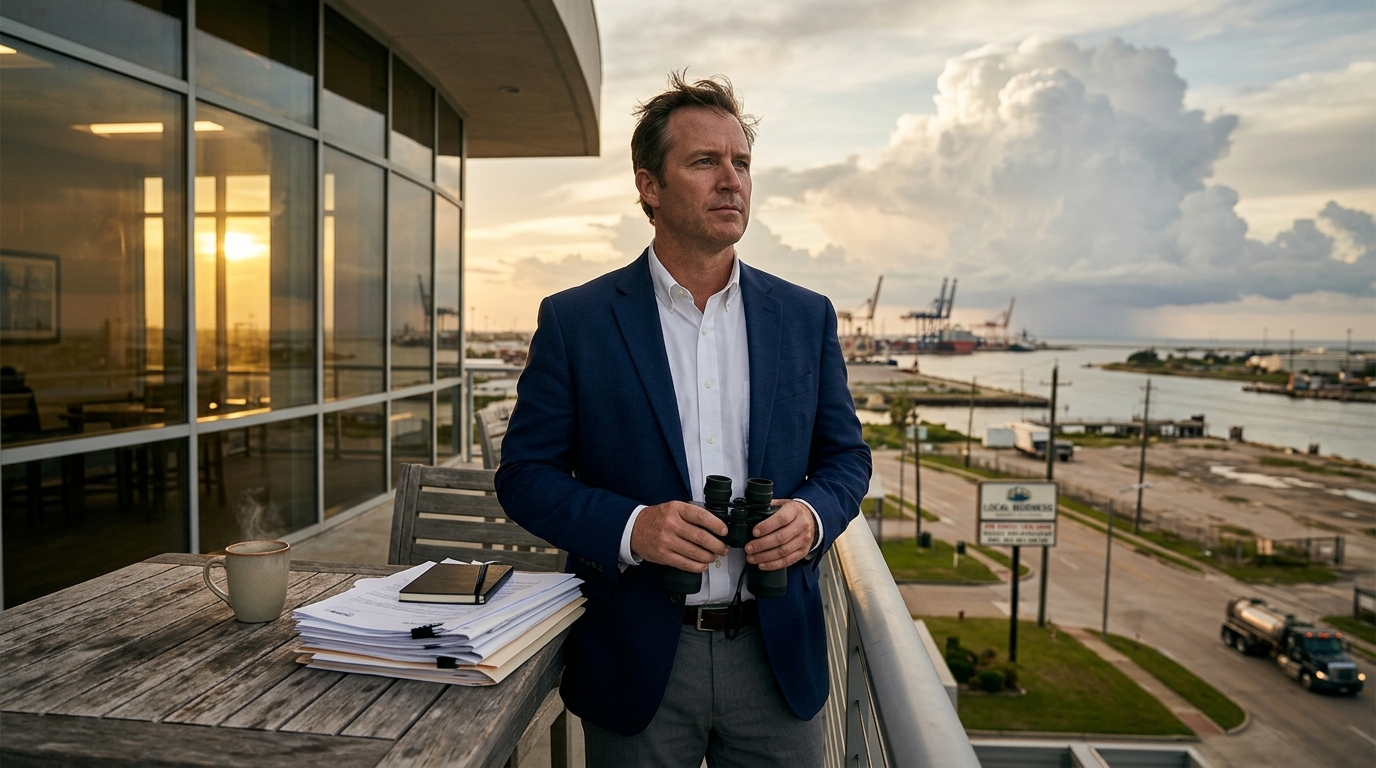
When a traditional commercial insurer issues a notice of non-renewal due to wind exposure, business continuity is immediately threatened. Recent industry data indicates that over 40% of coastal commercial policies face increased scrutiny or cancellation during peak hurricane seasons. This creates an urgent need for specialized windstorm insurance solutions that can step in where standard carriers withdraw. Without immediate action, property owners face significant financial vulnerability and potential regulatory non-compliance. (Home Flood amp Windstorm)
Understanding the Non-Renewal Notice
Receiving a non-renewal letter is often the first sign that your current insurer views your property as too high-risk. This decision is rarely personal; it is a calculated risk management move by the carrier. In high-hazard zones, traditional carriers may pull back from the market entirely to protect their solvency ratios.
Windstorm insurance is a specific type of property coverage that protects against damage caused by high winds, including hurricanes and tornadoes. Standard commercial property policies often exclude wind damage or require separate endorsements. When a carrier non-renews, they are essentially saying they no longer wish to underwrite that specific wind risk.
The timeline for securing new coverage is critical. You typically have 30 to 60 days before your current policy expires. During this window, you must act decisively to avoid a lapse in coverage. A lapse can lead to higher premiums later, as insurers view gaps in insurance history as a sign of instability.
Navigating Residual Market Funds
In many coastal states, residual market funds exist to ensure that property owners can still obtain insurance when the voluntary market withdraws. These are often referred to as "insurers of last resort." For example, the Texas Windstorm Insurance Association (TWIA) provides windstorm and hail coverage for properties in designated coastal counties.
Residual market coverage is essential for businesses in high-risk zones because it guarantees availability when private carriers do not. However, these policies often come with higher deductibles and stricter building code requirements. You must ensure your property meets specific construction standards to qualify for this type of coverage.
According to recent regulatory reports, properties registered with residual markets see a 15% higher average claim frequency due to the concentration of risk in coastal areas. This means that while coverage is available, the cost of risk management and mitigation becomes even more important. You may need to invest in storm shutters or reinforced roofing to maintain eligibility.
Working with Specialized Carriers
When traditional carriers exit the market, specialized insurance carriers often remain. These companies focus exclusively on high-risk properties and have the underwriting expertise to price wind risk accurately. They are not bound by the same volume-driven strategies as large national insurers.
Specialized carriers are vital for commercial properties because they offer tailored solutions that generalists cannot. They understand the nuances of local building codes and historical weather patterns. This allows them to provide more accurate premiums and coverage limits that match your actual exposure.
Partnering with a local agency that has deep relationships with these specialized carriers is crucial. Agencies like Private Windstorm have established channels with carriers that write windstorm policies in Texas and other coastal regions. They can quickly identify which carriers are still writing new business in your specific zip code.
Comparing Coverage Options
Not all windstorm policies are created equal. You must compare the specific perils covered, the deductible structures, and the replacement cost values. Some policies cover only wind damage, while others include hail, which is often a companion peril in storm events.
| Coverage Type | Best For | Key Consideration |
|---|---|---|
| Residual Market Fund | Properties in designated coastal zones | Strict building code compliance required |
| Specialized Commercial Carrier | Businesses needing comprehensive risk management | Higher premiums but broader coverage |
| Wind-Only Endorsement | Properties with strong primary property policies | Must maintain primary policy to stay eligible |
Understanding the difference between actual cash value and replacement cost is also critical. Replacement cost coverage ensures you can rebuild your property with similar materials and labor costs, which is essential for business continuity. Actual cash value deducts for depreciation, which can leave you with significant out-of-pocket expenses after a storm.
Key Takeaways
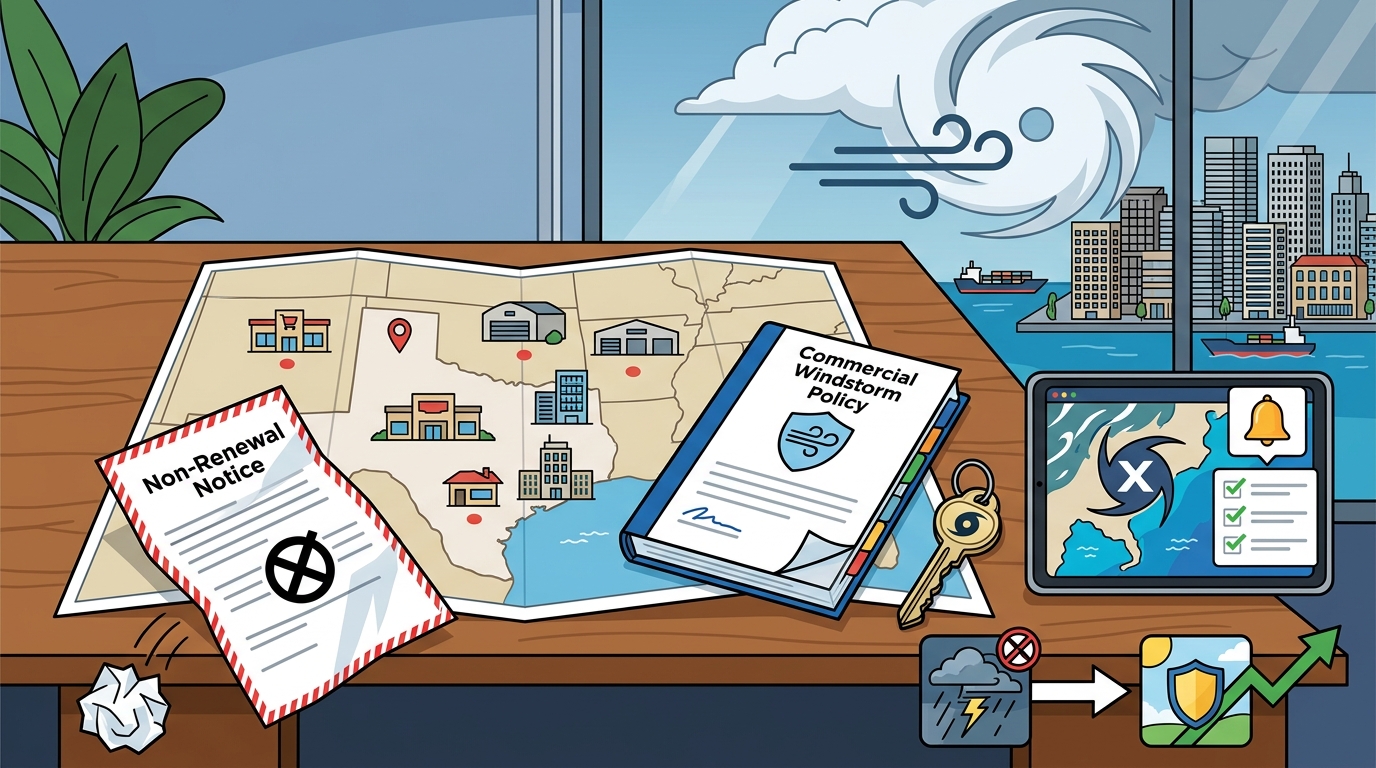
- Act Immediately: Do not wait until the last minute. Start the application process at least 45 days before your current policy expires.
- Check Residual Markets: Determine if your property is eligible for state-backed windstorm funds like TWIA in Texas.
- Verify Building Codes: Ensure your property meets current wind-borne debris and construction standards to qualify for coverage.
- Compare Deductibles: Windstorm deductibles are often percentage-based (e.g., 2-5% of the dwelling coverage limit), not flat dollar amounts.
- Use a Local Expert: Work with an agency that has direct access to specialized carriers willing to write in high-risk zones.
- Review Exclusions: Carefully read policy exclusions for flood, which is typically separate from windstorm coverage.
- Mitigate Risk: Invest in storm shutters or reinforced roofing to potentially lower premiums and improve insurability.
Frequently Asked Questions
How long does it take to get windstorm coverage after non-renewal?
Processing times vary by carrier, but specialized carriers can often issue a binder within 5 to 10 business days. Residual market funds may take longer, up to 30 days, due to underwriting reviews.
Can I get windstorm coverage if my property is in a flood zone?
Yes, but windstorm and flood coverage are typically separate policies. You will need to secure flood insurance through the National Flood Insurance Program (NFIP) or a private flood insurer in addition to your windstorm policy.
What is a windstorm deductible?
A windstorm deductible is a percentage of your policy's dwelling coverage limit that you must pay out-of-pocket before insurance kicks in. It is distinct from your standard property deductible and is usually higher.
Do I need a new inspection for windstorm coverage?
Many specialized carriers require a recent roof inspection or wind mitigation inspection to verify the property's condition. This helps them assess the risk and determine your premium accurately.
What happens if I cannot find a private carrier?
If no private carrier is willing to write the policy, you may need to rely on the residual market fund. This ensures you still have coverage, though it may come with higher costs and stricter requirements.
Is windstorm coverage mandatory for commercial properties?
While not always legally mandatory, most commercial lenders require windstorm coverage for properties in high-risk areas. Lenders will not finance a property without adequate protection against catastrophic loss.
How can I lower my windstorm premium?
You can lower premiums by installing storm shutters, reinforcing your roof, and meeting current building codes. Some carriers offer discounts for these mitigation measures.
Secure Your Coverage
Do not let a non-renewal notice leave your business exposed. The window to secure new coverage is narrow, and the right partner can make the difference between a smooth transition and a coverage gap. Contact Private Windstorm today to schedule a consultation. Our team specializes in navigating the complexities of windstorm insurance for commercial properties in Texas and beyond. We will help you find the best available rates and coverage options tailored to your specific needs.