
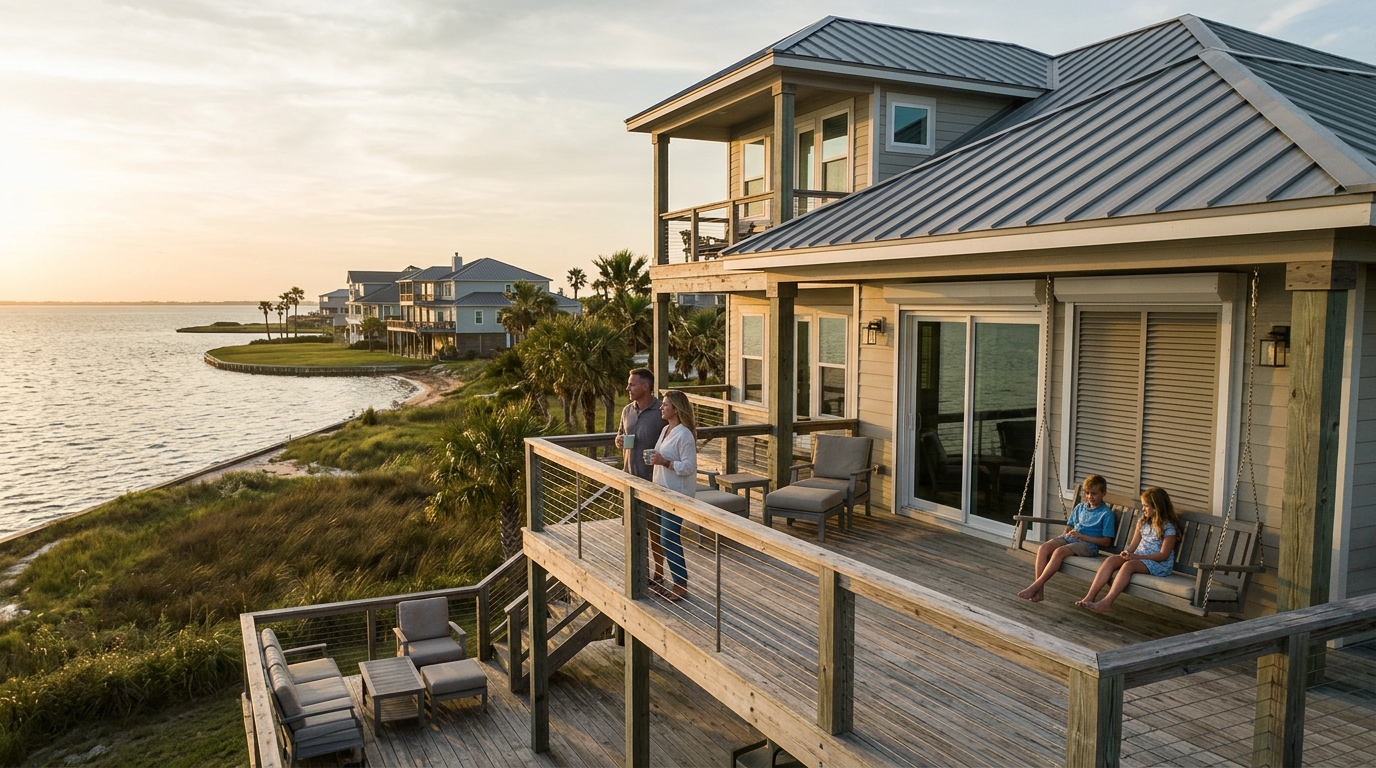
Living on the Texas Gulf Coast offers unparalleled beauty, but it also exposes homeowners to significant weather risks. Windstorm insurance is not a standard component of most basic homeowners policies in high-risk zones. Instead, it is a specialized coverage layer that protects your property against damage caused by high winds, hail, and associated storms. Understanding how premiums are calculated is essential for budgeting and securing adequate protection. This guide details the specific variables that drive costs for standalone windstorm protection in coastal regions.
Construction Details and Materials
The physical structure of your home is the primary determinant of your insurance risk profile. Insurers analyze the building materials, foundation type, and overall structural integrity to estimate potential damage costs. Construction type is defined as the classification of materials used in the frame, walls, and roof of a dwelling.
Wood-frame homes generally carry lower premiums than masonry or concrete structures in some contexts, but this varies by region. In coastal Texas, the durability of the exterior against wind-borne debris is critical. Homes built with impact-resistant windows and reinforced garage doors present a lower risk of interior water intrusion and structural failure. Consequently, these features often lead to more favorable premium calculations. The age of the home also plays a role. Older homes may require more frequent maintenance and may not meet current building codes, which can increase the perceived risk for insurers.
For a deeper understanding of how structural integrity affects claims, you can review our insurance insights on property resilience.
Roofing System and Age
Your roof is the first line of defense against wind and hail. The condition, age, and material of your roofing system are heavily scrutinized during the underwriting process. Roof certification is a formal inspection report that verifies the roof is in good condition and has a remaining useful life of at least five years.
Many insurance carriers in Texas require a roof certification for homes with roofs older than three to five years. If your roof fails this inspection, you may be required to replace it before coverage can be issued, or you may face significantly higher premiums. Asphalt shingles are common, but their wind resistance varies by grade. Architectural shingles generally offer better wind ratings than basic 3-tab shingles. Metal roofing and concrete tiles often provide superior wind resistance and may qualify for lower premiums due to their durability. The connection between the roof and the home's frame is also critical. Proper nailing patterns and adhesive strips can prevent the roof from lifting during high winds.
Learn more about our windstorm insurance options designed for various roof types.
Location and Elevation Risk
Geography dictates the baseline risk level for any property. Coastal areas are subject to higher wind speeds and greater exposure to storm surges. Flood zone designation is a federal classification that indicates the likelihood of flooding in a specific area, determined by the Federal Emergency Management Agency (FEMA).
While windstorm insurance covers wind damage, it does not cover flood damage. However, the location's proximity to the water influences the windstorm premium because storm surges often accompany high winds. Homes in Galveston County and other coastal Texas communities are evaluated based on their distance from the shoreline and their elevation. Properties located on higher ground or on stilts may face lower windstorm risks compared to those at sea level. The specific neighborhood's history of claims also impacts pricing. Areas with a high frequency of past wind claims will generally have higher base rates.
For detailed information on regional risks, please visit our about our agency page where we discuss our local expertise.
Coverage Limits and Deductibles
The financial terms of your policy directly influence the premium cost. Choosing higher coverage limits will increase your premium, while opting for a higher deductible will lower it. Deductible is the amount you pay out of pocket before your insurance coverage begins for a claim.
In windstorm policies, deductibles are often calculated as a percentage of the dwelling coverage limit rather than a flat dollar amount. For example, a 2% deductible on a $300,000 home would require you to pay $6,000 before coverage kicks in. A higher percentage deductible, such as 4% or 5%, can significantly reduce your annual premium. However, you must ensure you have the financial reserves to cover that deductible in the event of a major storm. It is crucial to balance affordability with adequate protection. Underinsuring your home to save on premiums can lead to severe financial hardship if a total loss occurs.
We offer home insurance quotes that allow you to adjust these variables to find the right balance for your budget.
Mitigation Features and Discounts
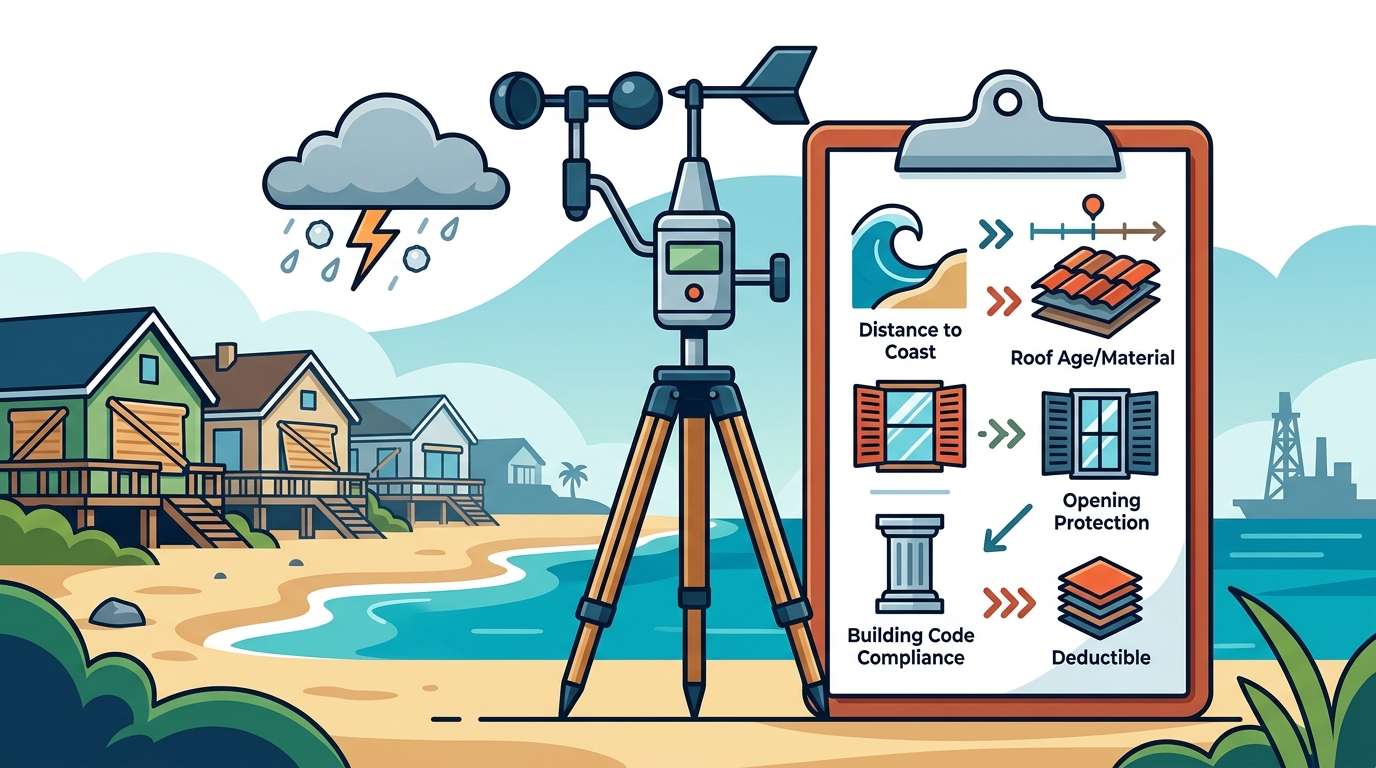
Insurance companies reward homeowners who take proactive steps to reduce risk. Installing mitigation features can lead to substantial premium discounts. Wind mitigation refers to construction techniques and materials designed to reduce wind damage to a structure.
Common mitigation features include hurricane clips that secure the roof trusses to the walls, reinforced garage door bracing, and impact-resistant glazing. In Texas, homeowners can complete a Wind Mitigation Inspection to document these features. The resulting report is shared with insurers to determine eligibility for discounts. Some carriers offer specific discounts for homes built after certain building code updates, such as the 2000 or 2002 Texas Building Code. These codes introduced stricter requirements for wind resistance in coastal zones. By investing in these upgrades, you not only protect your home but also lower your long-term insurance costs.
Explore our online services to manage your policy and access discount information.
Policy Comparison Overview
Understanding the differences between coverage types is vital for coastal homeowners. The table below summarizes the key distinctions between standard homeowners policies and specialized windstorm coverage.
| Feature | Standard Homeowners Policy | Standalone Windstorm Policy | Flood Insurance Policy |
|---|---|---|---|
| Wind Damage Coverage | Often excluded in coastal zones | Primary coverage for wind/hail | Excluded |
| Flood Damage Coverage | Excluded | Excluded | Primary coverage for water intrusion |
| Deductible Structure | Flat dollar amount | Percentage of dwelling value | Flat dollar amount |
| Eligibility | Widely available | Restricted to high-risk zones | Required in Special Flood Hazard Areas |
| Provider | Private Carriers | Private Carriers or Texas Windpool | Federal NFIP or Private Market |
For more details on our flood insurance offerings, please contact our team.
Key Takeaways
- Roof Age is Critical: Homes with roofs older than three to five years often require a roof certification to secure coverage.
- Deductibles are Percentage-Based: Windstorm deductibles are typically a percentage of your home's insured value, not a flat fee.
- Location Dictates Risk: Proximity to the coast and elevation significantly impact premium rates in Texas Gulf Coast communities.
- Mitigation Saves Money: Installing hurricane clips and impact-resistant windows can qualify you for premium discounts.
- Separate Policies are Common: Standard homeowners policies often exclude windstorm coverage in high-risk coastal areas.
- Building Codes Matter: Homes built after 2000 may benefit from lower rates due to stricter wind resistance requirements.
- Local Expertise Helps: Working with a local agency like Brad Spurgeon Insurance Agency ensures you understand regional nuances.
Frequently Asked Questions
What is the difference between windstorm and flood insurance?
Windstorm insurance covers damage caused by high winds and hail, such as roof damage or broken windows. Flood insurance covers damage from rising water, including storm surges and heavy rainfall that overflows onto the property. These are separate coverages and both are often needed in coastal areas.
How is the windstorm deductible calculated?
The windstorm deductible is usually a percentage of the dwelling coverage limit. For example, if your home is insured for $400,000 and you have a 2% deductible, you would pay $8,000 out of pocket before the insurance pays for the claim.
Do I need windstorm insurance if I live in Texas City?
Yes, most standard homeowners policies exclude windstorm coverage in coastal Texas. You need a separate windstorm policy or a policy that includes windstorm coverage to protect your home against wind and hail damage.
Can I get windstorm insurance for an older home?
Yes, but you may need a roof certification. If your roof is older than a certain age, typically three to five years, insurers may require an inspection to verify its condition before issuing a policy.
What is the Texas Windpool?
The Texas Windpool is a state-backed insurance pool that provides windstorm coverage to homeowners who cannot find coverage in the private market. It serves as a last resort for high-risk properties.
How can I lower my windstorm premium?
You can lower your premium by increasing your deductible, installing mitigation features like hurricane clips, and maintaining a strong credit score. Regular policy reviews with an agent can also help identify discounts.
Does home insurance cover wind damage to trees?
Most policies cover wind damage to trees, but there are usually limits on the amount payable per tree and in total. Check your specific policy details for these limits.
Secure Your Coverage Today
Protecting your home from the unique risks of the Texas Gulf Coast requires expert guidance. Brad Spurgeon Insurance Agency has served Texas City and surrounding communities since 1986. We specialize in helping homeowners navigate the complexities of windstorm and flood insurance. Our team provides personalized consultations to ensure you have the right coverage at the right price. Do not wait until after a storm to secure your protection. Contact us today to get a free quote and peace of mind.